Understanding Marijuana: cannabinoids, effects, and strains
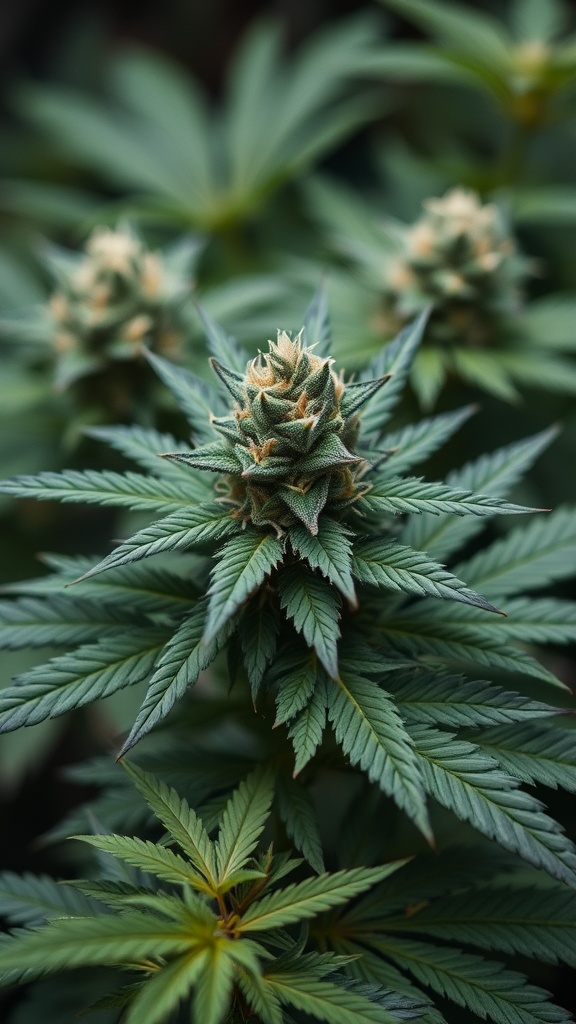
Marijuana — often called cannabis — contains dozens of active compounds called cannabinoids, with THC and CBD being the most well known. THC produces the characteristic psychoactive effects, while CBD is non-intoxicating and prized for calming and anti-inflammatory properties. Popular strain labels like indica, sativa, and hybrid are still used to describe typical effects, but research shows chemical profiles (cannabinoid and terpene content) are more reliable predictors of how a product feels.
Medical vs recreational use
Medical marijuana is used to manage symptoms such as chronic pain, nausea from chemotherapy, multiple sclerosis spasticity, and some seizure disorders. Recreational use focuses on mood, relaxation, creativity, or social enjoyment.
Many people find therapeutic benefits with lower-THC, higher-CBD products, especially when avoiding intoxication is important.
Consumption methods and what to expect
– Smoking: Fast onset, short-to-moderate duration. Effects are felt within minutes.
– Vaping: Similar onset to smoking but depends on device quality.
Beware of unregulated cartridges and additives.
– Edibles: Delayed onset and longer duration. Dosing is less predictable — start low and wait at least two hours before re-dosing.
– Tinctures and sublinguals: Faster onset than edibles and easier to dose than smoking.
– Topicals: Non-intoxicating and used for local pain or inflammation.
Safety and responsible use
Start low and go slow, especially with edibles and new products. Potency varies dramatically between items; lab-tested products list THC and CBD levels for more predictable experiences.
Avoid combining cannabis with alcohol, sedatives, or high doses of benzodiazepines, which can amplify impairment.
If pregnant, trying to become pregnant, or breastfeeding, cannabis use is not recommended due to potential risks to fetal and infant development.
Mental health and young people
Cannabis can exacerbate anxiety, depression, or psychotic symptoms in susceptible individuals. Adolescents and young adults are more vulnerable to cognitive and developmental impacts because the brain is still maturing, so delaying initiation is safer.
Drug interactions and health considerations
CBD and THC can affect liver enzymes (CYP450), altering the levels of certain medications including blood thinners and anticonvulsants. Discuss cannabis use with healthcare providers, especially when taking prescription drugs. Chronic heavy use may lead to dependence; withdrawal symptoms can include irritability, sleep problems, and decreased appetite.
Legal and workplace considerations
Laws around possession, purchase, and use vary widely.
Even where legal for recreational use, there are restrictions on public consumption, purchase limits, and home cultivation. Workplace drug testing commonly screens for THC metabolites, which can remain detectable for days to weeks depending on frequency of use and body fat.
Driving under the influence of cannabis is unsafe and illegal in many places; impairment can occur even when tolerance is present.
Choosing products wisely
Look for products from reputable dispensaries with third-party lab testing for potency and contaminants (pesticides, solvents, heavy metals).
Seek clear labeling and avoid unregulated sources.
If using cannabis for symptom relief, consider starting with a clinician-informed plan and experimenting with low doses of CBD-forward products if avoiding intoxication is a priority.
Final note
Marijuana use offers benefits for many people but is not risk-free. Being informed about product chemistry, dosing, legal rules, and health interactions helps create safer, more predictable experiences.
When in doubt, consult a medical professional and opt for lab-tested products from regulated sources.