Marijuana Edibles: How to Use Them Safely and Get the Effects You Want
Edibles remain one of the most popular ways to consume marijuana because they’re discreet, long-lasting, and often more convenient than smoking.
But they work differently than inhaled cannabis, and misunderstanding dosing or timing is a common source of unpleasant experiences. This guide explains how edibles work, how to dose responsibly, and what safety precautions to take.
How edibles differ from smoking
When you eat a cannabis-infused product, the active compounds—primarily THC and CBD—are absorbed through the digestive tract and metabolized in the liver. That process converts THC into a more potent metabolite for many people, which can produce stronger and longer-lasting effects compared with inhalation.
Onset is much slower: it can take anywhere from 30 minutes to several hours to feel the peak, and effects can last many hours after that.
Dosing basics
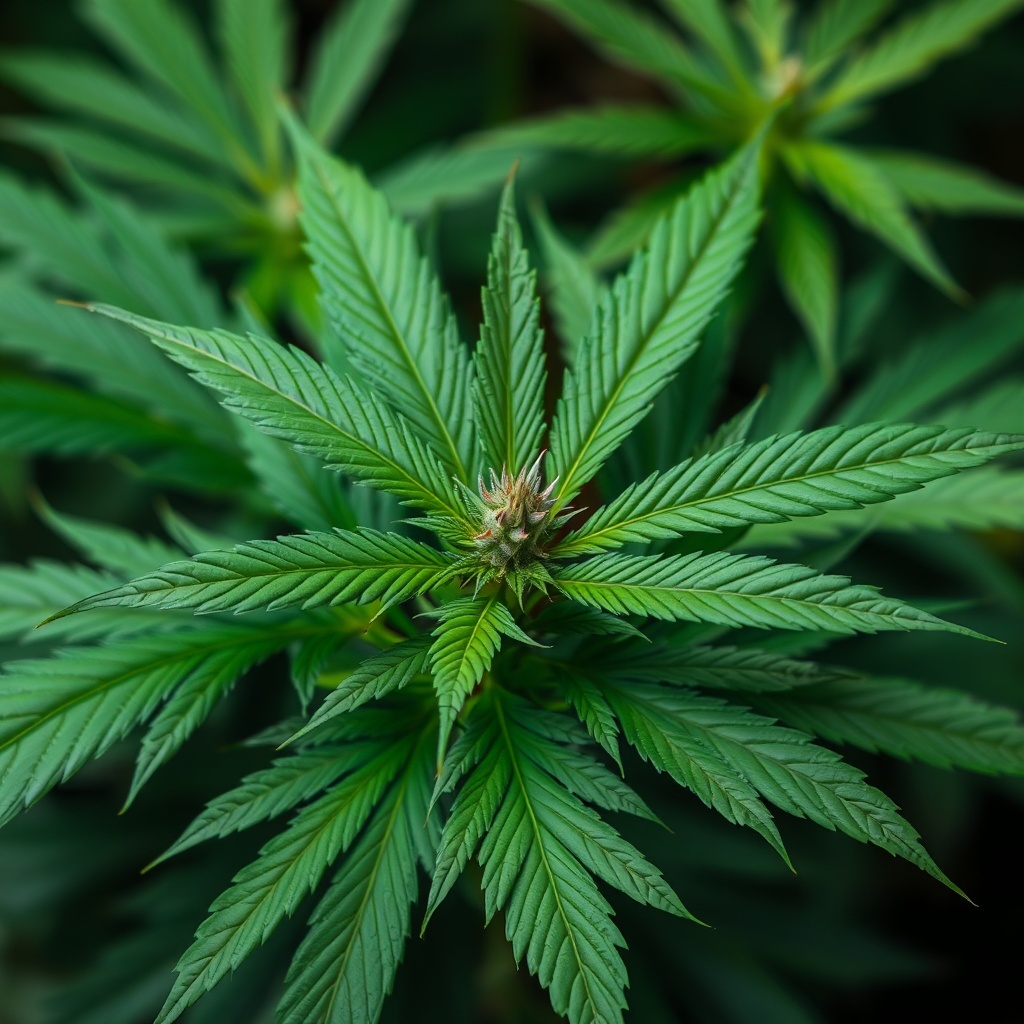
Edible potency is measured in milligrams (mg) of THC.
Common guidance for dosing:
– Starter dose: 2.5–5 mg THC is appropriate for most people trying edibles for the first time or those with low tolerance.
– Low-moderate dose: 5–10 mg THC may be comfortable for occasional users.
– Experienced users: 10–20+ mg THC can produce strong effects and should only be used by those familiar with edibles.
Always check the product label and cumulative dose.
If you prepare homemade edibles, calculating mg per serving requires knowing the total THC in the starting material and dividing by the number of servings.
Timing and patience
Because onset can be delayed, resist the urge to “top up” too soon. Wait at least two hours before considering another dose; for some people, a full effect can take longer. Overconsumption can lead to intense anxiety, nausea, and disorientation, but symptoms are temporary and subside as the body metabolizes the compounds.
Safety and interactions
– Avoid mixing edibles with alcohol or sedatives; combinations can amplify impairment and nausea.
– Consult a healthcare provider before using marijuana if you’re taking medications metabolized by the liver (CYP450 enzymes), or if you have cardiovascular issues, severe mental health conditions, or are pregnant or breastfeeding.
– Be cautious if you have a personal or family history of psychosis—high-THC products can increase risk for susceptible individuals.
Storage and child safety
Store edibles in childproof containers out of sight and reach. Treat them like any other medication: locked storage, clear labeling, and separate from regular snacks. Keep pets away—many edibles contain xylitol, chocolate, or THC, all of which can be dangerous to animals.
Choosing products
Buy from licensed retailers when possible. Look for lab-tested products with certificates of analysis that show potency and absence of contaminants like pesticides, solvents, and heavy metals. Clear labeling should list THC and CBD amounts per serving and per package.
Practical tips for a better experience
– Start with low doses in a comfortable, familiar setting.
– Have water and a light snack available; sometimes nausea occurs.
– Avoid driving or operating heavy machinery for many hours after consumption.
– If you feel anxious after taking an edible, find a calm environment, practice deep breathing, and remember the effects will pass. Black pepper or CBD may help some people feel more grounded.
Edibles offer a convenient and potent way to use marijuana, but their delayed onset and prolonged effects require a cautious approach. With sensible dosing, proper storage, and attention to interactions and setting, users can reduce risks and enhance the chances of a positive experience.