CBD oil has moved from niche supplement to mainstream wellness staple, but packing the right bottle and using it well takes some informed choices. Here’s an approachable guide to what CBD oil is, how it works, and how to pick a high-quality product.
What CBD oil is and how it works
CBD (cannabidiol) is a non-intoxicating cannabinoid found in hemp and cannabis plants.
It interacts with the body’s endocannabinoid system, which helps regulate sleep, mood, immune response, and pain perception.
Research is evolving, and while people report benefits for stress, sleep, and discomfort, clinical evidence varies by condition. A small number of prescription medications based on CBD have regulatory approval for specific seizure disorders, but over-the-counter CBD products are not approved to treat disease.
Types of CBD oil
– Full-spectrum: Contains CBD plus other cannabinoids and terpenes, including trace amounts of THC. Users seek the “entourage effect,” where compounds work together to enhance potential effects.
– Broad-spectrum: Includes multiple cannabinoids and terpenes but removes THC, appealing to those who want the entourage effect without THC exposure.
– CBD isolate: Pure CBD with no other cannabinoids or terpenes; useful when avoiding other compounds.
Extraction and carrier oils
CO2 extraction is widely regarded as the cleanest, most efficient method to preserve cannabinoids and terpenes. Avoid products that don’t disclose extraction methods.
Carrier oils like MCT (fractionated coconut oil) or hemp seed oil are common; they dilute CBD and improve absorption.
Bioavailability and routes of use
How you take CBD affects how much reaches your bloodstream:
– Inhalation (vaping): Fast onset and high bioavailability but requires careful product selection and awareness of lung risks with some additives.
– Sublingual (tinctures): Placing oil under the tongue allows for moderate bioavailability and quicker onset than edibles.
– Oral (capsules, edibles): Convenient and discreet; onset is slower and bioavailability is lower due to digestion.
– Topical: Applied to skin for localized relief; systemic absorption is generally low.
Dosage basics
There’s no universal dose.
A practical approach is “start low and go slow.” Many people begin with a low dose (for example, 5–10 mg) and gradually increase over days to weeks until they notice effects. Factors that influence dose include body weight, metabolism, product concentration, and desired outcome. Keep a dosing log to track response.
Safety, interactions, and side effects
CBD is generally well tolerated, but it can cause drowsiness, dry mouth, or gastrointestinal upset in some people.
Important: CBD can interact with certain medications by affecting liver enzymes (CYP450 system), which may alter levels of drugs like blood thinners. Always consult a healthcare provider before starting CBD if you take prescription medications or have liver concerns.
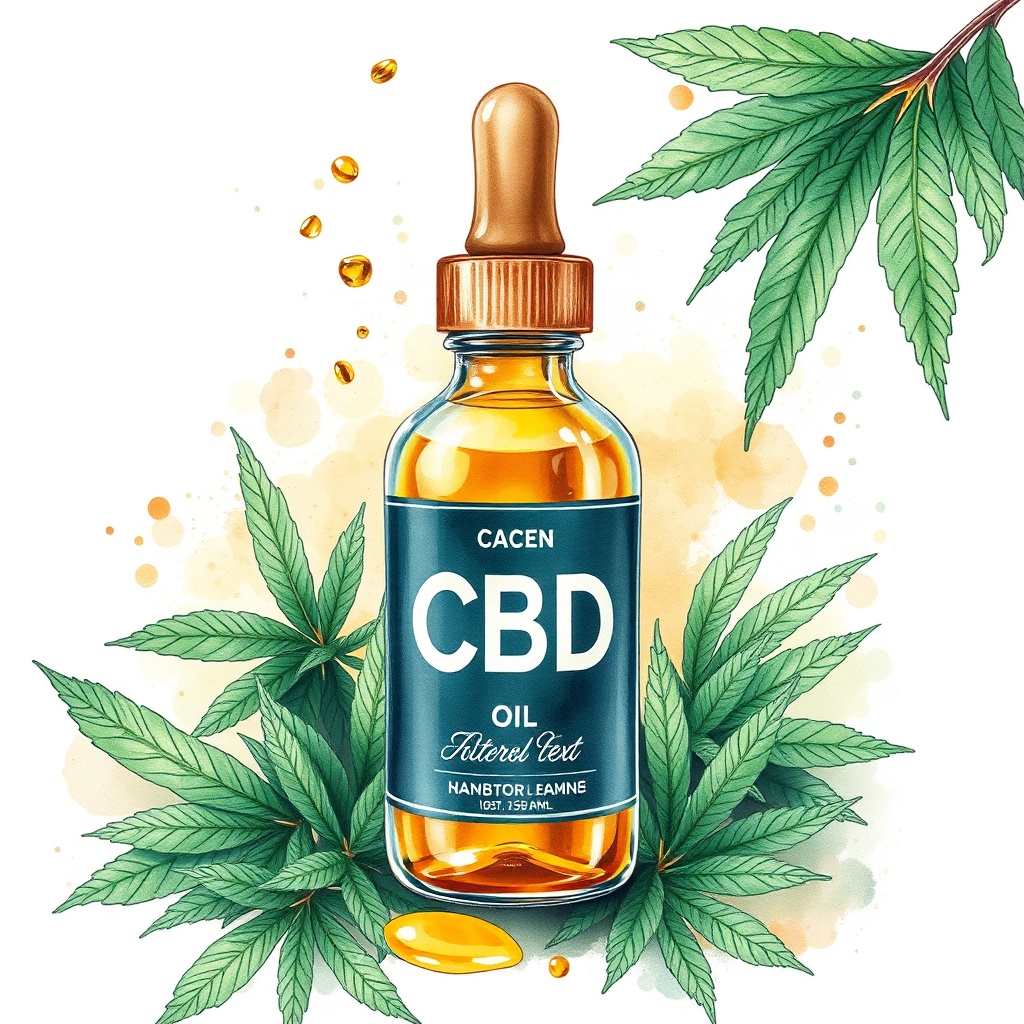
Choosing a high-quality product
– Third-party lab reports (Certificates of Analysis) should verify CBD potency and screen for pesticides, heavy metals, residual solvents, and microbial contaminants.
– Check the cannabinoid profile to confirm full-spectrum, broad-spectrum, or isolate status and the THC level if that matters.
– Look for transparent labeling, clear dosing information, and reputable manufacturing practices.
– Consider customer reviews and company return policies.
Storage and shelf life
Store CBD oil in a cool, dark place and keep the cap tightly closed. Proper storage preserves potency and flavor.
Regulation and legality
Laws vary by location. Hemp-derived CBD products with very low THC are federally legal in some jurisdictions, but local rules differ.
Verify legal status where you live before purchasing.
CBD oil can be a useful tool for wellness when chosen and used thoughtfully. For personalized guidance, especially when on medications or managing health conditions, consult a medical professional.