Marijuana continues to reshape health, commerce, and culture as public attitudes shift and new products hit the market. Whether you’re curious about medical uses, considering recreational consumption, or responsible for policy or workplace safety, understanding the key facts and harm-reduction practices helps make smarter decisions.
What marijuana is and how it works
Marijuana (cannabis) contains hundreds of compounds called cannabinoids.
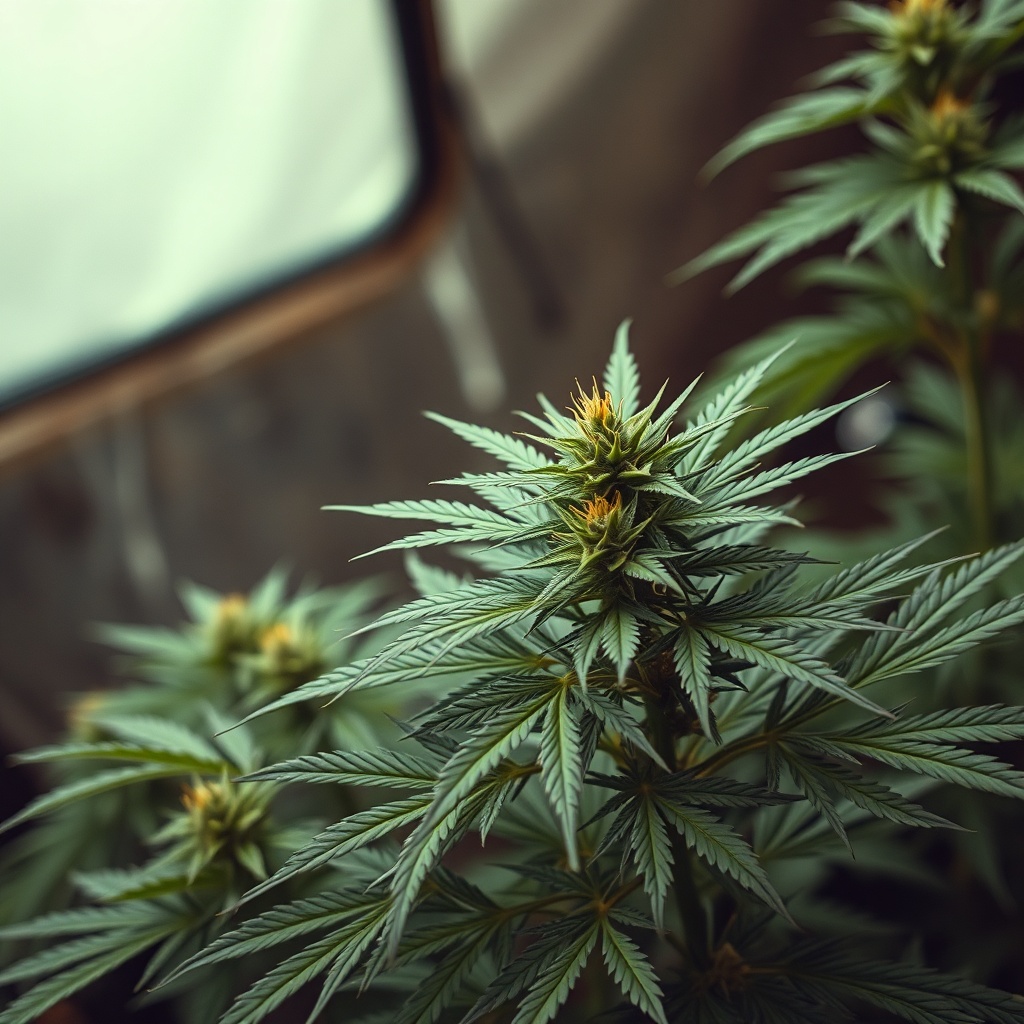
The two most familiar are THC, which produces psychoactive effects, and CBD, which is non-intoxicating and commonly used for symptom relief. Cannabinoids interact with the body’s endocannabinoid system, influencing mood, pain, appetite, sleep, and inflammation. Newer products increasingly highlight minor cannabinoids and terpenes, which may modulate effects.
Medical uses and evidence
Evidence supports cannabis for several medical indications such as chronic pain, some types of spasticity, and nausea related to certain treatments. CBD is widely used for anxiety, insomnia, and some seizure disorders. Clinical recommendations emphasize individualized treatment: effectiveness depends on cannabinoid ratios, dosing, and delivery method.
If considering cannabis for a health condition, discuss it with a healthcare provider—especially when other medications are involved—because of potential interactions.
Consumption methods and considerations
– Smoking: Fast onset but delivers combustion byproducts. Long-term respiratory risks warrant caution.
– Vaping: Provides quick effects with less smoke, but use lab-tested cartridges and avoid unregulated products linked to lung injury.
– Edibles: Strong, delayed, and longer-lasting effects. Start with a low dose and allow plenty of time before consuming more.
– Tinctures and sublinguals: Faster than edibles and easier to titrate.
– Topicals: Useful for localized pain or inflammation without psychoactive effects.
Dosing and harm reduction
“Start low, go slow” remains the safest approach—begin with a low dose and wait to assess effects before increasing. For THC, novice users should begin with very small amounts; for edibles, wait at least two hours before taking more. Be mindful of tolerance and avoid mixing cannabis with alcohol or sedatives.
Keep products out of reach of children and pets, and label homemade items clearly.
Product quality and safety
Choose products from reputable sources that provide third-party lab testing for potency and contaminants (pesticides, heavy metals, solvents). Packaged products should list cannabinoid content and serving size. Beware of unregulated or illicit products, which have been associated with contamination and unpredictable potency.
Legal and workplace implications
Laws and regulations vary by jurisdiction. Even where cannabis is permitted, restrictions often apply for public consumption, possession limits, and home cultivation.
Employers may maintain drug-free workplace policies and conduct testing—understand workplace rules and your legal obligations. Driving under the influence of cannabis is unsafe and often illegal; impairment can persist long after intoxication.
Special populations and cautions
Pregnant or breastfeeding people should avoid cannabis use due to potential risks to fetal and infant development. Older adults and people with cardiovascular or psychiatric conditions should consult clinicians before using cannabis. Be particularly cautious when combining cannabis with prescription medications.
Choosing the right product
Match consumption method and cannabinoid profile to goals: low-THC, higher-CBD formulations for anxiety or daytime symptom control; balanced or THC-predominant products for sleep or stronger symptom relief. Seek products with clear labeling and transparent lab reports.
Practical tips
– Check local laws before buying or using cannabis
– Use lab-tested products from licensed retailers
– Store securely and label edibles clearly
– Avoid driving or operating heavy machinery when impaired
– Talk to a healthcare provider about interactions with other medications
With thoughtful use and attention to quality and safety, marijuana can be part of a balanced approach to recreational or therapeutic needs.
Keep informed about product changes and regulation in your area to make safe, effective choices.