Navigating Cannabis: Safe Use, Product Trends, and What Consumers Should Know
Cannabis is evolving from a niche wellness category into a mainstream part of many people’s routines. Whether exploring cannabinoids for symptom relief or trying new consumption formats, knowing how products work, how to dose safely, and what to look for on labels makes every purchase smarter and safer.
Understanding Cannabinoids: THC vs CBD
THC is the psychoactive compound responsible for the “high,” while CBD is non-intoxicating and sought for potential calming and anti-inflammatory effects. Many products blend cannabinoids to produce an “entourage effect,” where cannabinoids and terpenes interact for a different experience than isolated compounds alone. Choosing a ratio that fits personal goals—recreational, therapeutic, or microdosing—starts with understanding these basic differences.
Choosing Products: What to Look For
Quality varies widely. Prioritize products that provide clear labeling and a readily available Certificate of Analysis (COA) from a third-party lab. A reliable COA reports:
– Cannabinoid potency (THC, CBD and others)
– Terpene profile
– Tests for pesticides, heavy metals, residual solvents, and microbial contaminants
Transparent brands often include batch numbers and QR codes linking to lab results.
Opt for extracts and edibles produced with modern extraction methods (CO2 or solventless techniques) to minimize impurities.
Consumption Methods and Dosing
Different delivery methods produce distinct onset times and durations:
– Inhalation (vaping, smoking): onset in minutes, effects last a few hours.
– Sublingual tinctures: onset within 15–45 minutes, effects last a few hours.
– Edibles: onset can take 30–120 minutes, effects may last several hours and be more intense.
Start low and go slow. For THC, many people begin with a small microdose and increase gradually based on effects and tolerance. Keep dosing notes so adjustments are intentional rather than impulsive.
Terpenes and Personalized Effects
Terpenes are aromatic compounds that influence flavor and may modulate effects.
Myrcene can feel calming, limonene uplifting, and pinene more focused. While terpene research is developing, paying attention to aroma and reported effects helps tailor choices to personal preferences.
Safety, Interactions, and Storage
Cannabis can interact with certain medications, especially those processed by liver enzymes or that depress the central nervous system.
Consult a healthcare professional before combining cannabis with prescription drugs. Avoid driving or operating heavy machinery while impaired.
Store cannabis products in a cool, dark, childproof container away from pets. Proper storage preserves potency and reduces the risk of accidental ingestion by children or animals.
Legal and Ethical Considerations
The legal status and regulatory requirements for cannabis products differ by location. Understand local rules governing possession, purchase, and transport. When buying, consider brands that emphasize sustainable cultivation, fair labor practices, and minimal packaging to support environmental and social responsibility.
Where to Start
If new to cannabis, begin with a low-potency product, seek lab-tested options, and experiment with a single variable at a time—product type, dose, or strain—so effects are easy to assess.
For therapeutic use, discuss goals and possible interactions with a qualified clinician.
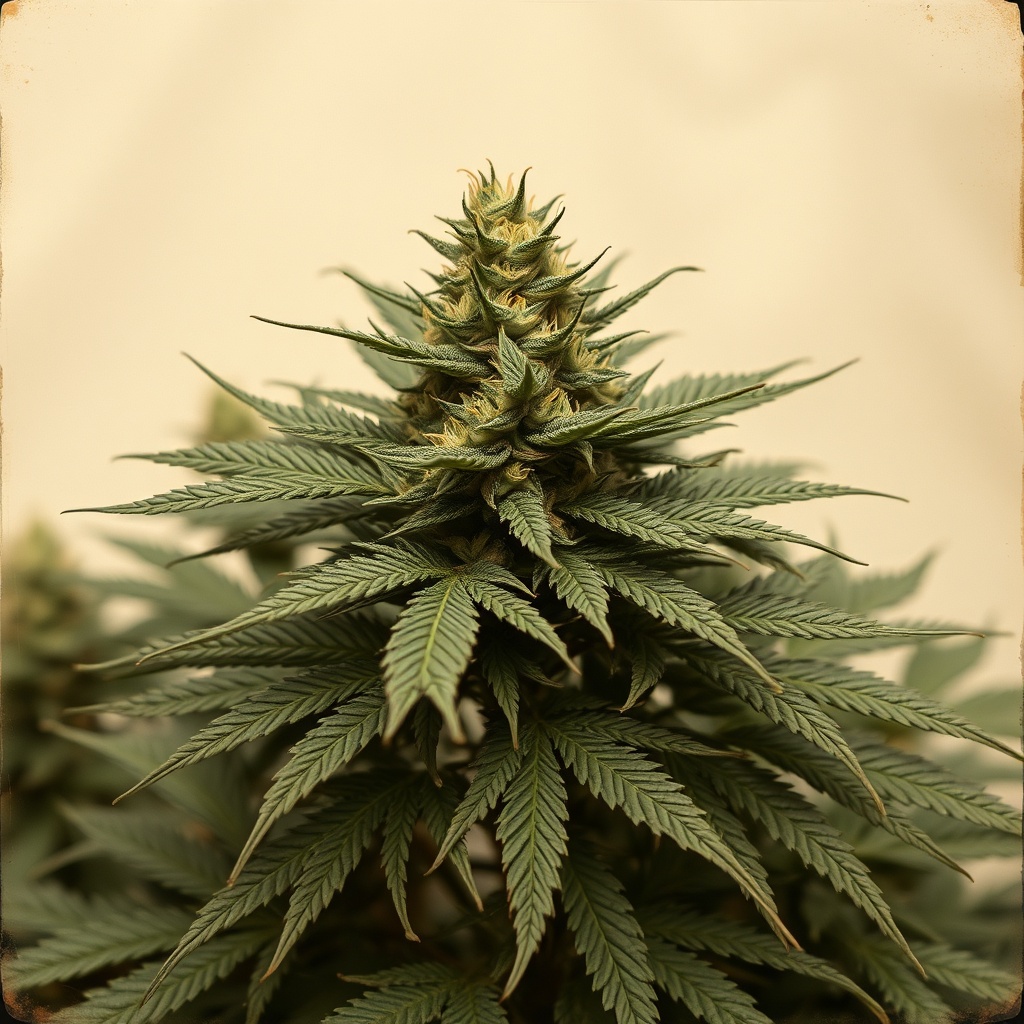
By focusing on transparency, dosing discipline, and safety, consumers can navigate the expanding cannabis market with confidence and find products that meet both wellness and recreational needs.