Cannabis: What Every Consumer Should Know Before Buying and Using
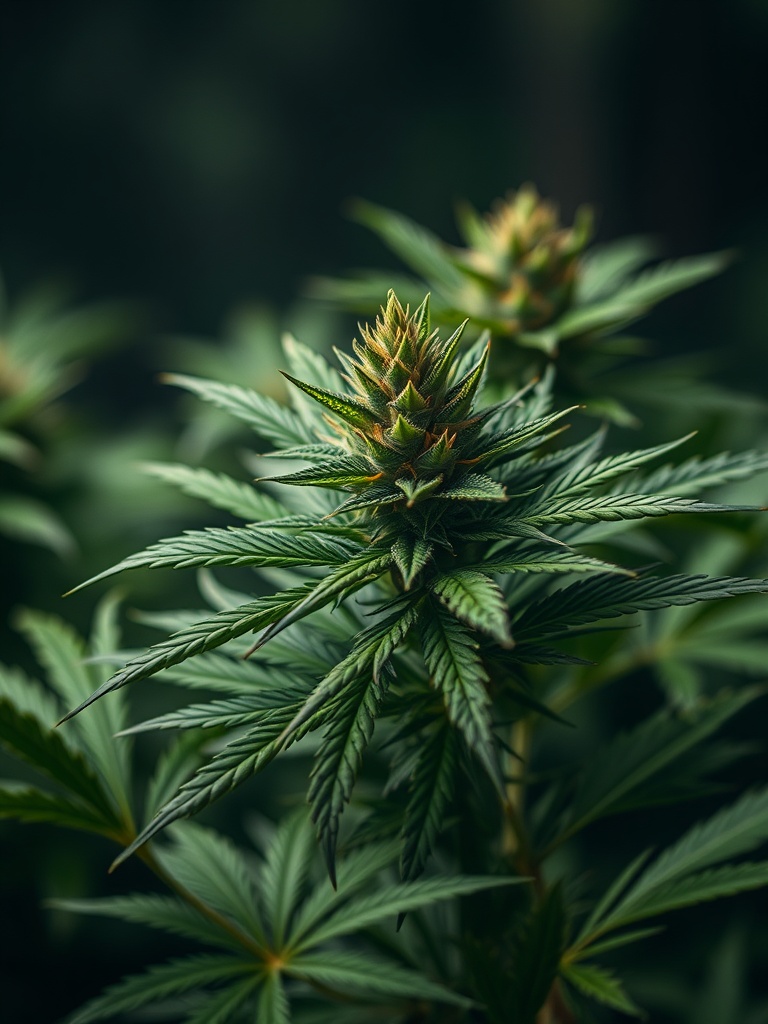
With wider access and faster product innovation, navigating the cannabis market can feel overwhelming.
Whether you’re curious about medical uses, exploring microdosing, or choosing a safer consumption method, understanding the basics helps you get consistent, predictable results.
Know the active components
Cannabis contains hundreds of compounds, but two dominate conversation: THC and CBD.
THC is the primary psychoactive component that produces intoxication; CBD is non-intoxicating and is often used for its calming properties. Beyond these, minor cannabinoids like CBG, CBN, and THCV are gaining attention for unique effects. Terpenes — aromatic molecules such as myrcene, limonene, and linalool — influence aroma and may modulate effects through the “entourage” interaction.
Read lab reports and labels
Reliable products are tested by third-party labs. Look for a Certificate of Analysis (COA) that shows cannabinoid potency, terpene profile, and screening for pesticides, residual solvents, heavy metals, and microbial contaminants.
Labels should list total milligrams of active cannabinoids, recommended serving size, and clear dosing guidance for edibles and concentrates.
If a COA isn’t accessible, consider choosing another brand.
Choose the right delivery method
– Smoking or vaping: Fast onset, controllable dosing, shorter duration. Vaping can be less harsh than smoking, but choose tested cartridges and avoid unregulated additives.
– Edibles: Slower onset and longer duration. Start with low doses and wait ample time before re-dosing to avoid overconsumption.
– Tinctures and sublinguals: Moderate onset and good for precise dosing.
– Topicals: Applied to skin for localized relief without systemic intoxication.
Dosing strategies: start low, go slow
Begin with a low dose, especially if you’re inexperienced or trying a new product. Microdosing — using very small amounts of THC to achieve subtle, functional effects — is popular for managing anxiety, focus, or chronic discomfort without strong intoxication. Keep a consistent log of dose, method, and effect to identify what works for you.
Safety and interactions
Cannabis can interact with medications, especially those metabolized by the liver’s cytochrome P450 system. Check with a healthcare provider if you’re taking prescription meds. Avoid driving or operating heavy machinery after consuming THC. Store products securely and out of reach of children and pets; edibles are especially appealing to pets and can be dangerous.
Regulatory and workplace considerations
Rules vary by location. Even where cannabis is legal for adult use, workplace policies and driving laws may still prohibit impairment.
Keep documentation and be aware of local regulations regarding possession limits and public consumption.
Sustainability and sourcing
Cultivation consumes energy and water. Look for brands that disclose cultivation methods, use integrated pest management, and minimize packaging waste. Choosing greenhouse-grown or sustainably managed indoor-grown products can reduce environmental impact.
Medical uses and evidence
Evidence supports cannabis and certain cannabinoids for conditions like chronic pain, nausea related to some treatments, and specific seizure disorders. Research is ongoing for anxiety, sleep, and other indications. Work with a clinician to weigh potential benefits and monitor effects.
Final tips
Buy from reputable retailers, prioritize lab-tested products, start with low doses, and prioritize safety around driving and interacting medications. With informed choices and careful dosing, many people find cannabis a useful tool for symptom management and wellbeing.