THC remains one of the most talked-about compounds in the cannabis world, and understanding how it works — plus how to use it safely — matters whether you’re curious, a medical patient, or a recreational consumer.
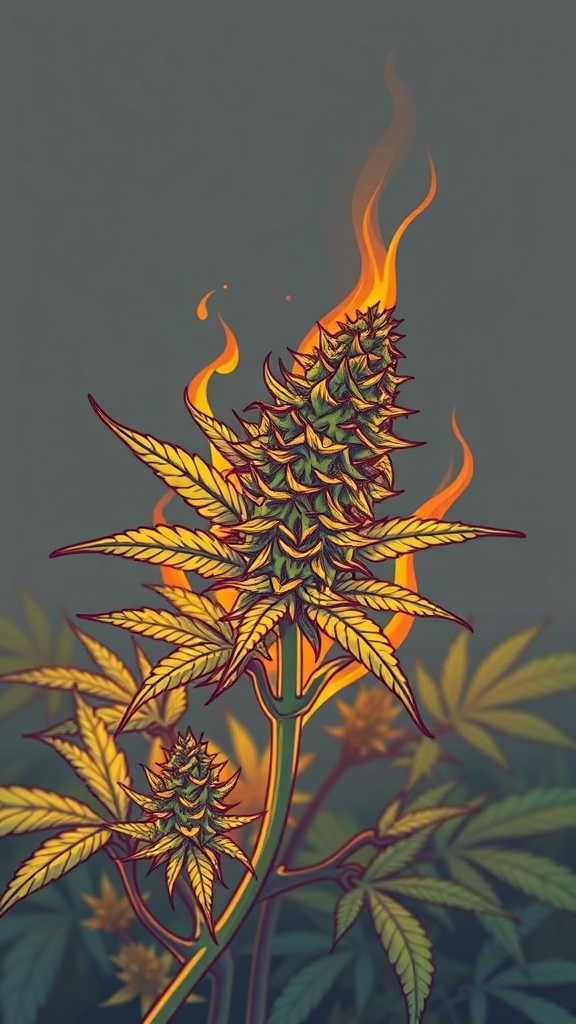
What THC does and how it works
THC (tetrahydrocannabinol) is the primary psychoactive cannabinoid in cannabis. It binds to CB1 receptors in the brain and nervous system, producing effects that range from euphoria and relaxation to altered perception and appetite changes. The overall experience depends on dose, route of administration, product composition, individual tolerance, and the presence of other cannabinoids and terpenes (the so-called entourage effect).
Common consumption methods and what to expect
– Smoking or vaping: Effects are felt almost immediately and peak within minutes. Duration is shorter than edibles, typically wearing off over a few hours.
– Edibles: Onset is delayed — usually between half an hour and a couple of hours — and effects can last much longer. Metabolism in the liver converts THC to 11-hydroxy-THC, a metabolite that can feel more potent for some users.
– Tinctures and sublinguals: Faster onset than edibles but slower than inhalation; they offer precise dosing for incremental adjustment.
– Topicals: Target localized relief without systemic psychoactive effects for most formulations.
– Transdermals and slow-release patches: Provide sustained, controlled dosing for steady symptom relief.
Dosing and microdosing
Start low and go slow. For inexperienced users, begin with a low dose (commonly 1–2.5 mg THC for edibles) and wait long enough to assess effects before increasing. Microdosing — taking very small amounts of THC over time — can deliver therapeutic benefits like reduced anxiety or improved mood without strong intoxication.
Regular users should be aware tolerance builds over time; periodic breaks can restore sensitivity.
Safety, side effects, and drug interactions
Common short-term side effects include dry mouth, red eyes, increased heart rate, dizziness, anxiety, and temporary memory or concentration impairment. High doses can trigger panic or paranoia in sensitive individuals. Long-term heavy use carries risk of dependence for some people and may affect cognition, especially with early and frequent use.
THC is metabolized by liver enzymes and can interact with medications that rely on the same pathways. Blood thinners, certain antidepressants, and sedatives are examples where interactions may be significant. If you’re taking prescription medications, consult a clinician before using THC products.
Choosing safer products
Look for products with a certificate of analysis (COA) from an independent lab confirming cannabinoid potency and testing for contaminants such as pesticides, heavy metals, solvents, and microbial impurities. Full-spectrum products contain multiple cannabinoids and terpenes and may produce different effects than isolated THC. Hemp-derived delta-8 and other THC variants are increasingly available, but regulatory oversight varies and potency/contamination risks can be higher — prioritize lab-tested sources.
Legal and practical considerations
Legal status varies widely by location and can be complicated when hemp-derived cannabinoids are involved. Workplace drug testing usually screens for THC metabolites and can yield positive results even from hemp-derived products. Avoid driving or operating heavy machinery while impaired; THC impairs reaction time and judgment.
Practical tips
– Store products securely and away from children or pets.
– Avoid mixing alcohol and high THC doses.
– Keep a dosing journal to track strains, doses, onset, and effects.
– If using THC medically, coordinate with your healthcare provider to monitor effectiveness and safety.
When used thoughtfully and safely, THC can offer meaningful relief for symptoms like pain, nausea, and insomnia, and provide recreational enjoyment. Prioritizing reputable products, conservative dosing, and awareness of interactions and impairment will help you get the most benefit while minimizing risk.