Choosing the right marijuana product starts with understanding what’s inside the package and how different delivery methods affect onset, intensity, and duration.
With a growing variety of cannabis options available through licensed dispensaries and medical programs, informed choices protect health and improve the overall experience.
Know the cannabinoids: THC vs. CBD
THC (tetrahydrocannabinol) is the primary psychoactive compound that produces the “high.” CBD (cannabidiol) is non-intoxicating and often used for calming effects and symptom management. Many products combine both cannabinoids to create balanced effects. Pay attention to labeled cannabinoid percentages or milligrams per serving so dosing is predictable.
Delivery methods and what to expect
– Flower (smoking or vaporizing): Fast onset—minutes—and effects typically last a few hours.
Vaporizing at proper temperatures can reduce combustion byproducts.
– Edibles: Slow onset—30 minutes to two hours—and effects last much longer. Start with a low dose and wait several hours before consuming more.
– Tinctures and sublinguals: Faster than edibles, slower than inhalation. Useful for microdosing or controlled relief without smoking.
– Concentrates: High potency products like wax, shatter, or oils; intended for experienced consumers. Small amounts deliver strong effects.
– Topicals: Applied to the skin for local relief without systemic intoxication.
Popular for muscle soreness and joint discomfort.
Dosing: Start low, go slow
Begin with a low amount—especially if new to marijuana or trying a new product. For inhalation, a single small inhalation may be sufficient.
For edibles, a typical novice dose is a few milligrams of THC per serving; wait long enough to feel the full effect before increasing. Tolerance, body weight, metabolism, and prior experience all influence response.
Safety first
– Choose lab-tested products: Look for a certificate of analysis (COA) that shows cannabinoid content and confirms the absence of pesticides, solvents, heavy metals, and microbial contaminants.
– Avoid unregulated sources: Purchasing through licensed dispensaries reduces risk from contaminated or mislabelled products.
– Beware of interactions and contraindications: Marijuana can interact with prescription medications and isn’t recommended during pregnancy or breastfeeding. Consult a healthcare provider when in doubt.
– Don’t drive while impaired: Marijuana can impair reaction time and judgment.
Use alternative transportation if consuming products that cause impairment.
– Secure storage: Keep cannabis products out of reach of children and pets, in child-resistant containers, and clearly labeled.
Choosing strains and terpenes
Strain names are less important than cannabinoid and terpene profiles. Terpenes—aromatic compounds like myrcene, limonene, and linalool—contribute to aroma and may modulate effects.
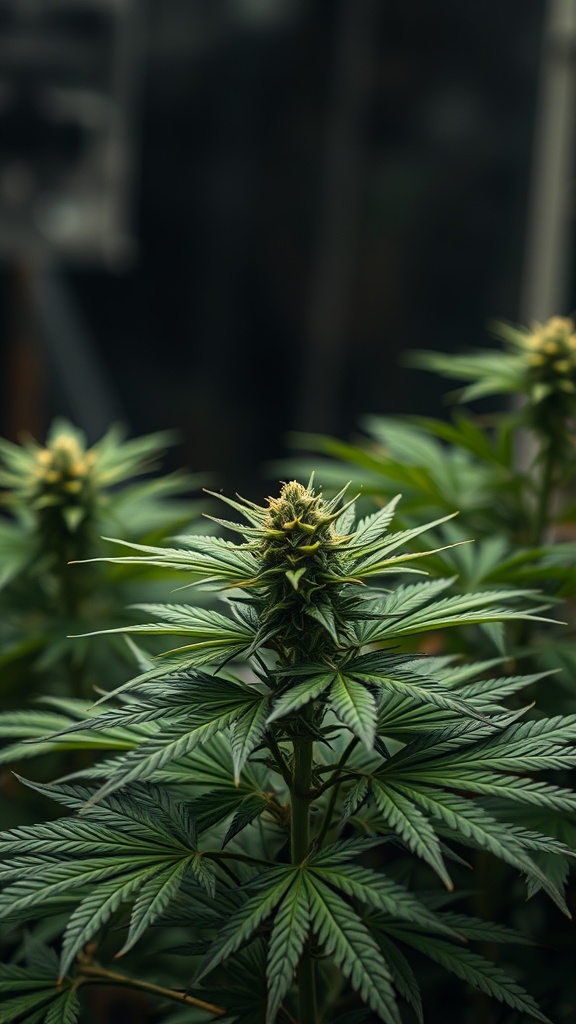
If seeking relaxation, look for profiles with calming terpenes; for focus, look for more uplifting terpenes.
Medical considerations
Some people use marijuana for chronic pain, nausea, muscle spasticity, and certain neurological conditions.
Evidence varies by condition and product type. Discuss potential benefits and risks with a knowledgeable clinician, especially for chronic use or when combining with other medications.
Shopping tips
– Read product labels thoroughly: potency, serving size, and ingredients matter.
– Ask budtenders about lab results and recommended dosing.
– Buy small quantities when trying new formats or brands.
Being an informed consumer leads to safer, more predictable outcomes. Whether for recreational enjoyment or symptom management, prioritizing lab-tested products, conservative dosing, and safe storage delivers better experiences and reduces avoidable risks.