THC: What to Know About Effects, Uses, Risks, and Safe Use
Tetrahydrocannabinol (THC) is the primary psychoactive compound in cannabis responsible for the characteristic “high.” It acts mainly on CB1 receptors in the brain and nervous system, altering perception, mood, memory, and motor function. Understanding how THC works, how it’s consumed, and how to reduce risks helps people make safer choices whether using recreationally or for symptom relief.
How THC affects the body
THC binds to cannabinoid receptors and triggers a cascade of neurological effects. Common short-term effects include euphoria, relaxation, altered time perception, increased appetite, and heightened sensory awareness. Side effects can include anxiety, paranoia, dry mouth, dizziness, and impaired coordination. In people with predispositions, high doses of THC can sometimes trigger acute psychotic episodes.
Routes of administration and onset
– Inhalation (smoking, vaping): Effects are felt rapidly—usually within minutes—and peak quickly, making dosing easier to titrate. Effects typically wear off within a few hours.
– Oral (edibles, capsules): Onset is delayed because THC is metabolized in the liver to 11-hydroxy-THC, a metabolite that can be more potent and longer-lasting. This delay increases the risk of accidental overconsumption.
– Sublingual (tinctures): Faster onset than edibles and more controlled dosing.
– Topicals: Applied to skin for localized relief; these products usually do not produce psychoactive effects.
Therapeutic uses and evidence
THC is used for symptom management in a range of conditions where evidence supports benefit, including certain types of chronic pain, chemotherapy-induced nausea and vomiting, appetite loss, and spasticity associated with neurological conditions. Quality, regulation, and clinical guidance vary—discussing options with a healthcare professional helps align treatment goals with the most appropriate cannabis-based approach.
Dosing and harm reduction
– Start low, go slow: Especially with edibles, begin with a small dose and wait several hours before taking more.
– Know potency: Products vary widely in THC content; concentrates and extracts can be far stronger than flower.
– Avoid mixing: Combining THC with alcohol, sedatives, or certain medications can amplify impairment and risk.
– Don’t drive or operate machinery while impaired.
– Store securely: Keep all cannabis products out of reach of children and pets; accidental ingestion can be dangerous.
Safety, dependence, and mental health
Regular heavy THC use can lead to tolerance and a withdrawal syndrome characterized by irritability, sleep disturbance, and reduced appetite.
People with a personal or family history of psychotic disorders should avoid high-THC products when possible, as they may elevate risk. Cardiac effects such as increased heart rate are common shortly after use and may pose a concern for people with certain heart conditions.
Drug interactions and testing
THC is metabolized by liver enzymes (notably CYP2C9 and CYP3A4).
Certain medications can alter THC metabolism, potentially increasing effects or side effects. THC and its metabolites can be detected in blood, urine, and hair; detection windows vary with frequency of use, body fat, and testing method. Positive workplace tests remain a practical concern for many users.
Market trends and quality control
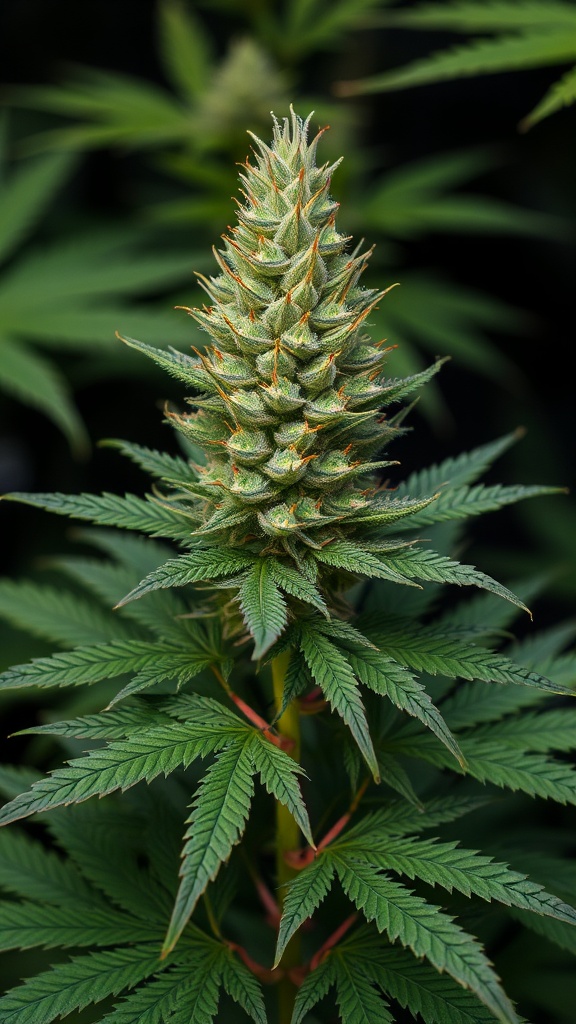
Product innovation has expanded consumer choices—flower, vape cartridges, edibles, concentrates, and novel minor cannabinoids. Quality control varies by source; unregulated products, including synthetic cannabinoids, carry higher risk of contamination and unpredictable effects.
Choosing products from reputable suppliers with third-party lab testing can reduce exposure to contaminants and mislabeled potency.
Making informed choices
Whether exploring THC for recreational or therapeutic reasons, prioritize accurate dosing, awareness of personal and medical risk factors, and product quality.
When using for medical purposes or if you’re on other medications, consult a qualified clinician to tailor a safe, effective plan.