The expanding cannabis market can feel overwhelming. With dozens of cannabinoids, a shifting legal patchwork, and a growing array of products, smart choices matter for safety, effectiveness, and value. This guide breaks down what to look for and how to use cannabis products responsibly.
Know the cannabinoids and terpenes
THC and CBD are the most familiar names, but modern cannabis contains many active compounds. CBG, CBN, and other minor cannabinoids interact with the body’s systems in different ways. Terpenes — aromatic molecules like myrcene, limonene, and pinene — contribute scent, flavor, and subtle modulatory effects. The “entourage effect” refers to how cannabinoids and terpenes work together, so whole-plant or broad-spectrum products can offer a different experience than isolated compounds.
Prioritize lab testing and transparency
Independent third-party lab reports (Certificates of Analysis) are essential. Look for tests that show:
– Cannabinoid potency (mg per serving for edibles; mg/mL for tinctures)
– Terpene profile
– Residual solvents and pesticide screens
– Heavy metal analysis
A reputable product listing will link or display these results clearly.
If a vendor can’t supply up-to-date lab reports, consider other options.
Match method of use to your goals
How you consume cannabis affects onset, intensity, and duration.
– Inhalation (vaping, smoking): Fast onset within minutes and shorter duration; good for acute symptom relief but carries respiratory risk, especially with unregulated products.
– Sublingual (tinctures): Moderate onset, easier dosing, useful for steady, controlled dosing.
– Edibles: Slow onset and long duration; start low and wait at least a couple of hours before re-dosing to avoid overconsumption.
– Topicals: Target localized relief without psychoactive effects for most people.
Choose delivery based on lifestyle, intended effect, and safety.
Dosing tips and microdosing
Start low and go slow, especially with THC. Beginners often benefit from microdosing — very small amounts that provide subtle effects without impairment. For edibles, begin with a low dose and wait before increasing.
Keep a dosing log to track how different products and amounts affect you.
Safety, interactions, and driving
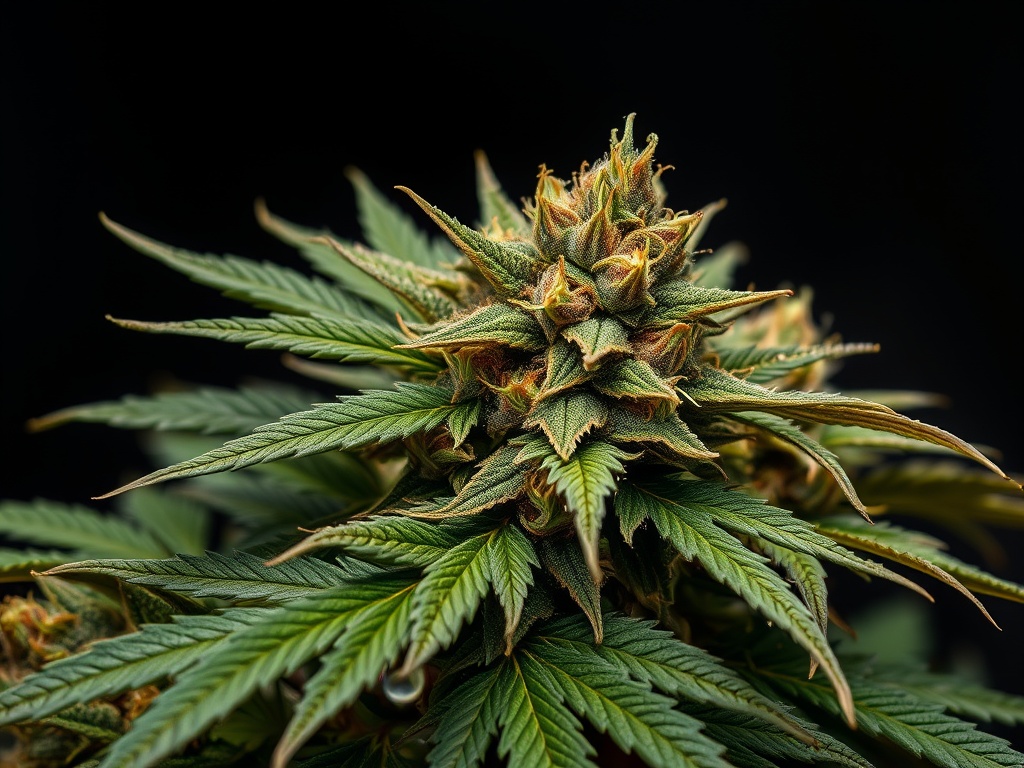
Cannabis can interact with medications metabolized by the liver. If you take prescription drugs, check with a healthcare provider or pharmacist.
Avoid driving or operating heavy machinery while impaired. Even low doses can affect reaction time and judgment for some people.
Storage and child safety
Store cannabis products in childproof containers out of reach and sight of children and pets. Keep products in a cool, dark, dry place to preserve potency and terpene integrity. Dispose of expired products safely according to local guidance.
Buying tips and budgeting
Seek products from licensed retailers when possible, and compare unit pricing (price per milligram) rather than package price. Smaller, single-ingredient purchases can be a low-risk way to experiment with new cannabinoids or delivery methods.
Legal and workplace considerations
Laws and workplace rules vary widely. Understand local regulations and workplace drug policies before purchasing or using cannabis.
Hemp-derived items with trace THC may still show up on some drug tests.
A thoughtful approach — checking lab reports, choosing the right delivery method, and starting with modest doses — will help you navigate the evolving cannabis landscape with greater confidence and safety. Keep notes on what works for you and consult a healthcare professional for personalized guidance.