THC: What to Know About Effects, Use, and Safety
THC (tetrahydrocannabinol) is the primary psychoactive compound in cannabis that produces the familiar “high.” Understanding how THC works, how different products affect the body, and how to reduce risks is important whether you use cannabis for recreation or symptom relief.
How THC works
THC binds to cannabinoid receptors in the brain and body, part of the endocannabinoid system that helps regulate mood, appetite, pain perception, and sleep.
This interaction is why THC can alter cognition and sensation, stimulate appetite, relieve certain types of pain, and change emotional state. Individual response varies based on biology, tolerance, and the chemical profile of the product.
Common forms and their differences
– Flower and concentrates: Smoking or vaping flower provides rapid onset and short-to-moderate duration. Concentrates can be much higher in potency and increase the risk of intense effects.
– Edibles: THC-infused foods and beverages are metabolized in the liver, producing a slower onset and often a longer, more potent experience. Effects can feel stronger and last longer than inhaled THC.
– Sublinguals and tinctures: Placed under the tongue for faster absorption than edibles but slower than inhalation.
– Alternative isomers: Compounds such as THC variants marketed under different names can have varying effects and legal status. These products often lack consistent testing and can be unpredictable.
Dosing and onset
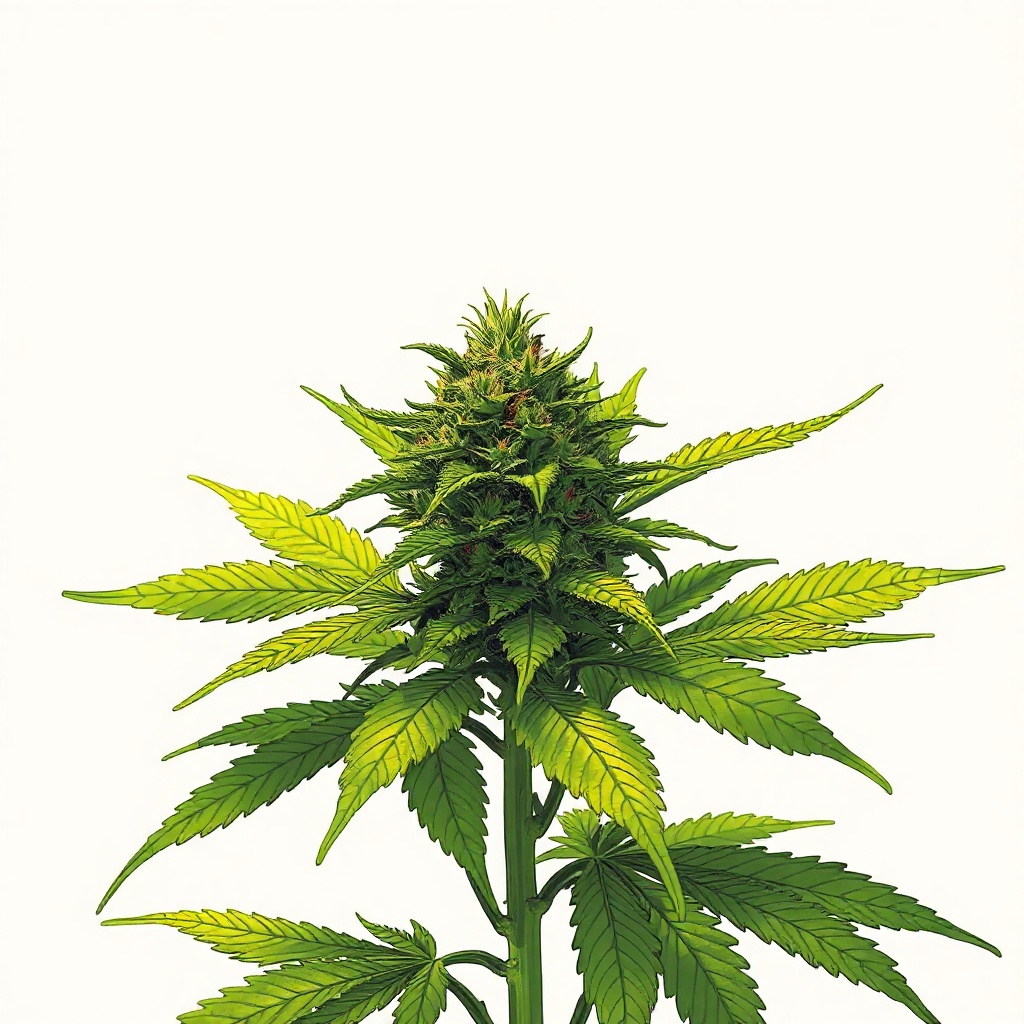
Start with a low dose and increase gradually—“start low, go slow” remains the safest approach.
For inhalation, effects are typically felt within minutes and peak within an hour.
For edibles, onset can take longer, and it’s common for effects to peak several hours after ingestion. Because of delayed onset, taking more before an edible has had time to act can lead to an unexpectedly strong and prolonged high.
Safety and harm reduction
– Know potency and source: Choose products tested by reputable labs. Lab reports should list THC content and check for contaminants like pesticides or solvents.
– Avoid mixing with alcohol and other depressants: Combining THC with alcohol or sedative medications can amplify impairment and unpredictable effects.
– Don’t drive or operate machinery while impaired: THC affects coordination, reaction time, and judgment.
– Store safely: Keep all cannabis products out of reach of children and pets, ideally in childproof, clearly labeled containers.
– Be cautious with mental health: People with a personal or family history of psychosis or severe anxiety may be more susceptible to adverse psychiatric effects. Consult a healthcare professional before use.
– Watch for interactions: THC can interact with prescription medications. Check with a clinician or pharmacist if you take other drugs.
Testing, tolerance, and dependence
THC metabolites can be detected in biological samples for variable periods depending on frequency of use, body composition, and the test type. Regular use can lead to tolerance, meaning higher doses are needed to achieve the same effect, and some people may develop problematic patterns of use. If cutting back or stopping, some users experience withdrawal-like symptoms such as irritability, sleep disturbances, or decreased appetite.
Legal landscape and quality concerns
Legal status and regulations vary by location and are evolving. Even where cannabis is legal, product standards and labeling can vary. Products sold as “hemp-derived” or containing alternative THC isomers may not be reliably tested and can carry different legal and health risks.
Always check local laws and buy from licensed, transparent retailers when possible.
If you’re considering THC for symptom relief or recreation, prioritize safe dosing, reliable lab-tested products, and medical guidance when needed.