CBD oil continues to attract attention as people look for natural options to manage pain, sleep, stress, and overall wellness.
With a growing body of research and a booming marketplace, understanding what CBD is, how it works, and how to pick a quality product helps you make safe, effective choices.
What CBD does and how it works
Cannabidiol (CBD) is a compound found in hemp and cannabis plants that does not produce the “high” associated with THC. It interacts with the body’s endocannabinoid system—an internal network involved in regulating sleep, mood, pain, and immune responses. Research shows promising effects for certain conditions, and some prescription CBD medications are available for specific seizure disorders. For common wellness uses like stress reduction, sleep support, or mild pain relief, many people report benefits, though responses vary.
Types of CBD products
– Full-spectrum: Contains CBD plus trace cannabinoids, terpenes, and low levels of THC.
Often touted for the “entourage effect,” where components may work synergistically.
– Broad-spectrum: Similar to full-spectrum but with THC removed, appealing to those who want other plant compounds without THC.
– CBD isolate: Pure CBD with no other cannabinoids or terpenes, useful when you want CBD only.
Form factors influence onset and duration:
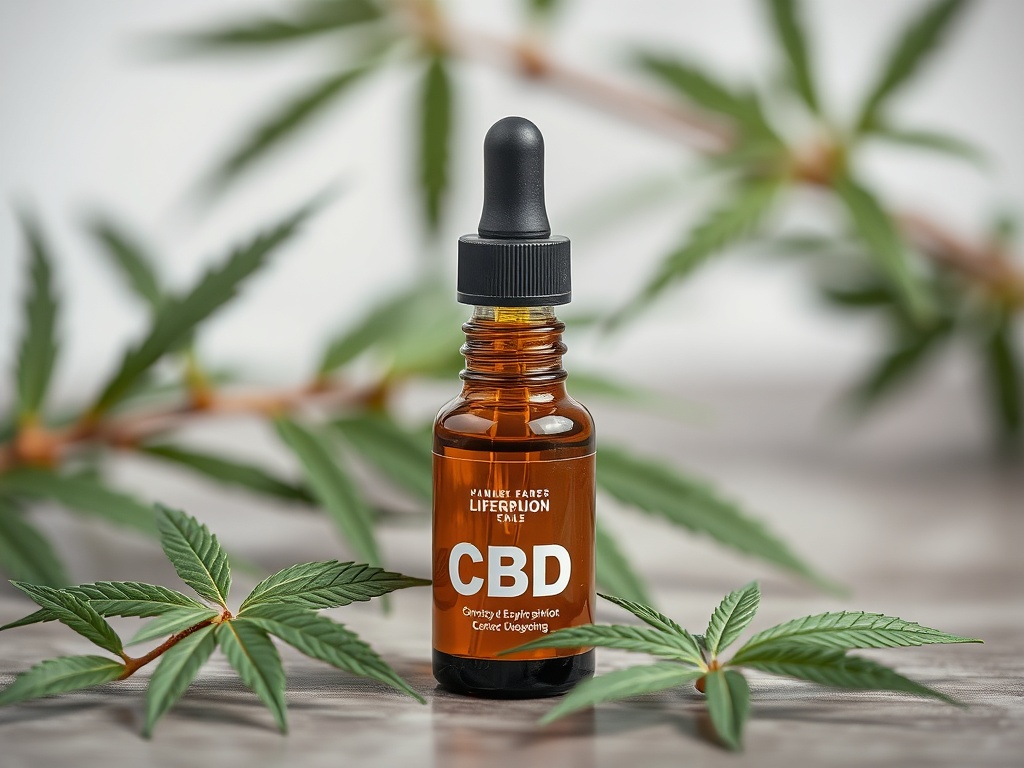
– Tinctures and oils (sublingual) work relatively quickly and allow flexible dosing.
– Capsules and edibles are discreet and longer-lasting but have slower onset.
– Topicals target localized pain or skin issues and generally remain localized.
– Vaping delivers rapid effects but carries respiratory risks and is not recommended for everyone.
Choosing a high-quality CBD oil
Quality varies widely. Look for:
– Third-party lab testing and a certificate of analysis (COA) that confirms cannabinoid content and checks for pesticides, heavy metals, solvents, and microbial contaminants.
– Clear labeling that lists CBD amount per serving and total batch potency.
– Transparent extraction methods—CO2 extraction is considered clean and efficient compared with some solvent-based processes.
– Reputable companies with traceable hemp sources and visible customer reviews.
Safety, dosing, and drug interactions
Start low and go slow—begin with a small dose and increase gradually while monitoring effects. Common mild side effects include dry mouth, drowsiness, changes in appetite, and digestive upset. High doses may affect liver enzymes, so people with liver conditions or those taking prescription medications should be cautious.
CBD can interact with medications metabolized by the cytochrome P450 enzyme system (CYP450), including certain blood thinners and anti-seizure drugs.
Consult a healthcare professional before combining CBD with prescription medications.
Legal and regulatory notes
Laws vary by jurisdiction. Hemp-derived CBD with minimal THC is widely available in many areas, but local rules differ. Products sold as dietary supplements aren’t regulated the same way as pharmaceuticals, so regulatory oversight on labeling and claims can be limited.
Avoid brands that make sweeping medical claims.
Practical tips
– Decide whether you prefer full-spectrum, broad-spectrum, or isolate based on sensitivity to THC and desired effects.
– Confirm COAs are recent and match the product batch.
– Favor products with a clear dosing guide and customer support.
– Keep a daily journal when trying CBD to track dose, timing, and effects.
CBD oil can be a useful tool for supporting wellness when chosen and used thoughtfully. When in doubt, seek guidance from a healthcare provider familiar with cannabinoid therapies and aim for products with transparent testing and responsible sourcing.