CBD oil: what to know now
CBD oil has moved from niche wellness trend to mainstream supplement, showing up in everything from tinctures to skin creams. With growing consumer interest and evolving regulation, understanding how CBD works, what it can — and can’t — do, and how to choose a safe product is essential.
How CBD works and what it may help
CBD (cannabidiol) interacts with the body’s endocannabinoid system, a network involved in regulating mood, sleep, pain, and immune response. Research and real-world reports suggest potential benefits for anxiety, sleep difficulties, chronic pain, and some inflammatory conditions. Clinical evidence is strongest for specific prescription CBD products used in certain seizure disorders; for many other uses, evidence is promising but still developing.
Types of CBD products
– Full-spectrum: contains CBD plus trace cannabinoids, terpenes, and small amounts of THC. May provide an “entourage effect” where multiple compounds work together.
– Broad-spectrum: contains multiple cannabinoids and terpenes but is processed to remove THC.
– Isolate: pure CBD without other cannabinoids or terpenes.
Form matters for effect: tinctures and sublingual drops deliver quicker absorption than edibles, inhalation provides the fastest onset, and topicals target localized issues with minimal systemic absorption.
Quality and safety: what to check
Not all CBD is created equal. Look for brands that provide:
– Third-party lab testing (Certificate of Analysis) showing cannabinoid content, THC level, and absence of contaminants like pesticides, residual solvents, heavy metals, and microbes.
– Clear labeling with CBD amount per serving and batch numbers.
– Extraction method: CO2 extraction is widely regarded as a clean, efficient method.
– Transparent sourcing: organic or pesticide-free hemp, and clear country-of-origin information.
– Ingredient list and carrier oil (MCT oil and hemp seed oil are common).
Potential risks and interactions
CBD is generally well tolerated, but side effects can include drowsiness, dry mouth, diarrhea, appetite changes, and occasional elevations in liver enzymes. CBD can interact with medications metabolized by the liver’s CYP450 enzymes — for example, blood thinners and certain anti-seizure or heart medications — potentially altering their effectiveness. Always consult a healthcare professional before starting CBD if you take prescription meds.
Dosing strategy
There’s no universal dose. Start low and increase slowly while monitoring effects. Many people begin with a small microdose (for example, a few milligrams) and adjust upward in small increments over days or weeks until they reach a useful balance of benefits and tolerability.
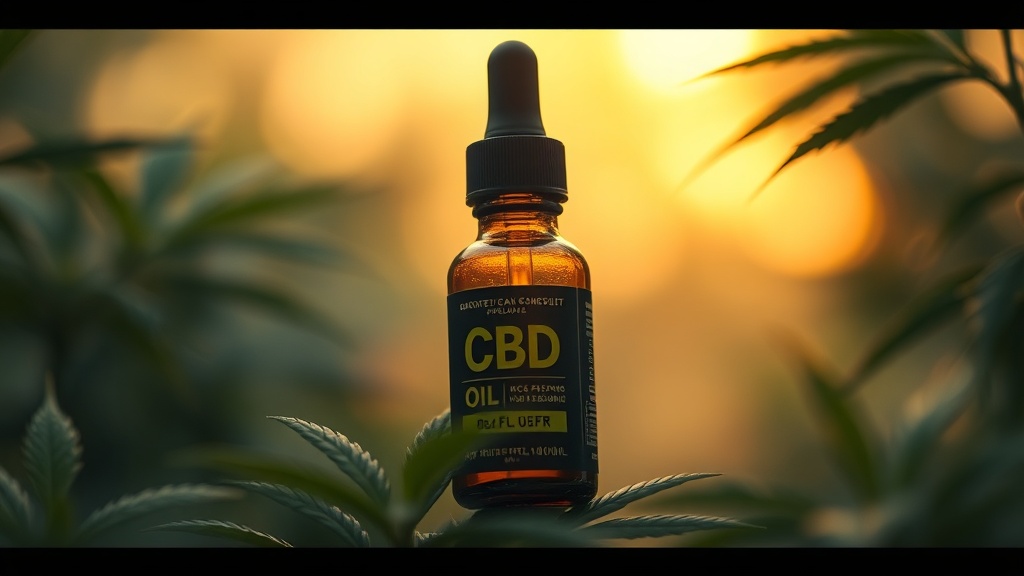
Keep a simple log of dose, timing, and any effects to help find the optimal amount.
Common myths and misconceptions
– “More is better”: higher doses don’t always improve effects and may increase side effects.
– “All CBD products are legal everywhere”: legality varies by jurisdiction and depends on THC content and local rules. Check local regulations.
– “Natural equals safe”: natural hemp can still carry contaminants unless properly tested.
Practical tips for buyers
Choose a reputable company with accessible lab reports, transparent sourcing, and clear customer service. Prioritize products with accurate labeling and avoid unrealistic claims (such as guaranteed cures). Consider trying a small, single-ingredient product first before experimenting with blends or high-potency formulations.
If you’re curious about CBD for sleep, stress, pain, or skin care, a cautious, informed approach helps maximize benefits and reduce risks.
Talk to a healthcare provider about potential interactions, start with a low dose, and choose products backed by independent testing for the safest experience.