THC: What You Should Know About Effects, Use, and Safety
THC (delta-9-tetrahydrocannabinol) is the primary psychoactive compound found in cannabis and the substance most associated with the “high.” Understanding how THC works, the different ways it’s consumed, and the safety considerations can help people make informed choices whether they’re using it recreationally or for therapeutic reasons.
How THC works
THC binds to cannabinoid receptors in the brain and body, part of the endocannabinoid system that helps regulate mood, appetite, pain, and memory. This interaction produces effects ranging from euphoria and relaxation to altered perception and short-term memory impairment.
Individual response varies widely based on genetics, prior exposure, body composition, and concurrent use of other substances.
Common uses and effects
– Recreational: relaxation, sociability, sensory enhancement. Higher doses can trigger anxiety, paranoia, or transient psychotic-like experiences in susceptible individuals.
– Therapeutic: symptom relief for nausea, appetite loss, chronic pain, and muscle spasticity is reported and supported to varying degrees by clinical evidence. Medical use and dosing are guided by healthcare professionals in regulated settings.
Forms and onset times
– Smoking or vaping: rapid onset (minutes) and shorter duration. Effects are easier to titrate but inhalation risks exist.
– Edibles: delayed onset (often 30 minutes to several hours) and longer duration. Edibles are commonly the cause of accidental overconsumption because of delayed effects.
– Tinctures and sublinguals: intermediate onset; allow for somewhat faster absorption than edibles.
– Concentrates (oils, dabs): very high potency; require caution, often used by experienced consumers.
Responsible dosing
Start low and go slow—this advice helps avoid unpleasant experiences. For edibles, wait long enough to assess effects before consuming more. Microdosing (very small amounts of THC) is an increasingly popular approach to gain benefits while minimizing intoxication. People with cardiovascular conditions, a history of psychosis, or those who are pregnant or breastfeeding should avoid THC unless advised otherwise by a clinician.
Safety and interactions
THC can impair motor coordination, reaction time, and judgment—activities like driving are unsafe while impaired. THC interacts with other substances: combining with alcohol tends to intensify impairment. Many medications are metabolized by the same liver enzymes that process cannabinoids, so consult a healthcare professional about potential drug interactions.
Testing and detection
THC metabolites are lipophilic and can be stored in fat tissue, meaning detection windows vary. Urine tests typically detect metabolites for longer periods in frequent users; saliva and blood tests reflect more recent use. Detection depends on frequency of use, body fat, metabolism, and the sensitivity of the test.
Legal and marketplace considerations
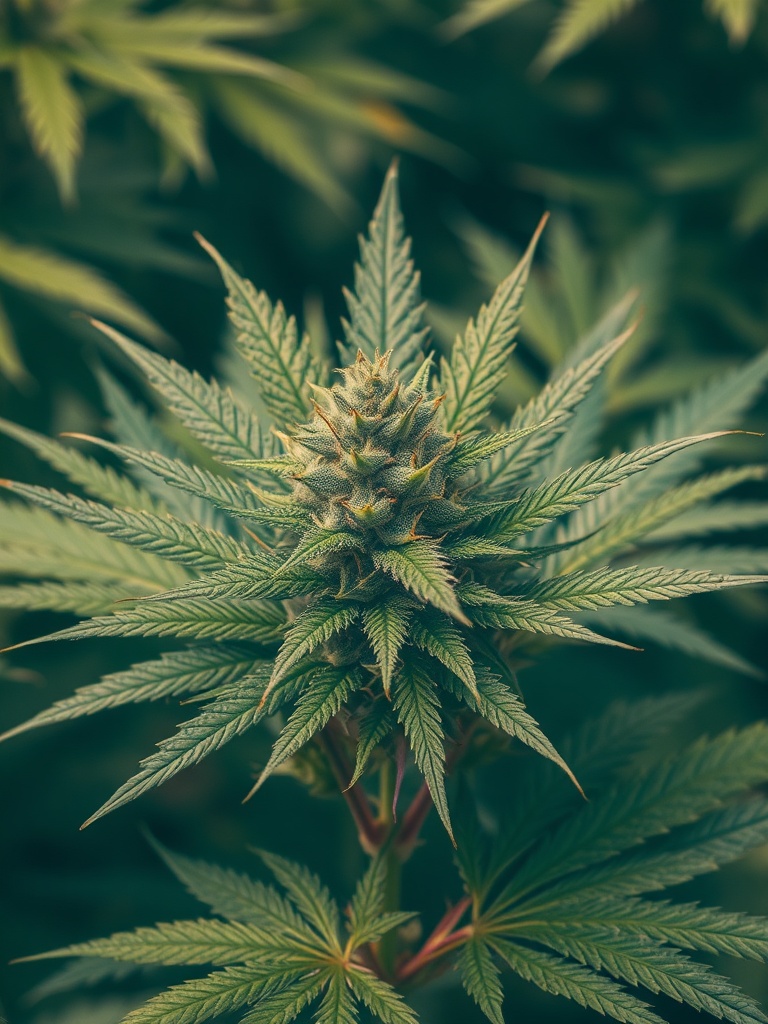
Legal status differs by jurisdiction and continues to evolve. Hemp-derived cannabinoids and novel products like delta-8 have proliferated in some markets, creating regulatory ambiguity. Consumers should prioritize products from licensed providers that offer third-party lab testing for potency and contaminants such as pesticides, heavy metals, and residual solvents.
Practical tips
– Choose trusted, tested products with clear labeling.
– Keep edibles out of reach of children and pets; packaging should be child-resistant.
– Avoid driving or operating machinery while impaired.
– If trying THC for medical reasons, consult a clinician for dosing and monitoring.
– If experiencing severe anxiety, chest pain, or hallucinations after use, seek medical attention.
With awareness of effects, dosing, and safety, individuals can reduce risks and make better-informed choices about THC use. Responsible use and reliable information are key to maximizing benefits while minimizing harm.