Marijuana is moving beyond a single stereotype into a diverse, consumer-driven market that blends medicine, recreation, wellness, and regulation. Whether you’re curious about therapeutic options, shopping for flower or edibles, or navigating workplace rules, understanding the basics helps you make safer, smarter choices.
What’s in the plant
Cannabis contains hundreds of compounds, but two dominate conversation: THC (tetrahydrocannabinol), which produces the psychoactive “high,” and CBD (cannabidiol), which does not typically cause intoxication and is sought for symptom relief.
Minor cannabinoids and terpenes—aromatic molecules that contribute to scent and effects—also influence user experience.
Product labels that list cannabinoid ratios and terpene profiles are becoming more common, helping consumers tailor choices to their needs.
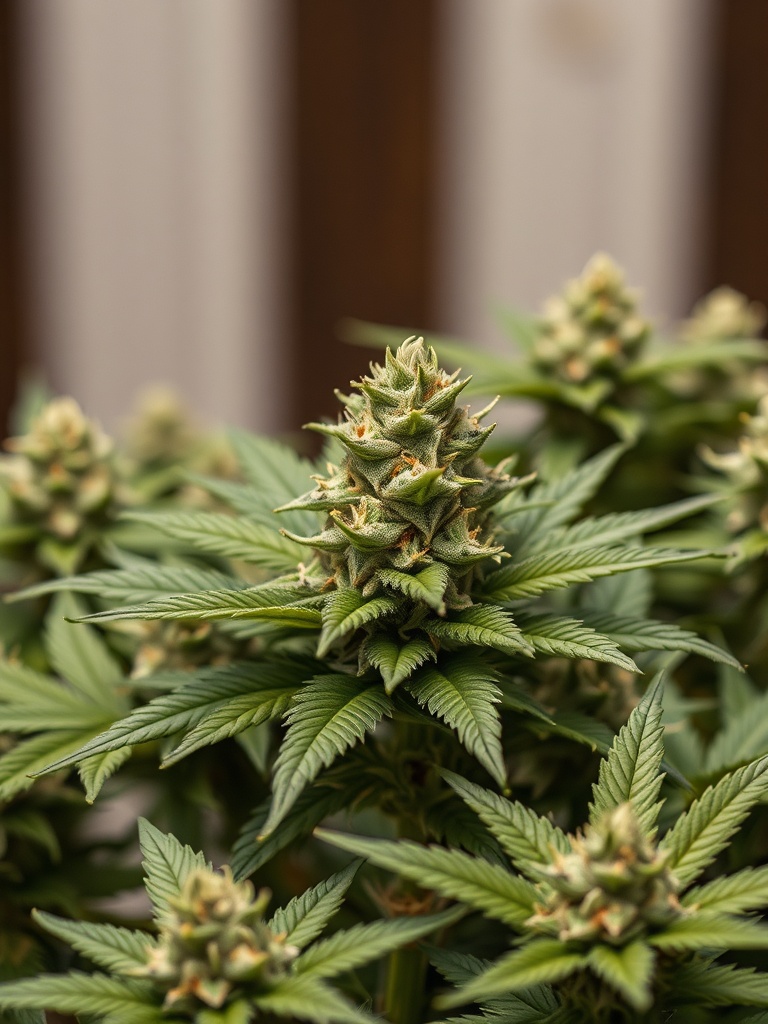
Choices and consumption methods
Popular consumption methods include smoking and vaping, edibles, tinctures, topicals, and capsules. Each has different onset and duration:
– Smoking/vaping: fast onset, easier dose titration, but lung health considerations with certain vape products.
– Edibles: delayed onset and longer duration; start with a low dose and wait longer than you expect before re-dosing.
– Tinctures/sublinguals: moderate onset, easier to measure than edibles.
– Topicals: localized relief without systemic intoxication for many users.
Dosing and safety
Start low and go slow—especially with edibles and high-potency products. New or returning users should begin with small amounts and wait to assess effects.
Mixing cannabis with alcohol or sedatives increases impairment and health risk. Avoid driving or operating heavy machinery while impaired. Keep cannabis securely stored away from children and pets; accidental ingestion can cause serious harm.
Medical considerations
Evidence supports cannabis-based products for some conditions, such as certain types of chronic pain, chemotherapy-related nausea, and specific seizure disorders treated with pharmaceutical-grade CBD. Still, outcomes vary and individual responses differ.
Discuss use with a healthcare provider if you’re pregnant, breastfeeding, have heart or mental health conditions, or take medications that can interact with cannabinoids (for example, drugs metabolized by the liver’s CYP450 enzymes).
Quality and lab testing
Look for products accompanied by third-party lab reports (Certificates of Analysis). Reliable COAs verify potency and screen for contaminants like pesticides, heavy metals, and microbial agents.
Transparent labeling and reputable dispensaries are essential for minimizing risk.
Regulatory and legal landscape
Legal status varies by location, affecting everything from retail access to possession limits and home cultivation rules. Some jurisdictions allow regulated retail markets; others permit medical use only or maintain prohibition. Be aware of local laws, workplace policies, and travel restrictions—transporting cannabis across jurisdictional lines can carry legal penalties.
Risks and harm reduction
High-potency THC and frequent heavy use are linked to higher risk of dependence and may exacerbate anxiety or psychotic symptoms in susceptible people. Synthetic cannabinoids (often sold illicitly) carry substantially higher health risks and should be avoided.
For safer consumption: choose tested products, avoid unknown or homemade concentrates, and seek products with clear dosing information.
Future and consumer trends
Consumers are gravitating toward product transparency, milder dose formats, and a broader variety of delivery systems. Terpene-forward formulations and microdosing options are gaining interest among those seeking functional benefits without strong intoxication.
If you’re considering cannabis for health or recreation, research products carefully, prioritize safety, and consult a healthcare professional for personalized guidance.