THC (tetrahydrocannabinol) remains the most recognized psychoactive compound found in cannabis, and understanding its effects, uses, and safety considerations is essential for anyone interested in cannabis products.
What THC does
THC binds to cannabinoid receptors in the brain and nervous system, producing the characteristic “high” along with effects on mood, appetite, pain perception, and memory. Short-term effects can include euphoria, relaxation, altered perception of time, dry mouth, and increased appetite. Higher doses or sensitive individuals may experience anxiety, paranoia, dizziness, or impaired coordination.
Medical uses and research
THC is used therapeutically for nausea, appetite stimulation, chronic pain, and certain spasticity-related conditions.
Pharmaceutical formulations that isolate THC or combine it with cannabidiol (CBD) are prescribed in many places where medical cannabis is regulated. Ongoing research explores THC’s potential roles in pain management, sleep, PTSD symptom control, and neurological disorders, though evidence quality varies by condition and study design.
Products and consumption methods
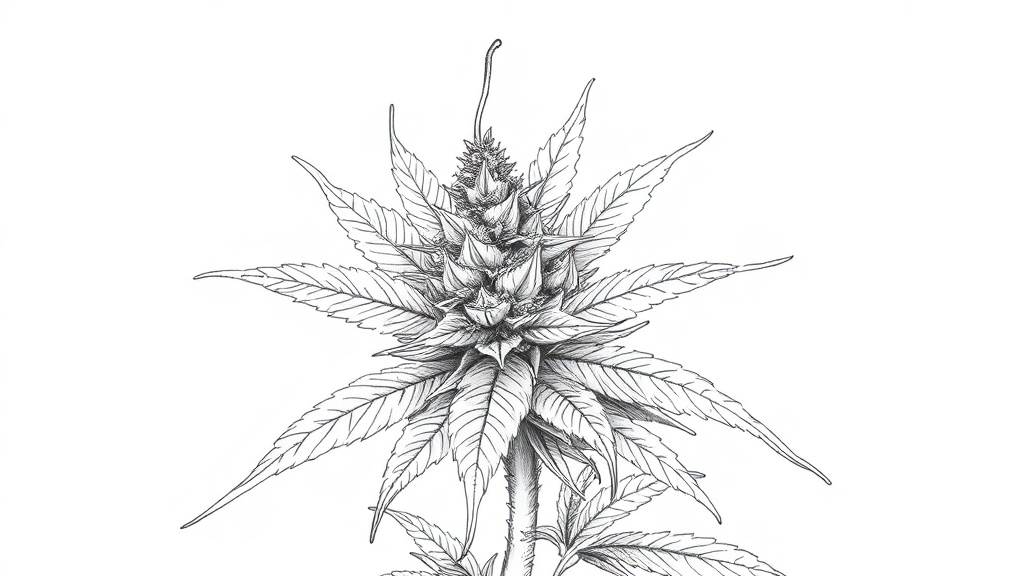
– Flower: smoked or vaporized, offers rapid onset and easier dose titration. Typical flower THC levels often fall in the mid-teens to mid-twenties percentage range, depending on strain and cultivation.
– Concentrates: waxes, shatters, and oils can concentrate THC well above levels found in flower, often exceeding 60% in many extracts; these carry higher risk of overconsumption.
– Edibles: cannabis-infused foods and beverages produce delayed onset (often 30 minutes to several hours) and much longer duration.
Dose control is crucial because effects can be stronger than expected.
– Tinctures and sublinguals: liquid extracts that can offer faster onset than edibles when taken under the tongue.
– Topicals: lotions and balms that may deliver localized relief without producing psychoactive effects for most users.
– Isomers and cannabinoids: variants such as delta-8-THC or synthetic cannabinoids are available in some markets; potency, legality, and safety profiles can differ significantly from delta-9-THC.
Dosing and safety tips
– Start low, go slow: for inexperienced users, beginning with a low dose (often a few milligrams for edibles) and waiting sufficiently long before taking more reduces the chance of an overwhelming experience.
– Know product potency and lab results: choose products with clear labeling and third-party lab testing for THC/CBD content and contaminant screening.
– Beware of mixing: combining THC with alcohol or certain medications (especially those that depress the central nervous system) increases impairment and health risks.
– Avoid driving and operating heavy machinery while under the influence; THC impairs reaction time and judgement.
– Watch for tolerance and dependence: regular use can lead to tolerance and, for some, a problematic pattern of use. Withdrawal symptoms may include irritability, insomnia, and appetite changes.
Testing and detection
THC metabolites are fat-soluble and can be detected in urine, blood, saliva, or hair depending on frequency of use and testing method. Occasional users may test negative sooner than regular users, but detection windows vary widely.
Legal and safety landscape
Legal status and regulatory frameworks differ across regions.
Where regulated markets exist, products tend to be safer due to testing and labeling requirements.
Unregulated or illicit products can carry higher risks from contaminants or inaccurate potency claims.
When considering THC for recreational or medical purposes, consult a healthcare professional if you have underlying health conditions or take other medications. Careful dosing, product transparency, and awareness of impairment are key to reducing risk and improving outcomes.