CBD oil: what to know, how to choose, and how to use it safely
CBD oil has moved from niche curiosity to mainstream wellness staple, and many people are trying it for sleep, stress relief, pain management, and skincare. Understanding quality, dosing, and safety is essential for getting results without surprises.
What CBD oil does and how it works
Cannabidiol (CBD) interacts with the body’s endocannabinoid system, which helps regulate sleep, mood, appetite, and immune response. Research and user reports suggest CBD may help reduce occasional anxiety, support restful sleep, and ease mild, everyday discomfort. It’s not a cure-all, and effects vary by individual, but many find measurable benefits when products are chosen and used thoughtfully.
Choosing the right type: full-spectrum, broad-spectrum, or isolate
– Full-spectrum: Contains CBD plus other cannabinoids, terpenes, and trace THC within legal limits. Many users prefer full-spectrum for the “entourage effect,” where compounds may work synergistically.
– Broad-spectrum: Offers multiple cannabinoids and terpenes but removes THC entirely.
– Isolate: Pure CBD with no other cannabinoids or terpenes; useful for those who must avoid THC for testing or sensitivity reasons.
Quality signals to look for
– Third-party lab testing (Certificate of Analysis): Always check COAs for cannabinoid content and contaminants.
A reputable brand posts recent lab reports verifying potency and screening for pesticides, heavy metals, solvents, and microbes.
– Extraction method: CO2 extraction is widely regarded as clean and precise. Ethanol extraction is also common and effective when properly done; avoid products that don’t disclose extraction methods.
– Ingredient transparency: Ingredients should be clearly listed and free from unnecessary additives and artificial flavors.
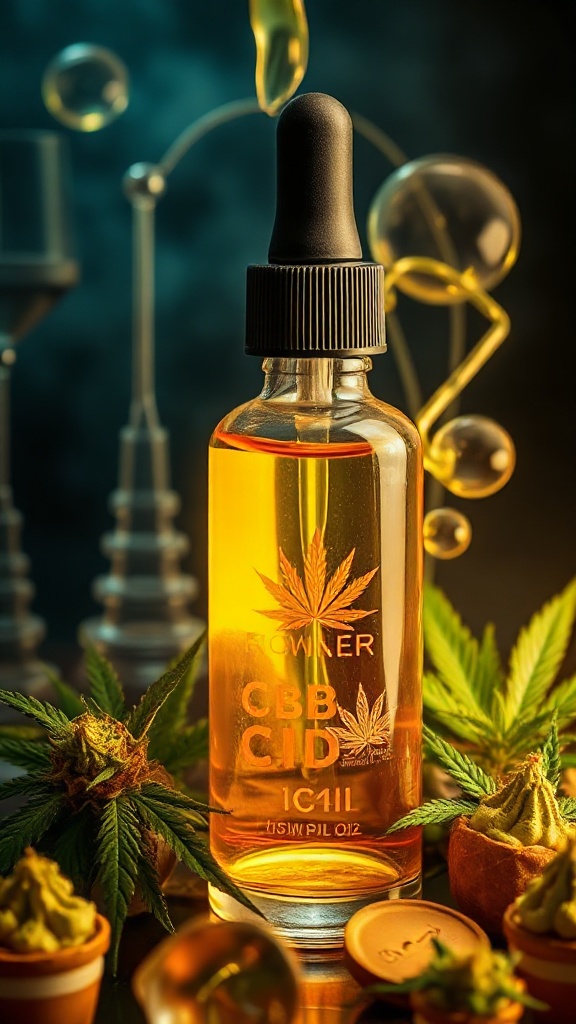
– Packaging: Dark glass droppers and airtight containers protect product integrity.
Dosing and methods of use
Start low and go slow. Many users begin with a modest dose (for example, a few milligrams) and increase gradually while tracking effects. Common practices:
– Sublingual oils/tinctures: Placing drops under the tongue offers relatively fast absorption and good bioavailability.
– Capsules/edibles: Easier for consistent dosing but slower onset and lower bioavailability.
– Topicals: Lotions and balms are best for localized discomfort or skin concerns, with little systemic absorption.
– Inhalation (vaping): Faster effect but comes with lung-health concerns and added safety considerations; avoid unregulated vape products.
Safety and interactions
CBD is generally well tolerated, but mild side effects can include drowsiness, dry mouth, and digestive changes. Crucially, CBD can interact with medications processed by the liver enzyme system (CYP450), including certain blood thinners and antiepileptic drugs. Anyone taking prescription meds, pregnant or breastfeeding, or managing a chronic condition should consult a healthcare provider before starting CBD.
Storage and shelf life
Keep CBD oil in a cool, dark place and tightly sealed to maintain potency. Avoid prolonged exposure to heat and sunlight. Shelf life varies by formulation, but properly stored oils typically remain stable for many months.
Practical tips
– Look for clear dosing information on the label (mg per bottle and per serving).
– Buy from brands that provide COAs and customer service contact information.
– Try a small amount first to test tolerance and any personal sensitivity.
– Track effects in a journal to fine-tune dose and timing.
CBD oil is a flexible tool for supporting wellness when chosen carefully and used responsibly. Prioritizing quality, transparent lab testing, and professional guidance helps ensure a safer, more effective experience.