Marijuana: Practical Guidance for Safer, Smarter Use
Regulatory change and consumer demand have driven rapid evolution in how people buy, use, and think about marijuana. Whether you’re exploring cannabis for wellness, recreation, or symptom relief, understanding product types, dosing, safety, and legal considerations helps you make informed choices.
Understanding cannabinoids and product types
Marijuana refers to flower and products that contain cannabinoids such as THC (the primary psychoactive compound) and CBD (a non-intoxicating compound often associated with calming effects). Products fall into several categories:
– Flower: smoked or vaporized; quick onset and easy to dose up or down.
– Concentrates: potent extracts for experienced users; much higher THC percentages.
– Edibles: food or drink infused with cannabinoids; delayed onset and longer duration.
– Tinctures and sublinguals: oil-based drops absorbed under the tongue for moderate onset.
– Topicals: creams and balms for localized relief without systemic intoxication.
Lab testing matters
Buy from licensed dispensaries where products include a Certificate of Analysis (COA).
Lab reports verify cannabinoid content and screen for contaminants like pesticides, molds, and residual solvents. COAs help match potency to your tolerance and goals and reduce risk from adulterated products.
Dosing and the “start low, go slow” principle
Especially with edibles and concentrates, dose carefully. Edibles can take from 30 minutes to several hours to take effect, and effects may last much longer than inhaled forms. Beginners should start with a low dose and wait sufficiently before re-dosing. For people exploring THC for the first time or switching products, smaller incremental doses reduce the risk of unpleasant experiences.
Health and harm reduction
– Smoking vs vaping: Smoking delivers cannabinoids quickly but exposes lungs to combustion byproducts.
Vaping can reduce combustion-related toxins but requires caution—use products from reputable sources, and avoid unregulated cartridges or additives.
– Interactions and conditions: Cannabinoids can interact with medications and affect conditions such as heart disease, pregnancy, or mental health disorders. Discuss use with a healthcare provider, particularly if you take prescription drugs or have underlying health issues.
– Driving and coordination: Marijuana impairs reaction time and decision-making. Avoid driving or operating heavy machinery while impaired.
– Mental health: High-THC products may exacerbate anxiety or psychosis in susceptible individuals.
Balanced or CBD-forward products may be preferable for those concerned about anxiety.
Practical storage and safety
Store cannabis products in airtight, light-resistant containers in a cool, secure place away from children and pets.
Clearly label homemade or decanted items. Childproof packaging and responsible storage prevent accidental ingestion, especially with appealing edibles.
Shopping smart at dispensaries
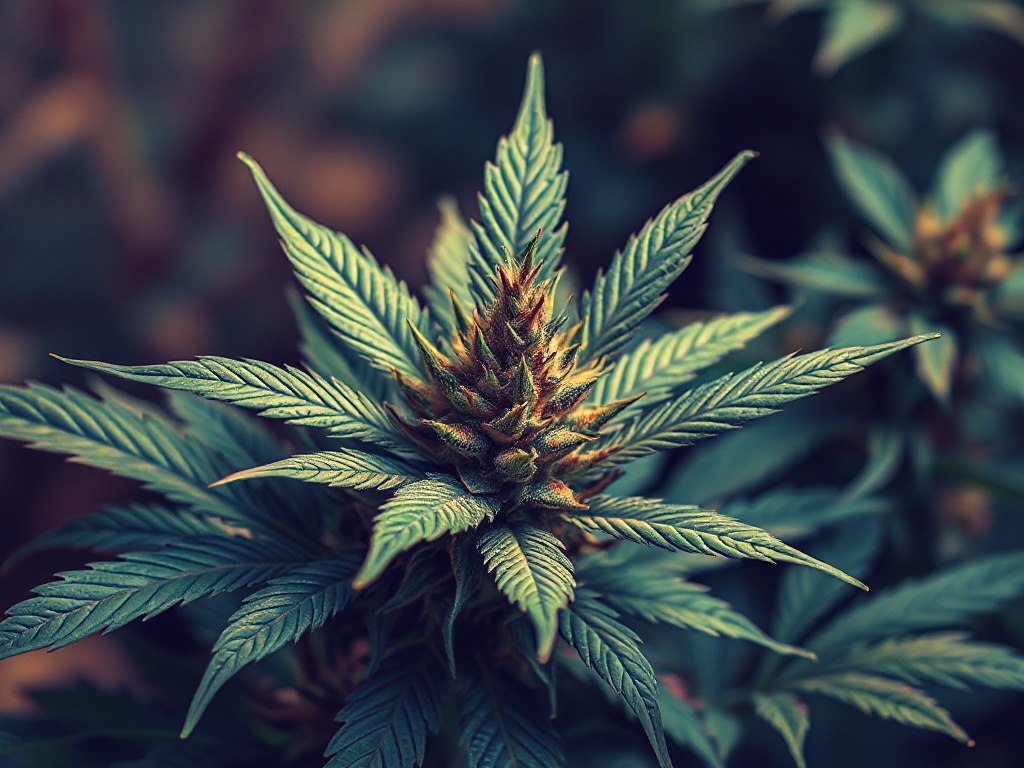
Know your goals—relaxation, pain relief, sleep—and ask budtenders about terpene profiles, expected effects, and lab results. Terpenes contribute aroma and may influence effects; myrcene is often associated with relaxation, while limonene may feel more uplifting. Request low-dose samples or microdosing options if available.
Legal and workplace considerations
Laws vary by jurisdiction.
Possession, consumption, and cultivation rules differ widely, as do workplace policies regarding impairment.
Always comply with local regulations and employer rules to avoid legal or employment consequences.
Final thoughts
Marijuana offers diverse ways to manage symptoms and enjoy recreation, but safer outcomes come from informed decisions: prioritize lab-tested products, dose conservatively, consider health interactions, and respect local laws. When questions about medical use or interactions arise, seek professional medical guidance.