The narrative around marijuana use has been rapidly shifting over the last decade, with mounting evidence pointing towards its potential therapeutic benefits.
Once stigmatized and condemned as a ‘gateway drug’, marijuana, or cannabis, has now emerged as a legitimate player in the world of medicine, thanks to a plethora of scientific research showcasing its potential in managing various health conditions.
Cannabis consists of over 100 compounds, known as cannabinoids, the most notable being delta-9-tetrahydrocannabinol (THC) and cannabidiol (CBD). These cannabinoids interact with our body’s endocannabinoid system and can influence a range of physiological processes, from pain and inflammation to mood and sleep patterns.
Medical marijuana has shown promise in the treatment of several chronic conditions. It has displayed considerable efficacy in reducing seizures in people with epilepsy, alleviating chronic pain, and mitigating the debilitating effects of multiple sclerosis. Furthermore, patients undergoing chemotherapy have reported reduced nausea and increased appetite with the use of medical marijuana, giving this plant a crucial role in palliative care.
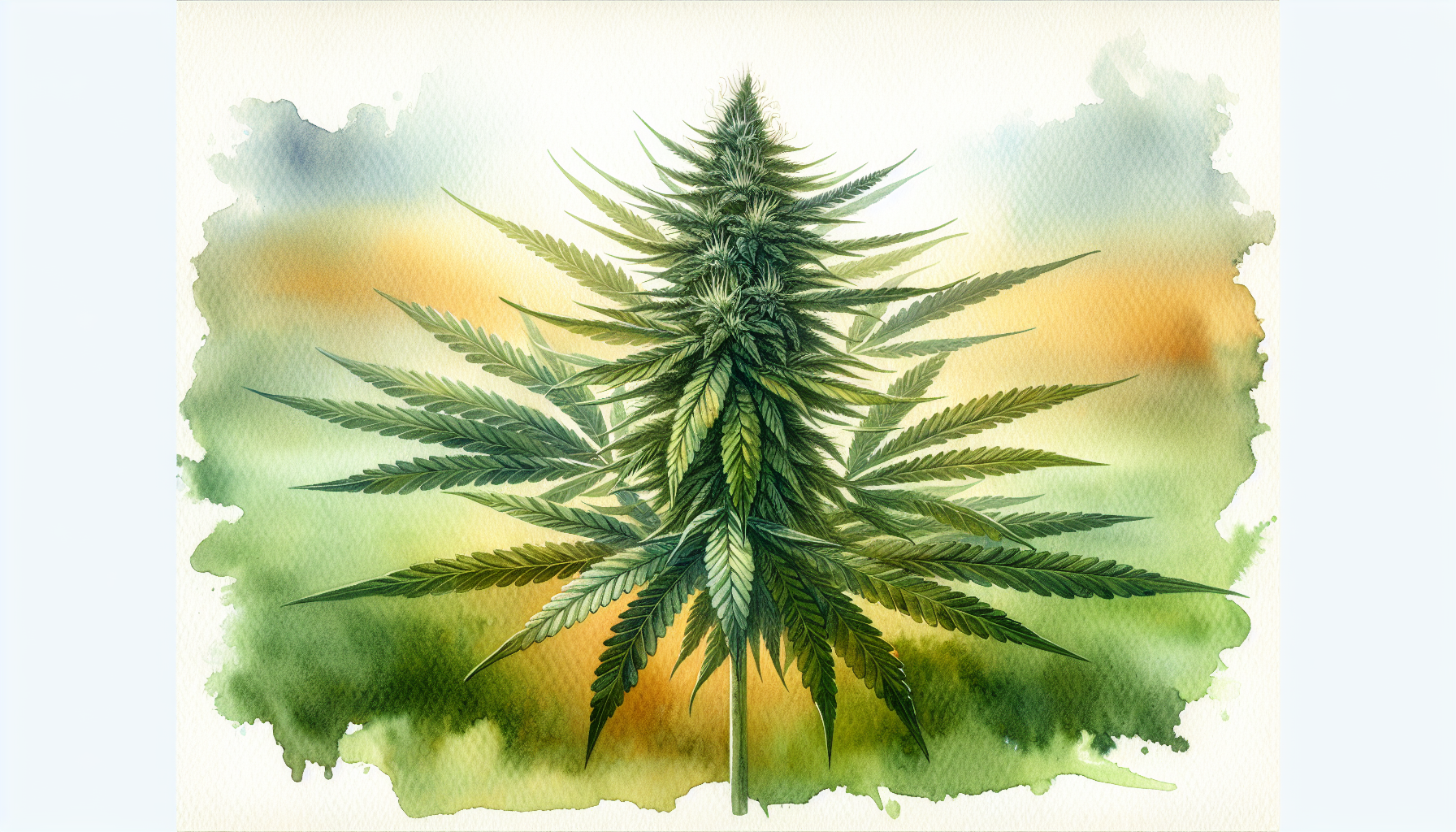
Moreover, it’s not just the physical ailments that marijuana addresses, but it also provides mental health support. CBD, in particular, has shown potential in reducing symptoms of anxiety and depression, conditions that plague millions worldwide.
Yet, as the acceptance of marijuana’s therapeutic potential grows, so does the need for regulation and standardization. Just like any other medication, marijuana should be subject to rigorous testing, quality control, and clear dosing guidelines to ensure patient safety.
Alongside this, public education about the appropriate use and potential side effects of marijuana is vital.
It’s essential to strike a balance between leveraging its medicinal properties and preventing misuse or dependency, as THC does have psychoactive effects.
The future of marijuana in healthcare looks promising, supported by progressive legislation, scientific research, and changing public perception. As we continue uncovering its potential, it’s clear that marijuana holds a significant place in the future of medicine, changing the conversation from stigmatization to normalization.
In conclusion, the progress made in research and the acceptance of marijuana as a therapeutic tool signals a paradigm shift in our approach to healthcare. While challenges remain, the potential benefits of marijuana are too substantial to ignore. As the narrative around this plant changes, marijuana might just be the unconventional hero of modern medicine.