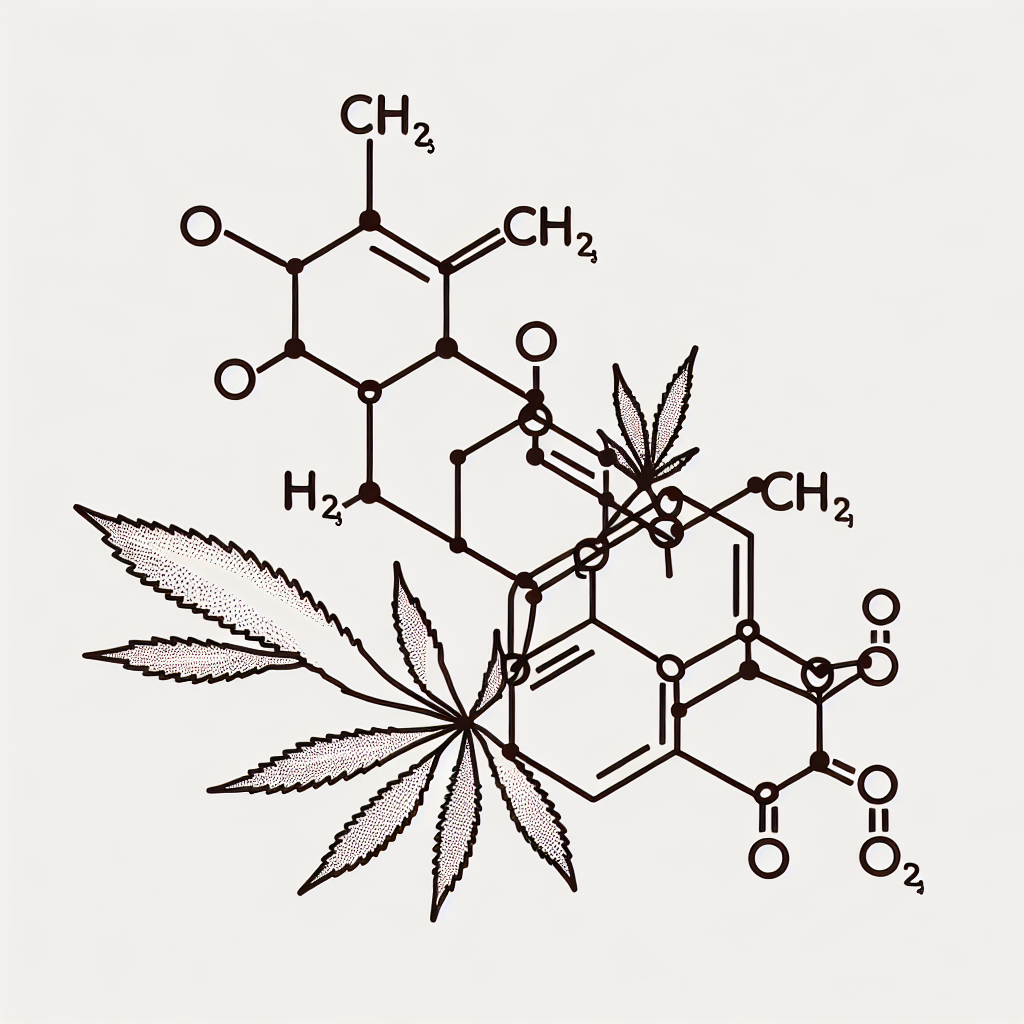
In recent years, the narrative around Tetrahydrocannabinol (THC), the primary psychoactive compound in cannabis, has dramatically shifted. Once stigmatized and largely misunderstood, scientific research is continually unveiling the benefits of THC, leading to a broader acceptance and increased interest in its therapeutic capabilities.
THC works by mimicking the body’s naturally occurring compounds, known as endocannabinoids, which are part of a complex communication system in the brain and body, the endocannabinoid system (ECS). When consumed, THC binds to cannabinoid receptors in the brain and triggers a range of responses from euphoria to anxiety, depending on the dose and the individual’s tolerance.
However, beyond its psychoactive effects, studies reveal that THC has distinct therapeutic properties. The most notable benefit is its efficacy in pain relief.
Research published in the Journal of Pain found that THC could alleviate chronic pain, particularly neuropathic pain. This makes it a viable alternative to traditional painkillers, which often come with potential addiction risks or side effects.
Moreover, THC has shown promise in managing symptoms associated with conditions like multiple sclerosis and Parkinson’s disease. In multiple sclerosis, for instance, THC can help reduce muscle spasticity and pain. Meanwhile, in Parkinson’s disease, THC can potentially alleviate tremors and improve sleep quality.
THC also plays a crucial role in palliative care, particularly for cancer patients undergoing chemotherapy. Studies indicate that THC can curb chemotherapy-induced nausea and vomiting, a common yet debilitating side effect. Furthermore, it can stimulate appetite, an essential aspect in helping patients maintain their strength and nutritional health during treatment.
While the therapeutic potential of THC is undeniable, it’s important to remember that the compound is not without its risks. Overconsumption can lead to adverse effects such as paranoia, increased heart rate, and cognitive impairment.
Therefore, responsible use, under the guidance of a healthcare professional, is paramount.
In the coming years, as we continue to de-stigmatize and understand the therapeutic benefits of THC, it’s expected that this compound will play an increasingly central role in several aspects of healthcare. By staying informed about the latest research, we can make the most of the potential that THC and other cannabis-derived compounds have to offer.
In conclusion, THC is more than just the compound responsible for the ‘high’ from cannabis; it’s a potentially transformative element in the world of medicine, showcasing the power of harnessing nature in our ongoing pursuit of health and well-being.