Cannabis continues to shift from counterculture to mainstream conversation as medical research, consumer products, and changing laws expand access and awareness.
Whether you’re curious about therapeutic use, exploring different products, or seeking safer consumption habits, knowing the basics helps you make informed choices.
What cannabis contains: THC, CBD, and terpenes
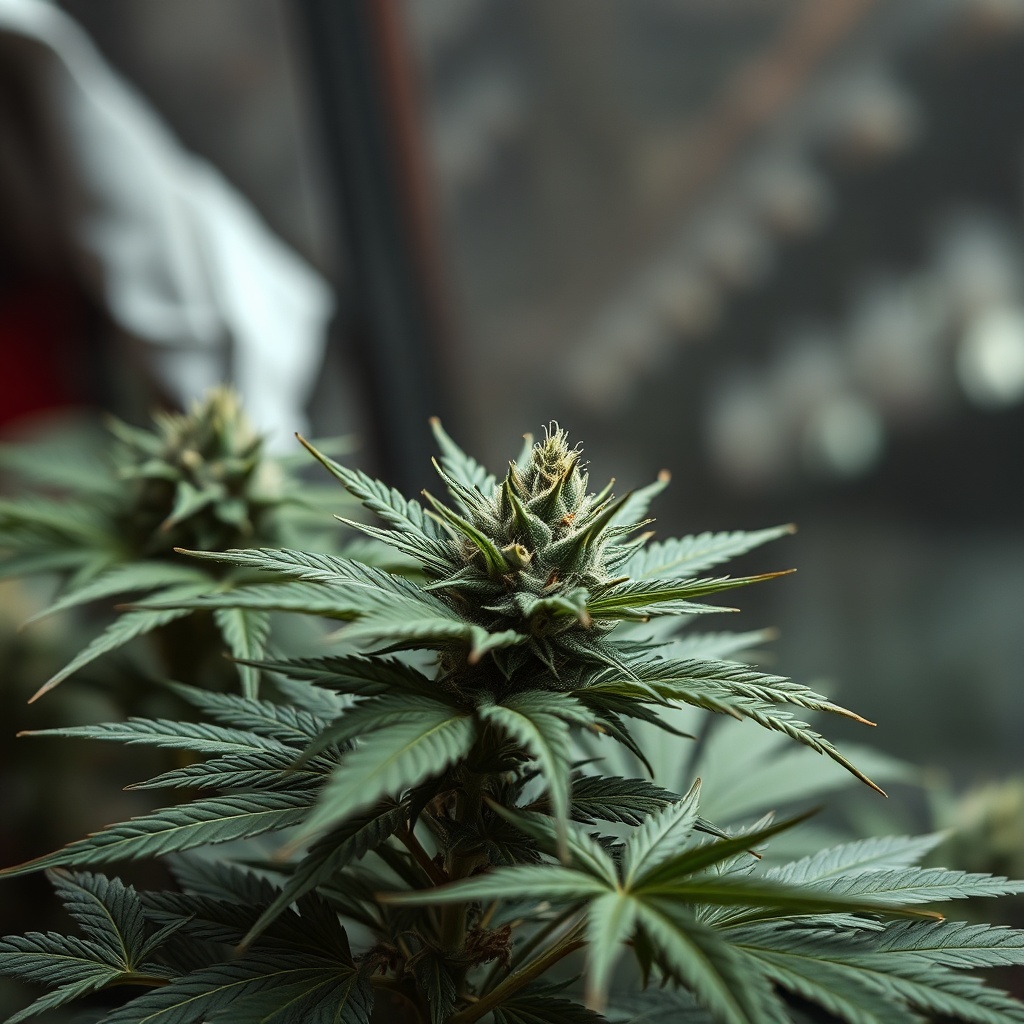
Cannabis plants produce cannabinoids and aromatic compounds called terpenes. The two most familiar cannabinoids are THC, which produces psychoactive effects, and CBD, prized for calming and anti-inflammatory properties without the “high.” Terpenes like myrcene, limonene, and linalool contribute aromas and may modulate effects through the “entourage effect.” Lab-tested products should list cannabinoid and terpene profiles so consumers understand potency and expected experience.
Medical and therapeutic uses
Cannabis is used for symptom relief across conditions such as chronic pain, spasticity, nausea, anxiety, and sleep disturbances.
Different formulations—THC-dominant, CBD-dominant, or balanced—serve different needs.
For acute pain or sleep, low-to-moderate THC may be helpful; for daytime symptom control without intoxication, CBD-rich preparations are often preferred. Talk with a healthcare professional to align treatment with medical history and medications.
Consumption methods and onset
Smoking and vaping deliver cannabinoids quickly, with effects felt within minutes and lasting a few hours. Edibles produce a delayed onset—often an hour or more—and longer duration, so start low and wait before consuming more.
Tinctures and sublingual sprays offer quicker absorption than edibles and more precise dosing. Topicals target localized symptoms like muscle soreness without systemic effects. Each method has trade-offs in onset, duration, and control.
Dosing and safety
Start low and go slow. For edibles, beginners may benefit from microdoses (for example, a small fraction of a typical 10 mg THC dose) because effects are delayed and cumulative. Keep a dosing log to track strain, dose, and symptoms.
Avoid mixing cannabis with alcohol or sedatives, and be cautious if you drive or operate machinery while under the influence.
Store products securely away from children and pets—edibles especially can be mistaken for snacks.
Quality, testing, and labeling
Choose products from reputable suppliers that provide third-party lab results (Certificates of Analysis). Tests should confirm cannabinoid content and screen for contaminants such as pesticides, solvents, heavy metals, and microbial contaminants. Clear labeling—indicating cannabinoid amounts per serving and total package, recommended serving size, and production methods—helps consumers compare products.
Legal and workplace considerations
Laws vary by jurisdiction; possession, sales, and permitted forms differ widely. Employers may maintain drug-free workplace policies and conduct testing, so be aware of workplace rules before using cannabis, particularly THC-containing products. CBD products can sometimes contain trace THC; when compliance matters, choose products with reliable testing and low THC thresholds.
Choosing the right product
Match product type to goals: choose CBD-dominant for daytime symptom control without intoxication, balanced formulations for mild symptom relief, and THC-dominant options when greater symptom relief is needed and impairment is acceptable. Consider onset needs—fast-acting inhalation vs longer-lasting oral options—and consult lab results for potency and purity.
Ongoing research and consumer education
Research is expanding, but gaps remain around dosage standards, long-term effects, and comparative benefits across formulations. Continue learning from reliable sources, ask pharmacists or clinicians for guidance, and prioritize products with transparent testing and clear labeling. Responsible use and informed decision-making help maximize potential benefits while minimizing risks.