Cannabis is part of everyday conversation now more than ever, and understanding how to use it safely and effectively matters whether you’re exploring for wellness, recreation, or cultivation. This guide breaks down the essentials—what to expect from different cannabinoids, popular consumption methods, safety tips, and legal and health considerations.
What cannabinoids do
– THC (tetrahydrocannabinol) is the primary psychoactive compound. It produces euphoria and can also reduce pain and stimulate appetite. Expect varying effects by dose, strain, and individual tolerance.
– CBD (cannabidiol) is non-intoxicating and sought for its calming and anti-inflammatory properties. Many people use CBD for anxiety, sleep support, and chronic pain management.
– Minor cannabinoids (CBG, CBC, THCV) and terpenes (myrcene, limonene, linalool) shape subtle differences in effect and aroma. Full- or broad-spectrum products may deliver a more rounded experience thanks to the “entourage effect.”
Common consumption methods
– Smoking and vaping provide rapid onset (minutes) and easier dose titration. Drawbacks include respiratory irritation and potential risks linked to illicit or unregulated vape cartridges.
– Edibles deliver a delayed, longer-lasting high. Start low and wait; effects can take one to three hours to peak for many users. Overconsumption is the most common complaint with edibles.
– Tinctures and sublinguals offer moderate onset and flexible dosing, useful for those seeking a smoke-free option.
– Topicals (creams, balms) provide localized relief without intoxication and are popular for muscle soreness and inflammatory skin conditions.
Dosing and tolerance
Beginners should begin with a conservative approach. For inhalation, a single small inhalation may be enough; for edibles, a microdose (a few milligrams of THC) is a sensible starting point. Tolerance develops with frequent use, so consider periodic breaks to reset sensitivity.
Safety and health considerations
– Mixing with alcohol or sedatives can amplify impairment. Avoid combining substances without medical guidance.
– Don’t drive or operate heavy machinery while impaired. Cannabis affects reaction time and decision-making even when users feel confident.
– If you’re pregnant, breastfeeding, or have a history of psychosis or certain heart conditions, consult a healthcare professional before using cannabis.
– Drug interactions are possible—CBD and THC can alter how other medications are metabolized. A pharmacist or prescriber can advise on specific risks.
Quality and sourcing
Choose products from licensed retailers where testing for potency and contaminants (pesticides, heavy metals, residual solvents) is standard. Look for clear labeling with cannabinoid content and third-party lab results.
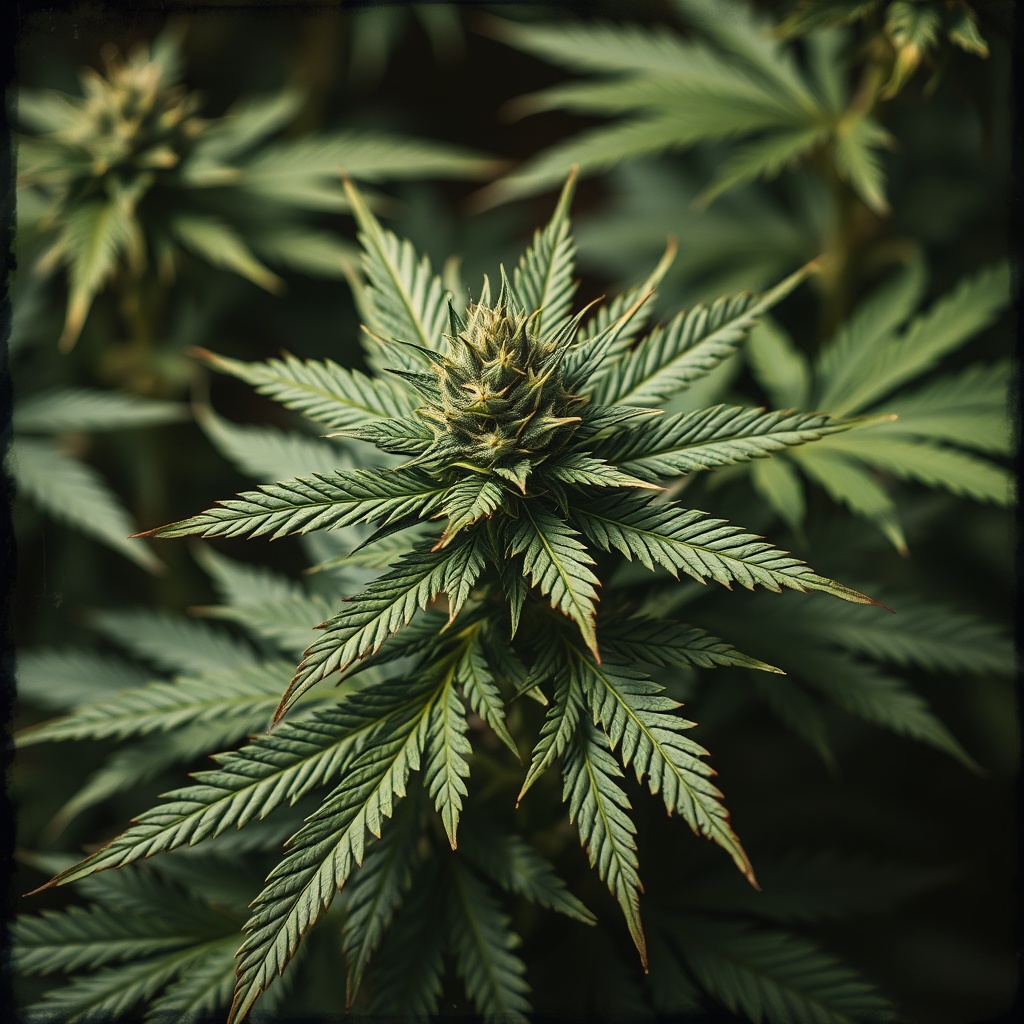
For home cultivation, prioritize genetics, pest prevention, and proper drying/curing techniques to protect quality and potency.
Legal and workplace realities
Legal status varies by jurisdiction and often includes distinctions between medical and adult-use access. Even where recreational access exists, workplace policies may still restrict on- and off-duty use. Keep documentation for medical use where applicable and understand local laws before consuming or transporting cannabis.
Practical tips for responsible use
– Store products securely away from children and pets.
– Keep a consumption log to track strain, dose, and effects—this helps refine personal preferences and avoid unpleasant surprises.
– Consider products with balanced cannabinoid profiles if you’re seeking symptom relief without strong intoxication.
Cannabis offers many pathways to relief and enjoyment, but thoughtful choices around dose, product quality, and context maximize benefits and minimize risk. When in doubt, consult a knowledgeable healthcare provider or licensed dispensary professional to tailor use to your needs.