Marijuana is more than a single plant — it’s a diverse set of products, experiences, and legal frameworks that affect millions of people. Whether you’re curious about medical use, recreational options, or safe consumption, understanding the essentials helps you make smarter, safer choices.
What’s in cannabis
Cannabis contains hundreds of chemical compounds, with THC and CBD the most discussed.
THC is the primary psychoactive compound that produces the “high.” CBD does not typically cause intoxication and is often sought for potential calming or anti-inflammatory effects. Many products also list terpenes — aromatic compounds that contribute to flavor and may influence effects.
Choosing the right product
– Know the type: Flower, concentrates, edibles, tinctures, topicals and vape cartridges all deliver cannabis differently. Flower and vapes act quickly, while edibles take longer to onset but last much longer.
Topicals are used for localized relief without systemic intoxication.
– Read lab reports: Look for a certificate of analysis (COA) from a third-party lab to verify potency and screen for contaminants like pesticides, mold, and residual solvents.
– Full-spectrum vs isolate: Full-spectrum products contain a range of cannabinoids and terpenes, which some users prefer for a combined effect. Isolates contain a single cannabinoid such as pure CBD.
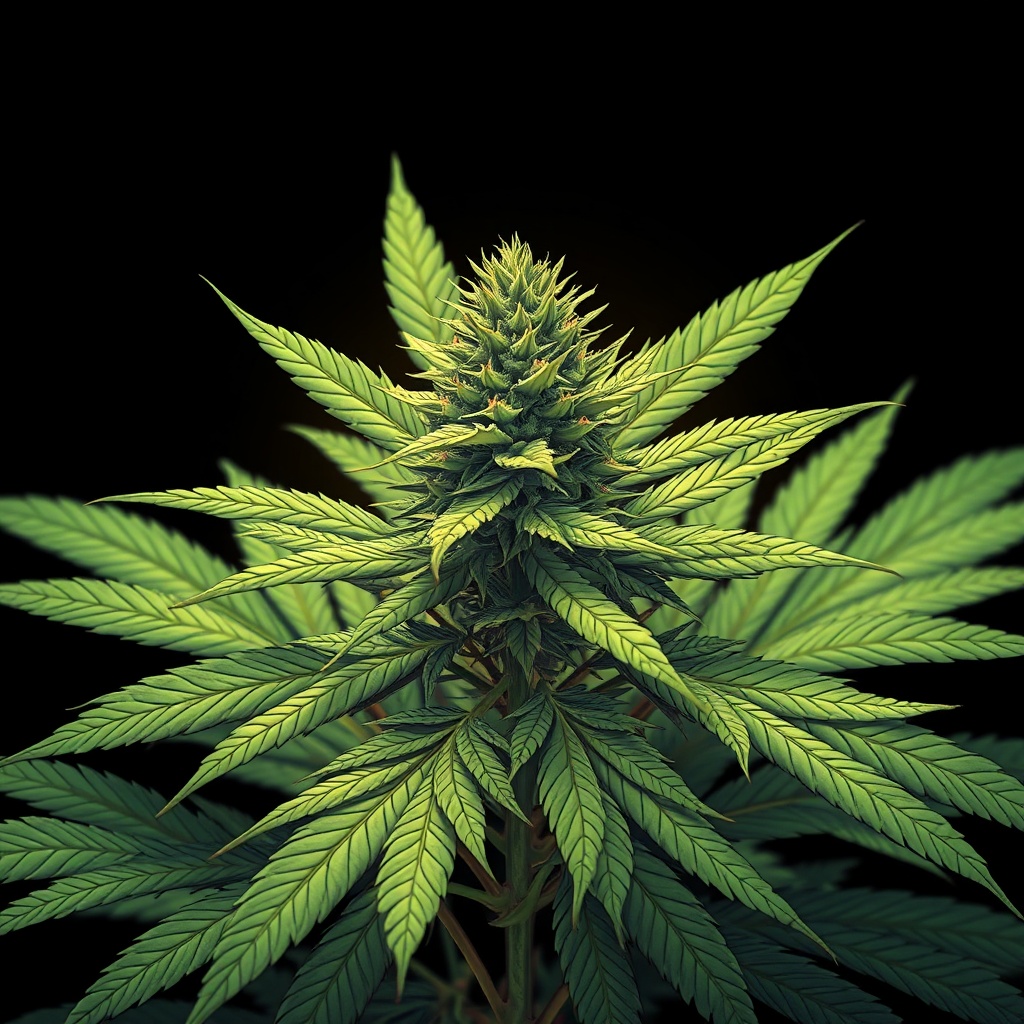
– Consider terpene profiles: Terpenes can hint at flavor and subtle differences in experience — for example, myrcene may be earthy and calming, while limonene is citrusy and uplifting.
Dosing and timing
Start low and go slow.
For inhalation methods, effects show up within minutes and peak quickly. For edibles, effects can take an hour or more to begin, and dosing mistakes are common because potency varies widely. A small dose, especially for edibles, is safer until you know your tolerance. Keep a consumption journal to track doses, product types, and how you feel.
Safety and interactions
– Don’t mix with alcohol or sedatives: Combining substances can intensify impairment and risk.
– Medication interactions: Cannabis can interact with prescription medications — particularly blood thinners and certain antidepressants. Check with a healthcare professional before combining cannabis with other treatments.
– Avoid use during pregnancy and breastfeeding: Current guidance recommends abstaining because of potential risks to fetal and infant development.
– Impairment and driving: Avoid driving or operating heavy machinery while impaired.
Cannabis affects judgment, reaction time, and coordination.
– Beware of synthetic cannabinoids: These lab-made substances can be unpredictable and dangerous; avoid them.
Storage and security
Store cannabis products in child-resistant containers, out of reach and sight of children and pets. Keep edibles clearly labeled and separate from conventional snacks to prevent accidental ingestion. For flower and concentrates, store in a cool, dark place to preserve potency and flavor.
Legal and practical considerations
Laws and rules vary widely by place. Always check local regulations before buying, consuming, or transporting cannabis. Traveling across state or national borders with cannabis can result in serious legal consequences.
Finding reliable information
Rely on reputable sources: licensed dispensaries with transparent lab testing, healthcare providers familiar with cannabis, and peer-reviewed research. Be wary of sensational headlines or anecdotal claims presented as fact.
Whether exploring cannabis for wellness or recreation, informed choices and harm-reduction practices lead to better outcomes. When in doubt, consult a healthcare professional and prioritize safety.