Marijuana is part of an evolving landscape that spans medicine, recreation, industry, and regulation. Whether you’re curious about therapeutic potential, safer consumption, or legal questions, understanding the basics and best practices helps make informed choices.
What’s in the plant
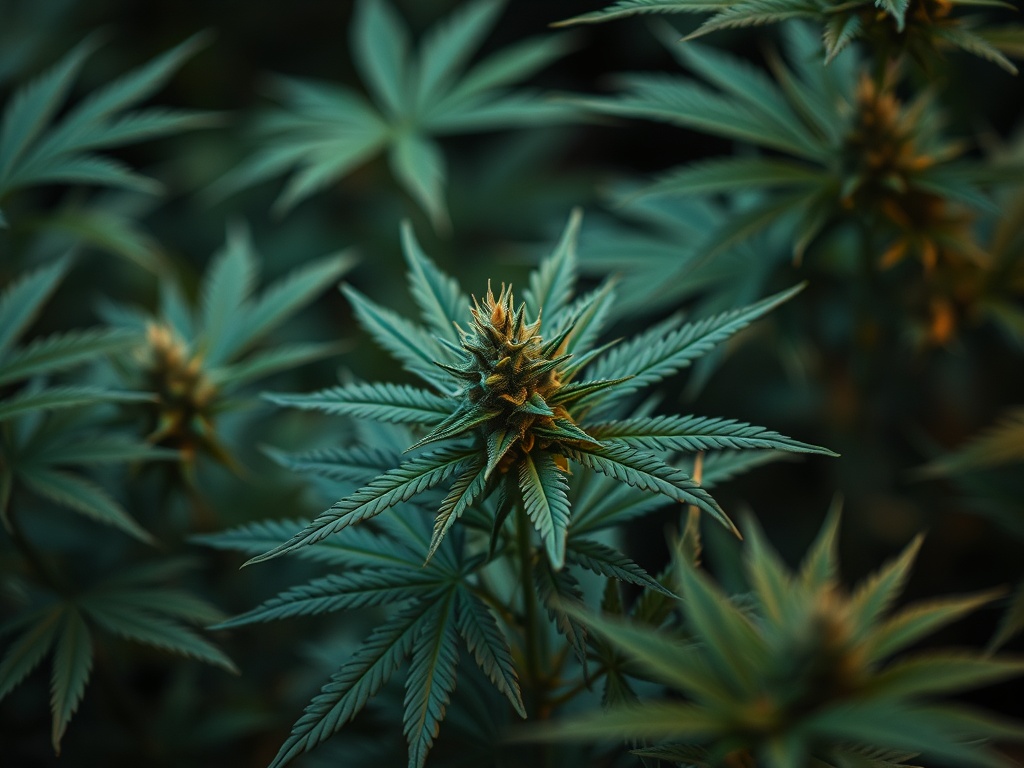
Cannabis contains hundreds of compounds, but THC and CBD are the two most talked-about. THC produces the intoxicating effects associated with marijuana, while CBD is non-intoxicating and sought for potential calming and anti-inflammatory effects.
Terpenes—aromatic oils like myrcene, limonene, and linalool—also influence aroma and may subtly shape effects when they interact with cannabinoids.
Consumption methods and what to expect
– Smoking and vaping: Provide fast onset and easy dose control. Vaping may reduce combustion byproducts but quality of device and cartridge matters; avoid unregulated products to reduce risk.
– Edibles: Effects are delayed and often stronger and longer-lasting. “Start low, go slow” is crucial—wait several hours before taking more to avoid unpleasant overconsumption.
– Tinctures and sublinguals: Faster onset than edibles with discreet dosing.
– Topicals: Used for localized relief without systemic intoxication.
Dosing and harm reduction
Individual tolerance varies. Beginners should start with low doses—microdosing (very small amounts) is popular for therapeutic goals without significant intoxication. Keep a dosing log to track effects, strain, and amount. Avoid mixing cannabis with alcohol or sedatives. Never drive or operate machinery while impaired.
Medical use and safety
Evidence supports cannabis for certain conditions such as chronic pain, chemotherapy-related nausea, and some seizure disorders, though effectiveness varies by product and condition. Discuss cannabis use with a healthcare provider, especially if you’re taking prescription medications; cannabinoids can interact with the same liver enzymes (CYP450) that metabolize many drugs, potentially altering blood levels.
Quality, testing, and product labels
Look for lab-tested products with a certificate of analysis (COA) from independent labs. COAs show cannabinoid potency and screen for contaminants like pesticides, heavy metals, and microbial growth. Beware of ambiguous labels and unverified claims—quality control varies widely across markets.
Legal and workplace considerations
Legal status differs by jurisdiction. Even where personal use is allowed, restrictions often apply to purchase, possession limits, public consumption, and home cultivation. Employers may maintain workplace drug policies; impairment, not just a positive test, is increasingly the focus. Always check local laws and workplace rules before purchasing or consuming.
Special cautions
– Adolescents, pregnant and breastfeeding people, and individuals with a personal or family history of psychosis should generally avoid cannabis or use extreme caution.
– Synthetic cannabinoids and unregulated “designer” products can carry severe health risks and unpredictable potency—avoid them.
– Store cannabis securely away from children and pets; edibles can be mistaken for candy.
Choosing products wisely
Buy from reputable dispensaries or suppliers that provide clear labeling and lab testing. Consider THC/CBD ratios and preferred consumption method. If trying a new product or strain, start with a small amount and wait long enough to assess effects.
Final note
Marijuana offers therapeutic promise and recreational enjoyment for many, but benefits and risks depend on product quality, dose, individual health, and legal context.
Stay informed, prioritize safety, and consult healthcare or legal professionals when in doubt.