What is CBD oil and how can it be used?
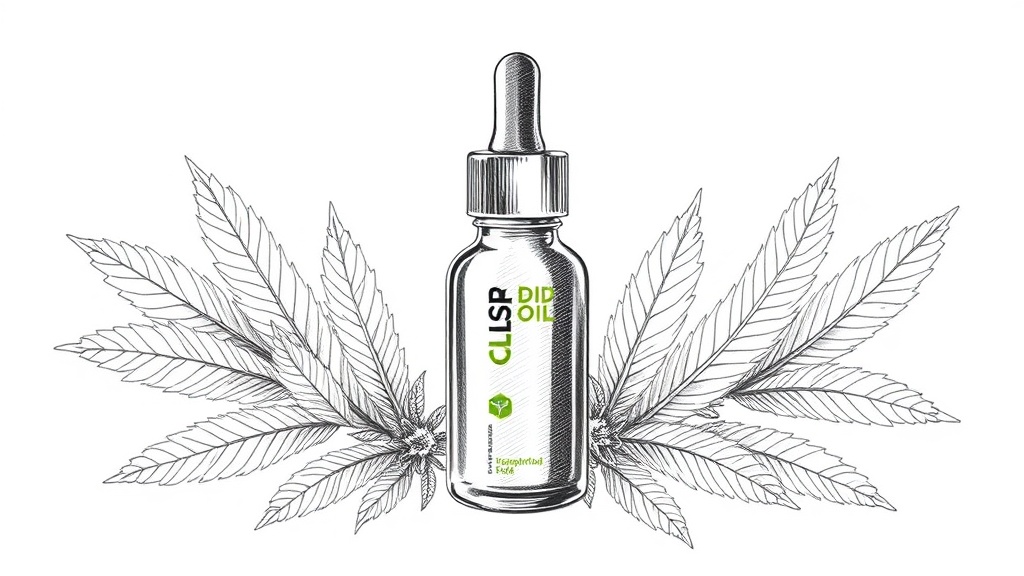
CBD oil is an extract from the hemp plant that contains cannabidiol (CBD), a non-intoxicating compound distinct from THC. It’s used by many people to support relaxation, sleep, occasional discomfort, and overall wellness. Products range from tinctures and capsules to topicals and vape liquids, so choose a format that fits your lifestyle and goals.
Choosing the right type: full-spectrum, broad-spectrum, isolate
– Full-spectrum: contains CBD plus trace cannabinoids, terpenes, and small amounts of THC.
Many users prefer it for the “entourage effect,” the theory that plant compounds work better together.
– Broad-spectrum: similar to full-spectrum but with THC removed, offering many of the same plant compounds without detectable THC.
– Isolate: pure CBD with no other cannabinoids or terpenes. Good for users who want to avoid THC entirely.
Quality matters: what to look for on labels
High-quality CBD starts with good hemp farming and clean extraction. Look for:
– Third-party lab reports (COAs) that confirm potency and screen for pesticides, heavy metals, solvents, and microbial contaminants.
– Clear cannabinoid content (mg per bottle and mg per serving).
– Extraction method listed—CO2 extraction is widely regarded as a clean, efficient method.
– Source information about hemp origin; reputable brands disclose cultivation practices and whether hemp is organic or non-GMO.
Administration and bioavailability
How you take CBD affects how quickly it works and how much is available to your body:
– Sublingual tinctures: placed under the tongue for faster absorption and higher bioavailability than edibles.
– Capsules/edibles: convenient and discreet but subject to digestion, which lowers bioavailability and delays onset.
– Topicals: useful for localized support (muscle or joint areas), with minimal systemic absorption.
– Vaping: rapid onset but not recommended for everyone due to respiratory concerns and variability in vape products.
Safe dosing and interactions
There’s no one-size-fits-all dose.
A practical approach is to start low and go slow: begin with a small dose (for example, single-digit milligrams) and increase gradually until you reach the desired effect. Keep a simple log of dose and how you feel.
CBD can interact with certain medications by affecting liver enzymes (CYP450 system). This is especially relevant for blood thinners, some anti-seizure medications, and certain antidepressants. Consult a healthcare professional before starting CBD if you take prescription meds.
Possible side effects
Common, typically mild effects include dry mouth, drowsiness, changes in appetite, and diarrhea. Rarely, CBD may affect liver enzymes; this is why baseline and follow-up blood tests are sometimes recommended when large doses are used under medical supervision.
Practical buying tips
– Prioritize products with transparent lab reports and clear dosing information.
– Avoid products that make unsubstantiated medical claims.
– Favor established brands that provide batch numbers and customer support.
– If workplace drug testing is a concern, choose broad-spectrum or isolate products and verify THC levels via COA.
Final note on legality
Legal status varies widely by jurisdiction and may hinge on THC content and the source of the hemp. Verify local regulations before purchasing or traveling with CBD products.
Using CBD thoughtfully—selecting clean products, starting with a low dose, and checking for drug interactions—helps you get the most from this widely used hemp extract while minimizing risk.