Cannabis continues to evolve from underground culture into a sophisticated market driven by science, wellness trends, and changing laws. Whether you’re curious about therapeutic options, interested in new consumption methods, or managing personal use responsibly, understanding the plant and the market helps you make safer, smarter choices.
Understanding the plant
Cannabis is a complex botanical system with hundreds of active compounds. THC and CBD are the most familiar, but other cannabinoids like CBN and THCV, plus a wide array of terpenes, shape effects and benefits. The “entourage effect” refers to how these compounds interact — whole-plant products can produce different results than isolated extracts.
Choosing the right product
Start with your goal: symptom relief, relaxation, creativity, or sleep. For symptomatic support without intoxication, CBD-dominant products and low-THC formulations are common choices. If you’re aiming for psychoactive effects, pay attention to THC potency, terpene profile, and consumption method. Always prioritize products that show transparent lab testing for cannabinoid content, pesticides, heavy metals, and solvents.
Consumption methods and what to expect
– Smoking and vaping deliver rapid onset and are easy to titrate, but inhalation carries respiratory risks. Opt for regulated products and avoid unregulated cartridges.
– Edibles produce longer-lasting, delayed effects and are easy to overconsume. Start with a low dose and wait long enough before taking more.
– Tinctures and sublinguals offer moderate onset with clearer dosing control.
– Topicals provide localized relief without psychoactive effects.
Microdosing and dosing tips
Microdosing involves taking very small amounts of THC to gain subtle benefits like reduced anxiety or improved mood without impairment.
The general principle is “start low and go slow”: take a small dose, wait to assess effects for the full onset window of the chosen method, then adjust gradually. Keep a simple log to track dose and effects.
Terpenes and strain selection
Terpenes contribute aroma and may influence the subjective experience. Myrcene tends toward sedative qualities, limonene is often uplifting, and linalool is associated with relaxation. Rather than relying solely on strain names, review lab panels and terpene profiles for a clearer idea of likely effects.
Safety, interactions, and legal considerations
Cannabis interacts with certain medications and can cause adverse effects for people with specific health conditions. Avoid use during pregnancy or breastfeeding and abstain from operating vehicles or heavy machinery while impaired.
Laws vary widely by jurisdiction; always confirm local regulations before purchasing, transporting, or using cannabis.
Sustainability and quality
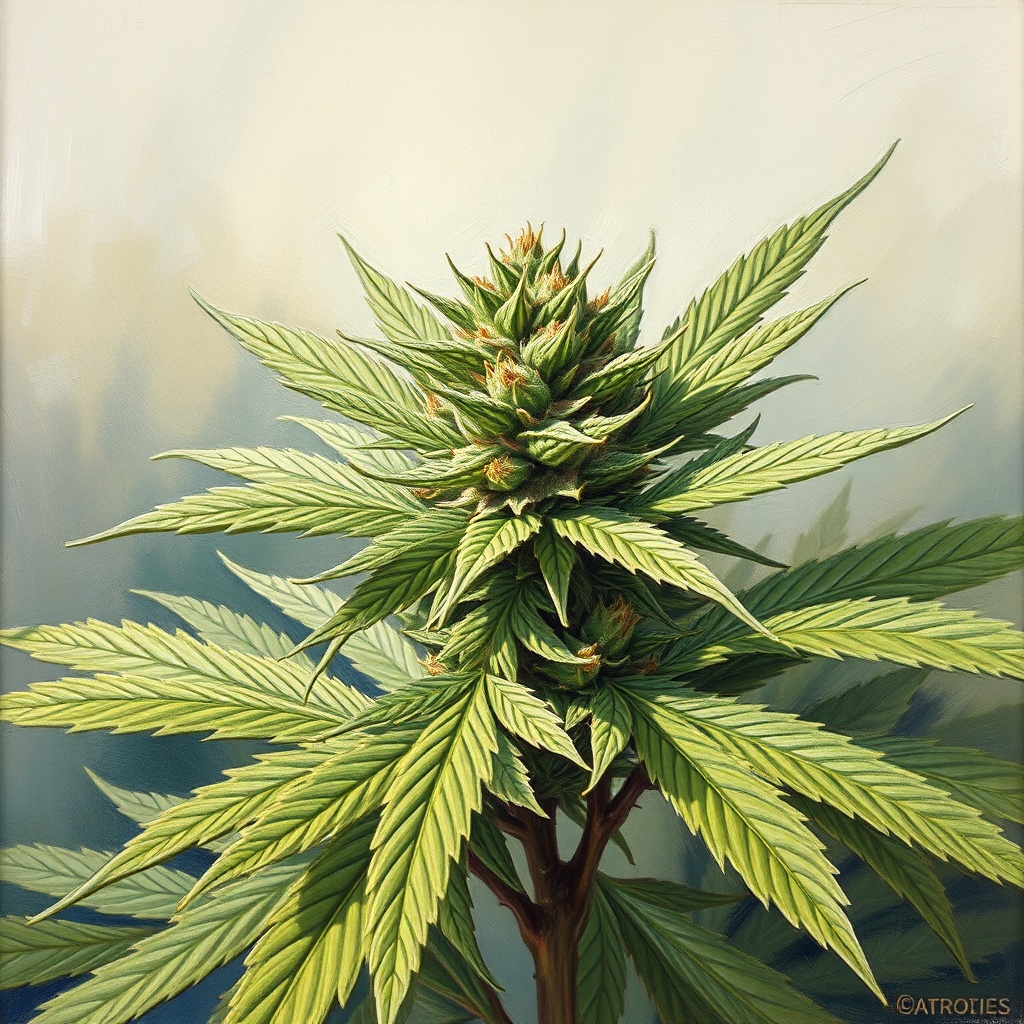
Sustainable cultivation practices are gaining traction. Look for products from growers practicing organic or regenerative methods, solventless extraction, and minimal packaging waste. Certifications and transparent supply chains add confidence in quality and environmental stewardship.
Finding trustworthy advice
Rely on licensed dispensaries, independent lab reports, and healthcare professionals knowledgeable about cannabis. Peer-reviewed research and reputable health resources can provide balanced information about risks and benefits.
Whether exploring cannabis for wellness or recreation, informed choices come from understanding product composition, realistic dosing, safety precautions, and legal frameworks. Start small, verify quality, and adapt based on personal response to achieve the best outcomes.