Modern Cannabis: How to Choose Products, Use Safely, and Understand Effects
Cannabis is part of everyday conversation more than ever, with expanding access, a wider variety of products, and growing interest in medical uses. Navigating options—flower, vapes, edibles, tinctures, and topicals—means understanding how each delivers effects, how to dose responsibly, and how to stay safe.
Understanding THC vs CBD
THC is the main psychoactive compound that creates the “high.” CBD does not produce intoxication at typical doses and is often used for anxiety, inflammation, and seizure disorders. Products can contain THC alone, CBD alone, or a mix. Lab-tested products will list cannabinoid content in milligrams per serving and total potency; always check those labels.
Consumption methods and onset
– Inhalation (smoking or vaping): Fast onset—minutes—and easier to titrate. Effects usually peak quickly and subside sooner than edibles. Vaping can be convenient, but avoid unregulated cartridges and unknown additives; seek products with clear testing information.
– Edibles: Slower onset—often an hour or more—and longer-lasting effects. Start with a low dose and wait before taking more to avoid unwanted intensity.
– Tinctures and sublinguals: Faster than edibles but slower than inhalation; reasonable control over dosing.
– Topicals: Applied to skin for localized relief; generally non-intoxicating.
Dosing guidelines
A practical approach is “start low, go slow.” New users commonly begin with a low THC dose—many find 2.5–5 mg effective for mild effects—then adjust upward in small increments across sessions.
Keep a dosing log to track how different products and doses affect you.
For edibles, wait enough time after the first dose to judge effects before taking more.
Terpenes and the entourage effect
Terpenes are aromatic compounds that contribute to smell and may influence effects. Common terpenes include myrcene (earthy, sedating), limonene (citrus, uplifting), and pinene (pine, alertness). While research into the entourage effect—how cannabinoids and terpenes interact—is ongoing, terpene profiles can help guide product selection based on desired effects.
Safety and interactions
– Drug interactions: Cannabis can interact with prescription medications; consult a clinician if you take blood thinners, antidepressants, or other drugs.
– Avoid driving or operating heavy machinery while impaired.
– Keep products out of reach of children and pets; edibles can be mistaken for regular food.
– Be cautious with homemade or untested products. Avoid synthetic cannabinoids and unregulated additives that have been linked to severe lung injury.
Choosing quality products
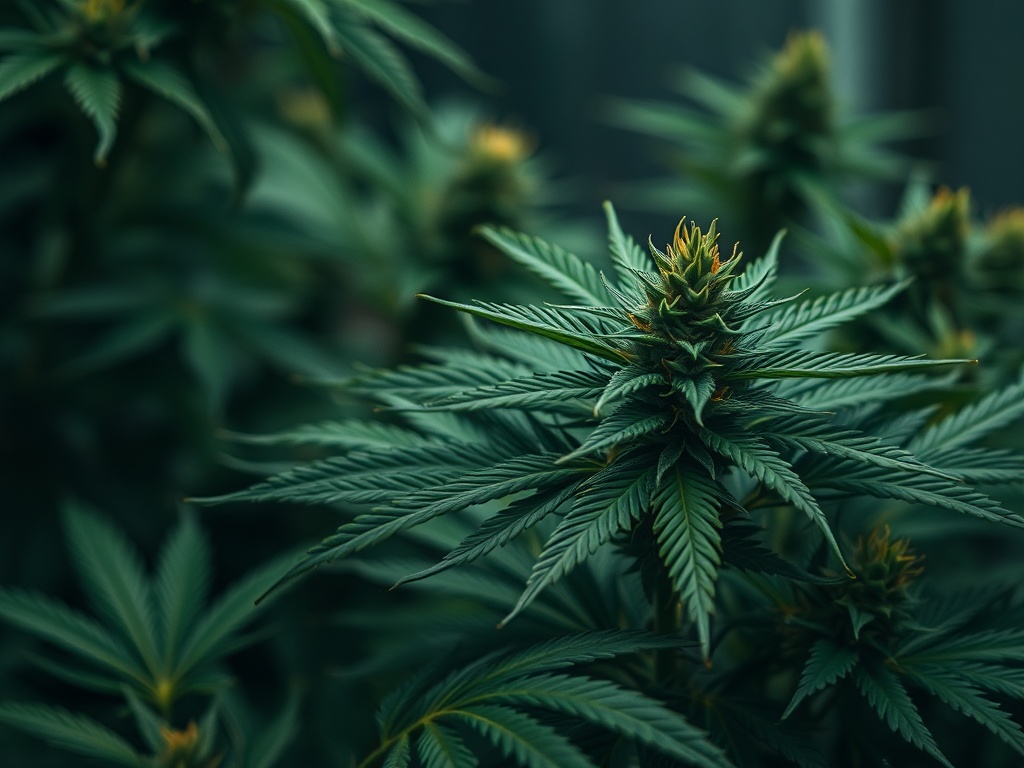
Buy from licensed retailers when possible. Look for third-party lab reports that confirm cannabinoid content and screen for contaminants such as pesticides, heavy metals, and microbial impurities. Clear labeling, batch numbers, and expiry or harvest information are signs of reputable producers.
Medical considerations
Cannabis-derived products are used for a range of symptoms, including chronic pain, nausea, and certain seizure disorders. Effectiveness varies by condition and individual. Always discuss therapeutic use with a healthcare provider, especially for those with chronic health conditions, pregnant or nursing people, and individuals taking other medications.
Storage and disposal
Store cannabis in airtight, light-resistant containers in a cool place to preserve potency and flavor. Dispose of unused or expired products responsibly according to local guidelines.
As the market matures, informed choices and cautious use help people maximize benefits while minimizing risks. Whether exploring cannabis for wellness or recreational use, educate yourself on product types, dosing, and safety to make choices that fit your needs.