Practical Guide to Cannabis: Dosage, Safety, and Choosing the Right Product
Understanding THC, CBD, and the entourage effect
Cannabis contains dozens of active compounds, with THC and CBD being the most well known.
THC is responsible for psychoactive effects; CBD is non-intoxicating and often sought for relaxation and symptom support.
Terpenes — aromatic compounds like myrcene, limonene, and pinene — influence aroma and may subtly affect the overall experience. The combined action of cannabinoids and terpenes is often called the entourage effect, a useful concept when selecting flower, concentrates, or full-spectrum products.
Choosing the right consumption method
How you consume cannabis affects onset, intensity, and duration. Common methods include:
– Smoking or vaping: Fast onset and easy titration.
Vaping at low temperatures preserves terpenes and can be gentler on the throat. Use reputable devices and avoid illicit or untested cartridges.
– Edibles: Delayed onset and longer duration. Effects can be stronger and harder to predict, so careful dosing is essential.
– Tinctures and sublinguals: Faster than edibles and more discreet. Allow absorption under the tongue for quicker onset.
– Topicals: Applied to skin for localized relief without significant psychoactive effects.
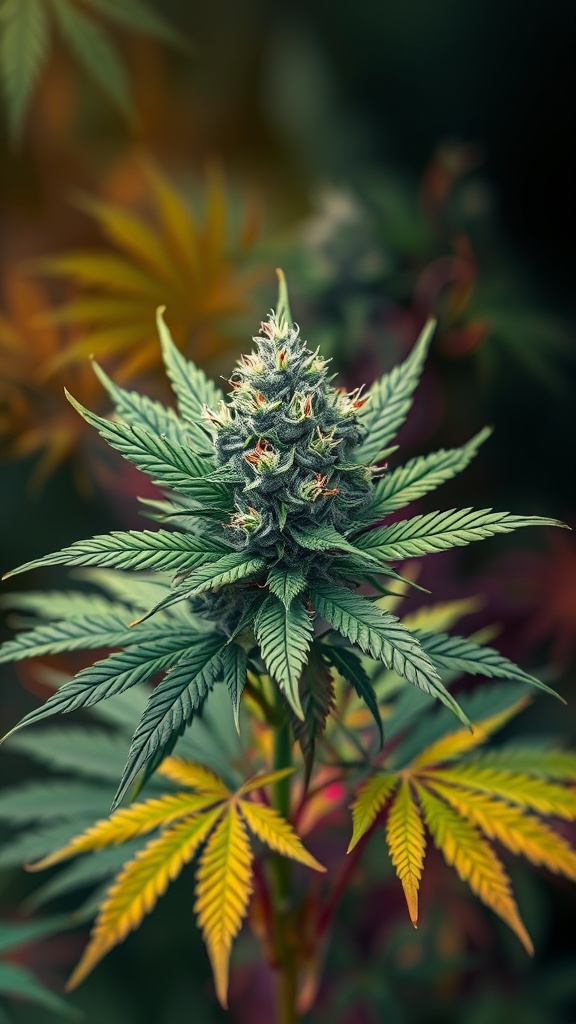
Each method suits different goals — social use, sleep, focused symptom management — so match your choice to desired effects and lifestyle.
Dosing: start low, go slow
A measured approach prevents uncomfortable experiences. New or infrequent users should begin with a low dose and wait for full onset before taking more. For inhalation, one or two small puffs can be enough to evaluate sensitivity. For edibles, start with a low milligram amount and wait at least two hours before increasing.
Keep a simple log of dose, product, and effects to refine your personal sweet spot over time.
Prioritize safety and testing
Product quality varies widely. Look for lab-tested items with clear cannabinoid and terpene profiles, and certificates of analysis (COAs) that confirm potency and absence of contaminants like pesticides, heavy metals, and residual solvents. Buying from regulated retailers reduces risk and improves transparency.
Store cannabis in a cool, dark, airtight container to preserve potency and terpenes.
Avoid exposure to light, oxygen, heat, and humidity, which degrade cannabinoids and encourage mold growth.
Keep all products out of reach of children and pets; edibles should be stored with particular caution.
Know the legal and health considerations
Laws around cannabis differ across regions — check local regulations for possession limits, permitted uses, and rules about driving under the influence. Combining cannabis with alcohol or certain medications can intensify effects or cause interactions; consult a healthcare professional if you’re taking prescribed drugs or have underlying health conditions. If mental health concerns are present, approach cannabis use cautiously and seek professional guidance.
Smart shopping and storage tips
– Read labels carefully for cannabinoid content and serving size.
– Favor single-ingredient or minimally processed items if you’re avoiding additives.
– Keep a dedicated storage container that’s child-resistant and prevents moisture.
– When trying new formats or strains, buy small quantities to test compatibility before committing to larger purchases.
Responsible consumption enhances enjoyment and reduces risks. With informed choices about product selection, dosing, and storage, cannabis can be integrated thoughtfully into wellness routines or recreational use while prioritizing safety and legal compliance.