CBD Oil: What to Know Before You Buy and Use
What CBD oil is and how it works
CBD (cannabidiol) is a non-intoxicating compound found in hemp and cannabis plants. Unlike THC, CBD does not produce a “high.” It interacts with the body’s endocannabinoid system, which helps regulate sleep, mood, pain, and immune responses.
People use CBD oil for a variety of wellness goals, including easing occasional stress, supporting sleep, and managing mild aches, though evidence quality varies by condition.
Choosing the right type: full-spectrum, broad-spectrum, or isolate
– Full-spectrum: contains CBD plus trace cannabinoids, terpenes, and often trace THC within legal limits. Many users prefer it for the potential “entourage effect,” where compounds work together.
– Broad-spectrum: similar benefits but with THC removed, appealing to those who want multiple cannabinoids without THC.
– Isolate: pure CBD with no other cannabinoids or terpenes, useful for users who need a THC-free product.
Quality indicators to look for
– Third-party lab reports (COAs): Verify cannabinoid potency and check for contaminants like heavy metals, pesticides, solvents, and microbes. COAs should be readily available on the brand’s site or by request.
– Extraction method: CO2 extraction is widely regarded as clean and efficient. Solvent-based methods can be okay if done properly, but check the COA for residual solvents.
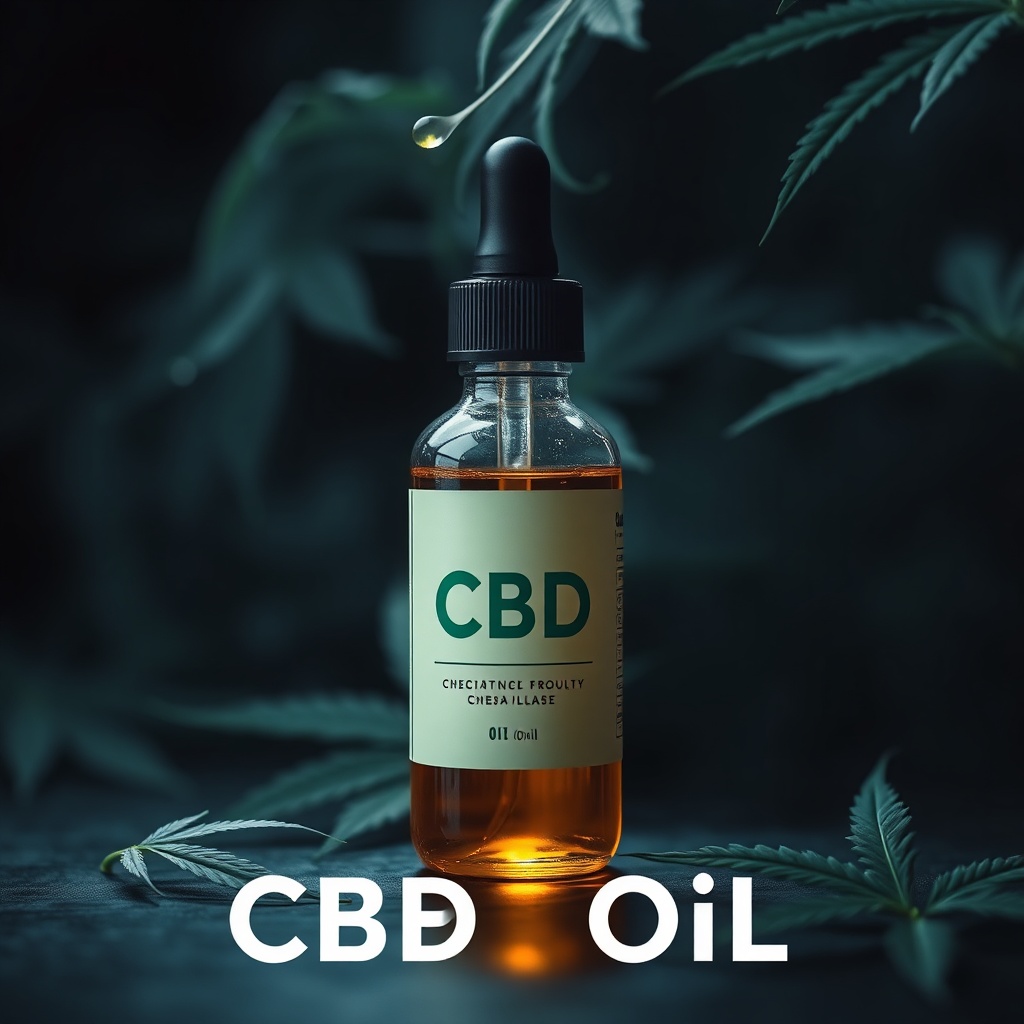
– Hemp source: Look for products made from organic or sustainably farmed hemp. Location and farming practices can affect contaminant risk.
– Transparent labeling: Serving size, CBD per serving, ingredient list, and batch/lot numbers are essential.
Forms and how to use them
– Tinctures/sublingual drops: Fast absorption under the tongue; dosing is flexible.
– Capsules and softgels: Convenient and consistent dosing; slower onset due to digestion.
– Edibles and gummies: Discreet and tasty but take longer to take effect.
– Vapes: Rapid onset but carry potential lung risks; choose high-quality formulations and devices.
– Topicals: Creams, balms, and patches applied to the skin for localized relief.
Dosing tips and safety
Start low and go slow. A common approach is to begin with a small dose and gradually increase until the desired effect is achieved. Individual response varies by body weight, metabolism, and the condition being addressed.
Possible side effects include dry mouth, drowsiness, digestive upset, and changes in appetite.
Be cautious about drug interactions. CBD can affect liver enzymes in the CYP450 family, altering how some prescription medications are metabolized. Consult a healthcare professional before combining CBD with other drugs, especially blood thinners, anticonvulsants, or medications with narrow therapeutic windows. Pregnant or breastfeeding people should avoid CBD unless advised otherwise by a medical provider.
Legality considerations
Hemp-derived CBD products with THC below the commonly recognized threshold are widely available, but local and state regulations differ.
Cannabis-derived CBD may be subject to stricter rules or require access via licensed dispensaries. Check local laws and retailer compliance before purchasing.
Final guidance for buyers
Prioritize quality over cheap price. A transparent brand with accessible COAs, clear labeling, and responsible sourcing is more trustworthy.
Store CBD oil in a cool, dark place to preserve potency, and keep it out of reach of children and pets. For personalized advice—particularly if you take medications or have a medical condition—consult a qualified healthcare professional.