CBD oil remains one of the most discussed natural wellness products, and for good reason: it offers potential benefits for pain, sleep, and stress without the intoxicating effects associated with THC. Understanding what CBD oil is, how it works, and how to choose a high-quality product helps you make safer, smarter choices.
What CBD oil is and how it’s made
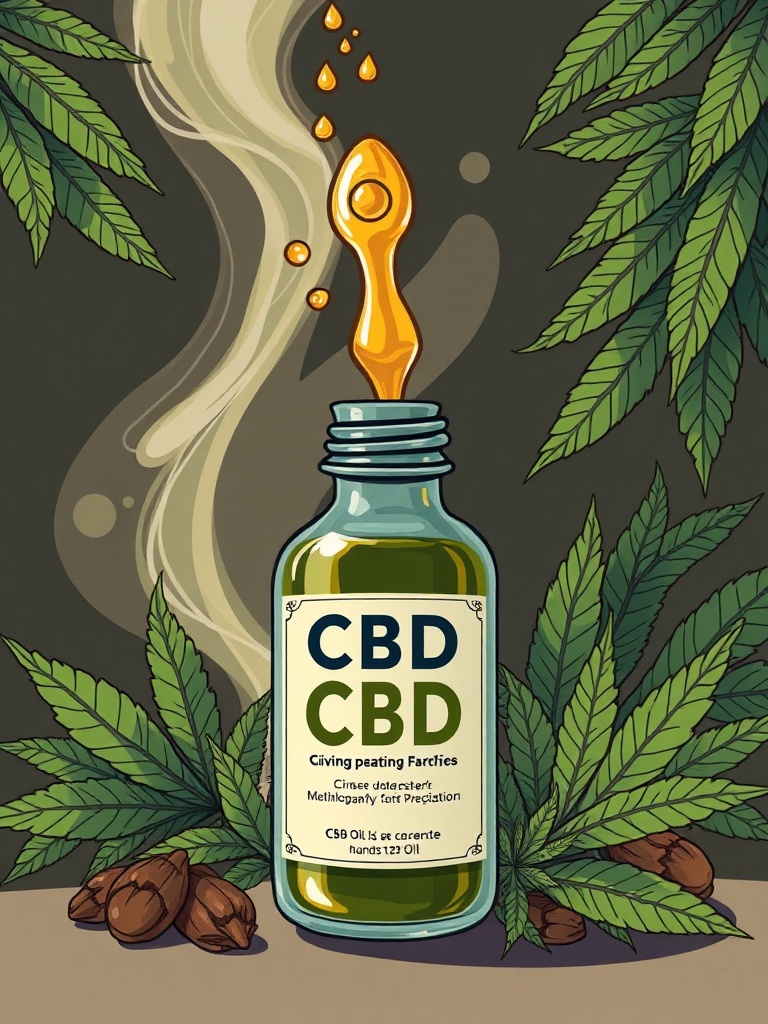
CBD (cannabidiol) is a compound found in hemp and cannabis plants. CBD oil typically combines a concentrated extract of CBD with a carrier oil such as MCT (fractionated coconut oil), hemp seed oil, or olive oil.
Extraction methods matter: CO2 extraction is widely regarded as clean and efficient, while solvent-based extraction can leave residues when not properly performed. Third-party lab testing helps verify both potency and purity.
Types of CBD oil
– Full-spectrum: Contains CBD plus other cannabinoids, terpenes, and trace amounts of THC.
Many people prefer full-spectrum for the “entourage effect,” where compounds work together.
– Broad-spectrum: Includes multiple cannabinoids and terpenes but no detectable THC—an option for those who want the entourage effect without THC exposure.
– CBD isolate: Pure CBD with no other cannabinoids or terpenes.
Useful when THC must be avoided entirely, though some users find it less effective than full- or broad-spectrum formulas.
Common uses and supporting evidence
People use CBD oil for a range of concerns.
Clinical and anecdotal evidence suggests promise for:
– Pain and inflammation: CBD interacts with the body’s endocannabinoid system and may modulate pain signals and inflammatory responses.
– Anxiety and stress: Low-to-moderate CBD doses have been reported to reduce anxiety in some contexts.
– Sleep support: CBD can promote relaxation that helps with falling asleep, especially when anxiety or pain interfere with rest.
Research is evolving, and results vary by condition and individual.
Effective dosing, product quality, and consistent use influence outcomes.
Safety, dosing, and interactions
Start low and go slow: begin with a small dose and increase gradually until you notice desired effects. Typical starting strategies use a few milligrams per dose, adjusted for body weight and symptom severity. Speak with a healthcare professional before starting CBD if you take prescription medications—CBD can affect liver enzymes (CYP450) and alter how some drugs are metabolized.
Pregnant or breastfeeding individuals should avoid CBD unless directed otherwise by a medical provider.
Side effects are generally mild but can include drowsiness, dry mouth, reduced appetite, or digestive upset. Discontinue use and consult a clinician if you experience adverse reactions.
How to choose a quality product
– Look for a Certificate of Analysis (COA) from an independent lab that confirms CBD and THC levels and screens for contaminants (heavy metals, pesticides, mold, residual solvents).
– Prefer CO2-extracted products and reputable carriers like MCT oil.
– Check cannabinoid profile: full-spectrum, broad-spectrum, or isolate—pick based on your needs and THC tolerance.
– Verify transparent labeling with clear serving sizes and total CBD per bottle.
– Read customer reviews and research brand reputation.
Storage and best practices
Store CBD oil in a cool, dark place away from heat and sunlight.
Keep the dropper and bottle sealed to preserve potency. Use consistently and track how different doses affect symptoms to fine-tune use.
Legality and regulations
Legal status varies by country and region. Many jurisdictions permit hemp-derived CBD with very low THC levels, but rules differ and are subject to change, so check local regulations before purchasing or traveling with CBD products.
Making an informed choice about CBD oil starts with product quality, realistic expectations, and medical guidance when needed. With careful selection and responsible use, CBD oil can be a useful tool in a broader wellness routine.