CBD oil has moved from niche wellness circles into mainstream use, and understanding how to pick, use, and store it helps buyers get consistent results. This guide covers practical facts about CBD oil, how it differs from other CBD products, safety considerations, and smart buying tips.
What is CBD oil?
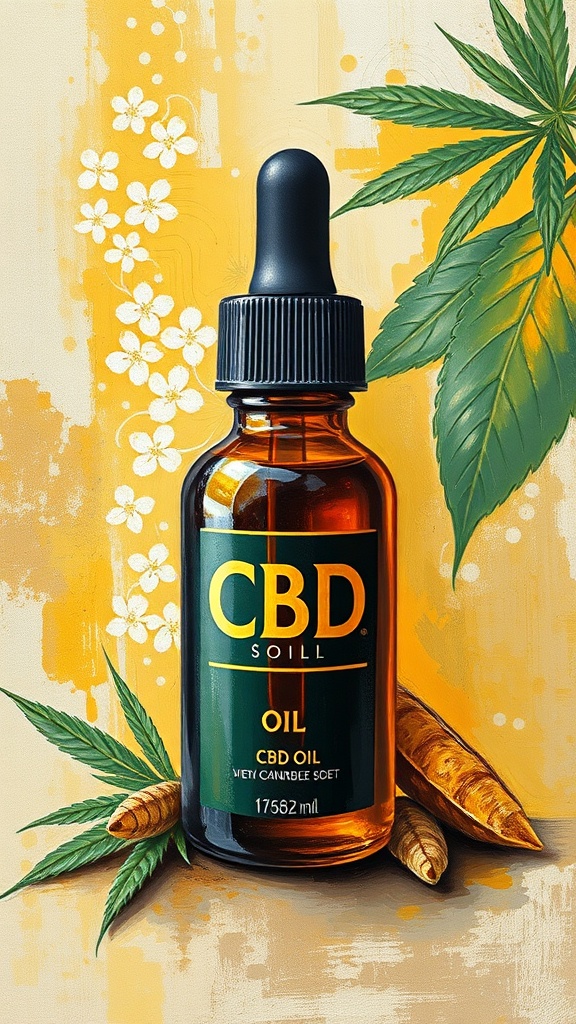
CBD (cannabidiol) oil is a hemp-derived extract blended with a carrier oil such as MCT (fractionated coconut oil) or hemp seed oil.
Unlike THC, CBD is non-intoxicating and is commonly used for its reported calming, sleep-supporting, and recovery-oriented effects. Products vary widely in cannabinoid profile, potency, and purity.
Types of CBD oil
– Full-spectrum: Contains CBD plus other hemp cannabinoids, terpenes, and trace THC. Often prized for the “entourage effect,” where compounds may work synergistically.
– Broad-spectrum: Includes multiple cannabinoids and terpenes but is processed to remove THC.
– CBD isolate: Pure CBD with no other cannabinoids or terpenes.
Delivery methods and bioavailability
Tinctures (sublingual drops) provide relatively fast absorption when held under the tongue for 30–90 seconds. Capsules and edibles are convenient for consistent dosing but pass through digestion, reducing bioavailability and delaying effects.
Topicals target localized issues like muscle soreness or skin conditions but generally don’t enter the bloodstream.
Vaping delivers rapid effects but carries inhalation risks and may not be recommended for everyone.
Safety and interactions
CBD is generally well tolerated, but side effects can include drowsiness, dry mouth, appetite changes, and digestive upset. CBD can interact with medications metabolized by liver enzymes (CYP450 system), including certain blood thinners and seizure medications. Anyone taking prescription drugs should consult a healthcare professional before using CBD.
Lab testing and product quality
Look for third-party lab reports (Certificates of Analysis) that confirm cannabinoid potency and screen for contaminants such as pesticides, heavy metals, and residual solvents.
Verify:
– Potency matches label claims (mg per bottle and mg per serving)
– THC levels are within legal limits for hemp-derived products (commonly capped at 0.3% in many regions)
– Tests are current and from an accredited lab
Extraction methods and carrier oils
CO2 extraction is widely regarded as a clean, efficient method that preserves cannabinoid and terpene profiles. Ethanol extraction is also common but varies by producer. Carrier oils affect flavor and absorption—MCT oil is odorless and may increase bioavailability, while hemp seed oil preserves a nutty flavor and aligns with a whole-plant ethos.
Dosing basics
There’s no one-size-fits-all dose. Start with a low dose and increase gradually until the desired effect is achieved. Pay attention to mg of CBD per serving rather than percentage of the product. Keep a simple log of dose, time, and effects to refine your routine.
Storage and shelf life
Store CBD oil in a cool, dark place in a tightly sealed container to prevent oxidation. Properly stored oils typically remain stable for one to two years, depending on formulation and additives.
Buying tips checklist
– Verify third-party lab reports and potency
– Choose products with clear labeling (total mg CBD per bottle and per serving)
– Prefer CO2-extracted full- or broad-spectrum products if seeking full-plant benefits
– Avoid brands that make unproven medical claims
– Start with a low dose and monitor effects
CBD oil can be a useful addition to a wellness routine when chosen carefully and used responsibly. Prioritize transparency, lab testing, and consultation with a healthcare professional if you have medical concerns or take prescription medications.