Cannabis is reshaping wellness, medicine, and consumer culture as more people explore its potential beyond recreation. Whether you’re curious about cannabinoids, shopping for reliable products, or considering cannabis for symptom relief, knowing how compounds, consumption methods, and regulation interact helps you make safer, smarter choices.
What’s in the plant: cannabinoids and terpenes
Cannabis contains hundreds of compounds, but a few drive most effects. THC produces the classic psychoactive high and can relieve pain, stimulate appetite, and reduce nausea.
CBD does not cause intoxication and is widely used for anxiety relief, sleep support, and as an adjunct for certain seizure disorders.
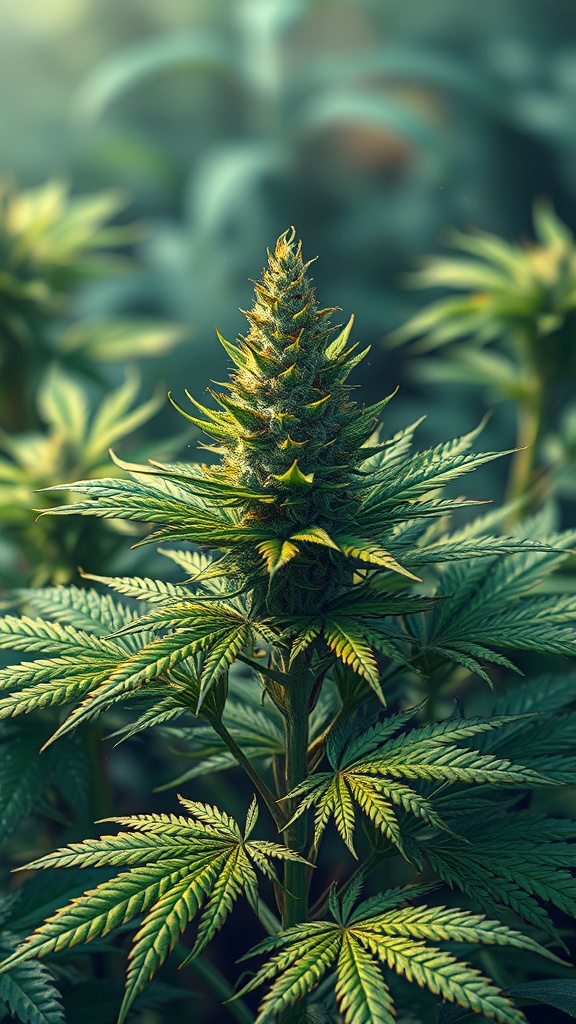
Lesser-known cannabinoids like CBG and CBN are gaining attention for possible anti-inflammatory and sleep-promoting properties.
Terpenes—aromatic oils that give strains their scent—modulate effects and consumer experience. Limonene can promote an uplifting feeling, myrcene may support relaxation, and linalool is associated with calming effects. When shopping, look for terpene profiles as well as cannabinoid ratios to match desired outcomes.
Choosing a consumption method
Onset and duration vary dramatically by method:
– Inhalation (smoking or vaping): fast onset, short duration.
Good for acute symptom relief but prioritize tested, reputable products to avoid contaminants.
– Sublinguals and tinctures: moderate onset, easier dose control.
– Edibles: slow onset and long duration; start with a low dose and wait ample time before re-dosing.
– Topicals: localized relief without intoxication, helpful for muscle or joint discomfort.
Start low, go slow
Responsible dosing is essential. Begin with a small dose, especially with edibles or high-THC products. Microdosing—taking very low doses to gain benefits without impairment—is popular among people seeking clarity and symptom control without a pronounced high.
Safety and product quality
Buy from licensed retailers when possible. Look for third-party lab certificates that confirm cannabinoid content and test for pesticides, residual solvents, and heavy metals. Avoid black-market products and untested vape cartridges; certain additives have been linked to lung injury in illicit products. Keep cannabis stored in child-resistant containers, away from pets, and out of reach.
Medical considerations and legality
Cannabis may help with chronic pain, chemotherapy-induced nausea, muscle spasticity, and certain seizure disorders, among other conditions. Discuss use with a healthcare provider, especially when combining cannabis with prescription medications, as interactions can occur.
Legal frameworks vary by jurisdiction. Some areas allow regulated adult use, others permit medical access only, and hemp-derived products with minimal THC are sold more widely. Employment policies and drug testing can still penalize THC use; plan accordingly if workplace tests are a concern. Driving under the influence of cannabis is unsafe and illegal in many places—avoid operating vehicles or heavy machinery while impaired.
Trends to watch
Consumers increasingly seek transparency and craft-focused products: terpene-forward, lab-verified extracts, and low-dose options designed for daytime functionality.
The wellness market is also expanding with functional formulations that combine cannabinoids, terpenes, and adaptogens to target sleep, stress, and recovery.
Making informed choices
Prioritize product testing, clear labeling, and reputable vendors. Match product type and dose to your goals, and consult a knowledgeable clinician if you have health conditions or take other medications. With thoughtful use and attention to quality, cannabis can be part of a balanced wellness toolkit.