Smart Cannabis Use: Potency, Terpenes, and Responsible Consumption
Cannabis continues to evolve as a mainstream wellness and recreational option, and understanding how to use it safely and effectively pays off whether you’re curious about CBD, experimenting with microdoses, or choosing a product at the dispensary. Focus on potency, terpenes, delivery method, and safety to get predictable results and reduce unwanted effects.
Know the cannabinoids and what they do
THC and CBD are the most widely discussed cannabinoids. THC is psychoactive and responsible for impairment and euphoria; CBD is non-intoxicating for most people and is commonly used for relaxation and symptom management. Minor cannabinoids such as CBG and CBN are getting more attention for unique effects, but scientific evidence is still growing.
The idea of the entourage effect—where multiple cannabinoids and terpenes work together—helps explain why whole-plant products can feel different from isolated compounds.
Terpenes shape the experience
Terpenes are aromatic compounds that give cannabis strains floral, citrus, diesel, or pine notes. They can subtly influence effects — for example, myrcene is often associated with relaxed sensations, while limonene can feel uplifting. Look for terpene profiles on product labels or ask budtenders for strains that match the mood you want.
Match delivery method to your needs
Different consumption methods offer different onset times and duration:
– Inhalation (smoking, vaping): fast onset, shorter duration — useful for acute symptom relief and titration.
– Edibles: delayed onset and longer-lasting effects — start low and wait to avoid overconsumption.
– Sublinguals/tinctures: moderate onset, more predictable dosing than edibles.
– Topicals: localized effects without intoxication for pain or inflammation.
Choose the method that matches how quickly you want effects and how long you want them to last.
Dosing basics and microdosing
Start low and go slow. For oral products, beginners should begin with a small dose and wait long enough to observe effects before taking more. Microdosing—small, sub-perceptual amounts—can provide functional benefits like reduced anxiety or enhanced creativity without impairment. Keep a journal to track dose, product, and effects so you can fine-tune what works.
Safety, interactions, and impairment
Cannabis can interact with medications metabolized by the liver; people taking blood thinners, sedatives, or certain antidepressants should consult a healthcare professional.
Avoid combining cannabis with alcohol or other central nervous system depressants. Never drive or operate heavy machinery while impaired; impairment and reaction times are affected even when you feel “fine.”
Label accuracy, storage, and quality
Look for products that provide a full cannabinoid and terpene breakdown, third-party lab testing, and clear dosing instructions. Store cannabis in a cool, dark place away from children and pets to prevent accidental ingestion. Keep airtight containers to preserve freshness and potency.
Responsible cultivation and compliance
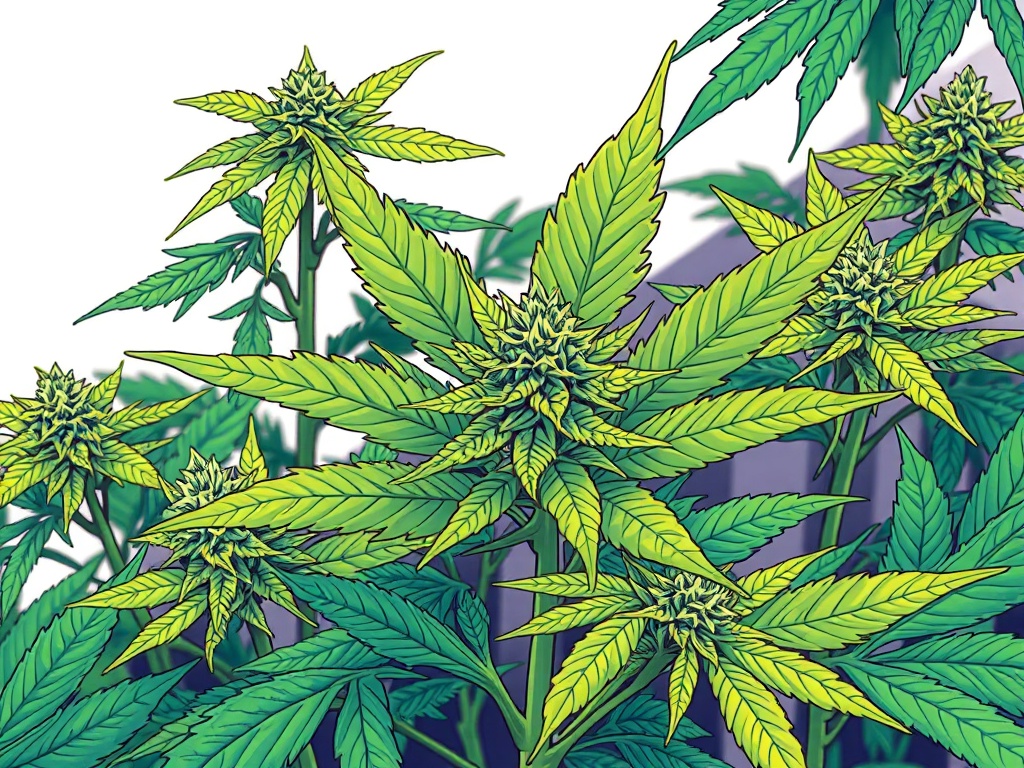
If growing at home, prioritize secure storage, pest management, and compliance with local rules. Responsible cultivation includes using tested soil, monitoring for mold or pests, and following local guidelines for plant counts and visibility.
Practical tips at a glance
– Start with low doses and wait to assess effects—especially with edibles.
– Choose a delivery method that fits onset/duration needs.
– Read lab reports: look for cannabinoid and terpene profiles plus contaminant testing.
– Keep products out of reach of children and pets.
– Talk to a healthcare provider about medication interactions and health concerns.
Whether you’re exploring cannabis for wellness or recreation, informed choices reduce risk and improve the experience. Prioritize quality, clear dosing, and safety to make cannabis a reliable part of your routine.