Marijuana remains one of the most discussed and evolving topics in health, law, and lifestyle circles. Whether you’re curious about medical uses, recreational options, or safe consumption, understanding how cannabis works and how to use it responsibly is essential.
What marijuana is and how it works
Marijuana (cannabis) contains many active compounds, with THC and CBD being the most familiar. THC produces psychoactive effects like euphoria and altered perception, while CBD is non-intoxicating and is sought for its potential calming and anti-inflammatory properties. Other cannabinoids and terpenes contribute to a strain’s overall effects, flavor, and aroma.
Common product types
– Flower: the raw dried bud; smoked or vaporized.
– Vapes and concentrates: potent extracts for patients seeking strong effects with small doses.
– Edibles: food-based products that deliver effects slower but longer-lasting.
– Tinctures and sublinguals: liquid extracts absorbed under the tongue for a faster onset than edibles.
– Topicals: creams and balms applied to the skin for localized relief without psychoactive effects.
Safety and dosing
“Start low and go slow” remains the safest approach, especially for inexperienced users or when trying a new product. For inhaled forms, effects can be felt within minutes and peak quickly. For edibles, effects may take an hour or more to appear and can last much longer, so avoid taking additional doses until you understand the product’s full effect.
Be mindful of potency—lab-tested products will list THC and CBD content. High-THC concentrates can produce intense experiences and increase the risk of anxiety or unpleasant side effects.
People with underlying mental health conditions, those taking certain medications, pregnant or breastfeeding individuals, and adolescents should consult a healthcare professional before using cannabis.
Harm reduction tips
– Use lab-tested products with clear potency labels.
– Avoid driving or operating heavy machinery after use.
– If trying edibles, wait at least two hours before consuming more.
– Keep all cannabis products locked away and out of reach of children and pets.
– Avoid unregulated or black-market vape cartridges; past reports linked illicit products to serious lung injury.
– Consider lower-THC or higher-CBD options if you want milder effects.
Medical uses and consultation
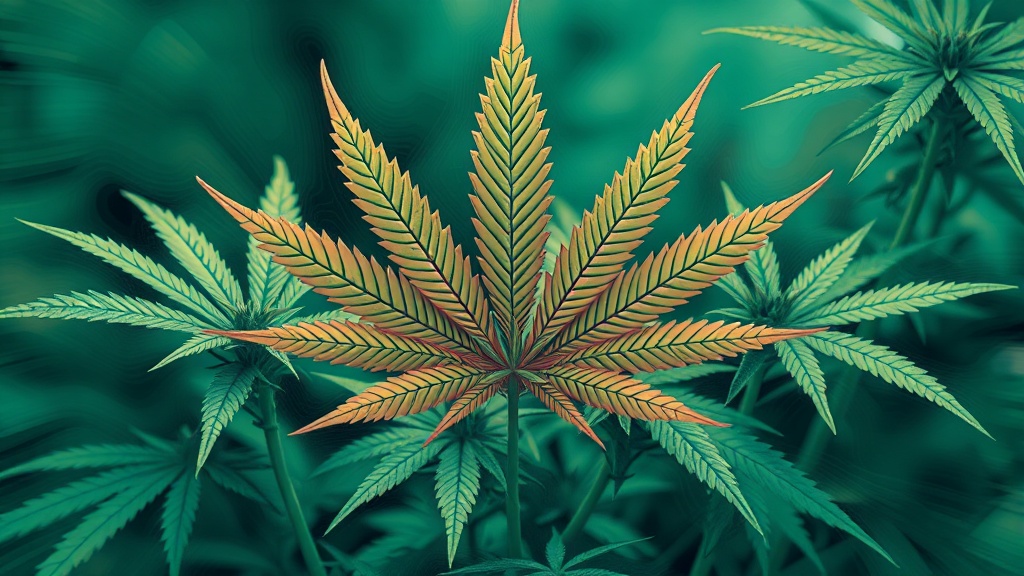
Many people use medical cannabis for chronic pain, nausea, muscle spasticity, and certain mood or anxiety symptoms.
Clinical evidence varies by condition and formulation, so discuss options with a healthcare provider who understands cannabis pharmacology and potential drug interactions. A clinician can advise on dosing, delivery method, and monitoring.
Legal and workplace considerations
Laws governing cannabis vary by jurisdiction and remain a complex area.
Even where personal use is permitted, restrictions often apply to possession limits, public use, and employment policies.
Traveling across borders with cannabis products can carry legal risk.
Check local laws before purchasing or transporting cannabis and review employer policies regarding drug testing.
Storage and quality
Store cannabis in a cool, dark, airtight container to preserve freshness and potency. Keep packaging labeled and retain any lab-test information for reference. Avoid exposing products to heat, light, or humidity that can degrade cannabinoids and terpenes.
Whether you’re exploring cannabis for wellness or recreation, informed choices and responsible practices help maximize benefits while minimizing risks. For personalized guidance, consult licensed healthcare providers and stay aware of local regulations.