CBD Oil: Uses, Safety, and How to Choose Quality Products
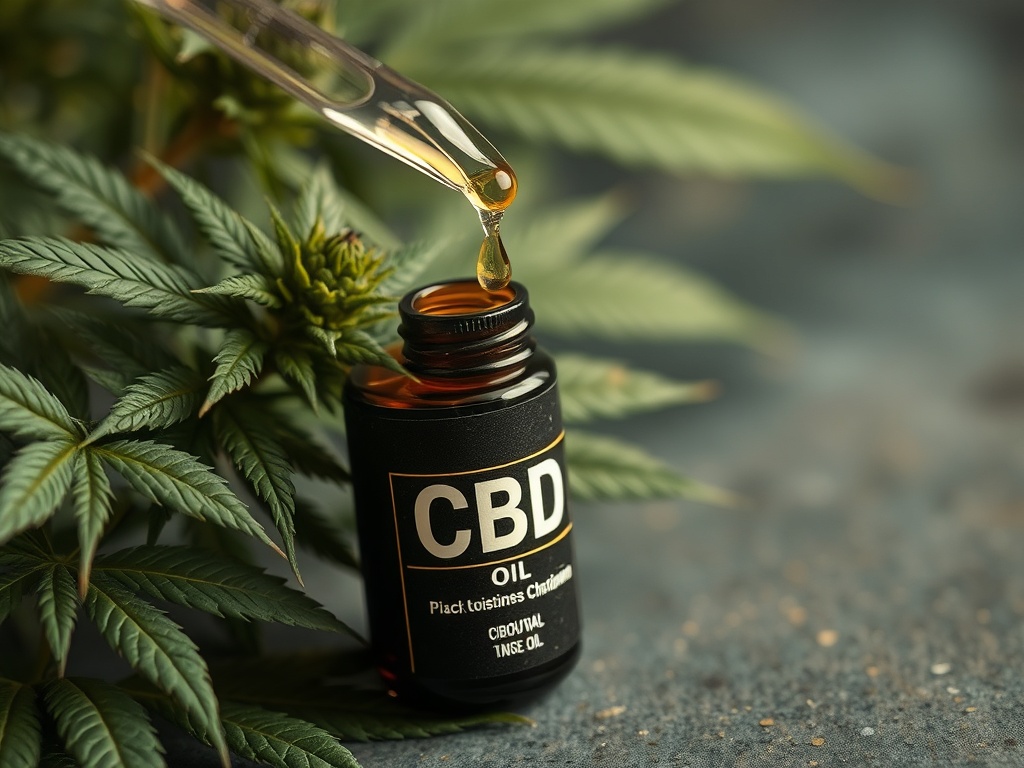
What is CBD oil?
CBD (cannabidiol) oil is a concentrated extract from hemp or cannabis plants blended with a carrier oil such as MCT, hemp seed, or olive oil. Unlike THC, CBD does not produce an intoxicating “high.” It interacts with the body’s endocannabinoid system and other receptors, which may influence mood, sleep, pain perception, and inflammation.
Potential benefits and what the evidence says
Research and user reports suggest CBD may help with anxiety, sleep disturbances, chronic pain, and inflammation. Some clinical studies support specific uses, while other areas remain under investigation. Keep expectations realistic: CBD is not a cure-all, and individual responses vary. People often find symptom relief for everyday stress, mild sleep issues, or joint discomfort, but outcomes depend on product quality, dosage, and consistency.
Safety, side effects, and interactions
CBD is generally well tolerated, but some people experience dry mouth, drowsiness, gastrointestinal upset, or changes in appetite. CBD can interact with several medications metabolized by the liver’s enzyme systems — notably blood thinners and certain anticonvulsants. If you take prescription medications, consult a healthcare professional before using CBD.
Avoid operating heavy machinery or driving until you know how a product affects you.
Types of CBD products
– Full-spectrum: Contains CBD plus other cannabinoids, terpenes, and trace THC (kept within legal limits in many regions). The combination may produce an “entourage effect,” where compounds work synergistically.
– Broad-spectrum: Similar to full-spectrum but with THC removed, offering multiple plant compounds without detectable THC.
– Isolate: Pure CBD with no other cannabinoids or terpenes.
Delivery formats include tinctures (sublingual drops), capsules, edibles, vapes, topicals, and transdermal patches. Sublingual tinctures often offer faster absorption than edibles; vaping produces rapid effects but carries respiratory risks. Topicals target localized discomfort without producing systemic effects.
How to choose high-quality CBD oil
– Third-party lab testing: Look for a Certificate of Analysis (COA) from an independent lab verifying potency and confirming the absence of contaminants such as pesticides, heavy metals, and solvents.
– Clear labeling: The product should list CBD concentration per serving, serving size, full ingredient list, batch number, and manufacturer contact information.
– Extraction method: CO2 extraction is widely regarded as a clean, efficient method; ethanol extraction is common too.
Avoid products that don’t disclose their extraction process.
– Source of hemp: Reputable brands use hemp grown under regulated practices and provide transparency about cultivation.
– Full-spectrum vs. isolate: Choose based on tolerance for trace THC and preference for potential entourage benefits.
– Reputation and reviews: Check verified customer reviews, return policies, and the brand’s customer service responsiveness.
Dosing tips
Start low and go slow. A common starting point for many people is a low daily dose (for example, a few milligrams) and increase gradually while monitoring effects.
Dosing depends on body weight, individual sensitivity, the condition being addressed, and product potency.
Track your dose, timing, and any changes in symptoms to find the minimal effective dose.
Legal considerations
Laws vary between regions; some jurisdictions allow hemp-derived CBD with only trace THC, while others have stricter rules. Verify local regulations before purchasing or traveling with CBD products.
Final guidance
Choose transparent brands with third-party testing, start with a low dose, and consult a healthcare provider if you’re taking medications or have health concerns. With careful selection and realistic expectations, CBD oil can be a useful option for many people seeking non-intoxicating support for everyday wellness.