CBD oil continues to attract attention as people look for natural ways to manage pain, anxiety, sleep issues, and other common concerns.
With a growing market and evolving research, it’s important to separate facts from hype and know how to choose and use products safely.
What CBD oil is and how it works
CBD (cannabidiol) is a non-intoxicating compound found in hemp plants. Unlike THC, it doesn’t produce a high. CBD interacts with the body’s endocannabinoid system and other receptors involved in mood, pain signaling, and inflammation, which may explain why some users report relief for a range of symptoms.
Forms and delivery methods
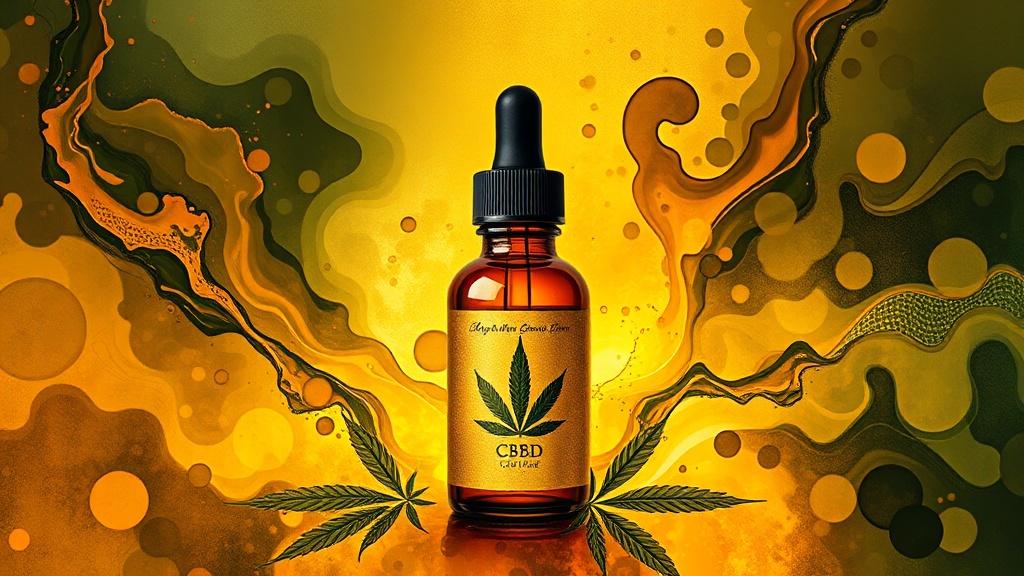
– Tinctures (sublingual): Placed under the tongue for relatively fast absorption and flexible dosing.
– Capsules and gummies: Convenient for consistent dosing, with slower onset due to digestion.
– Topicals: Lotions, balms, and transdermal patches for localized relief of soreness or inflammation.
– Vaping: Rapid onset, higher bioavailability, but carries respiratory risks; exercise caution and vet product quality.
Bioavailability and onset time vary by method: sublingual and inhalation act faster while edibles take longer but last longer.
Full-spectrum vs broad-spectrum vs isolate
– Full-spectrum contains CBD plus minor cannabinoids, terpenes, and trace THC, which can enhance effects through the “entourage effect.”
– Broad-spectrum includes multiple cannabinoids and terpenes but no detectable THC.
– Isolate contains only pure CBD.
Choice depends on personal sensitivity to THC, drug-testing concerns, and desired effect.
Choosing a high-quality product
– Third-party lab reports (Certificates of Analysis) are essential.
Look for tests verifying CBD potency, residual solvents, pesticides, heavy metals, and THC levels.
– Prefer CO2 extraction or reputable ethanol extraction methods for cleaner results.
– Check ingredient transparency: carrier oil (MCT, hemp seed oil), added terpenes, natural flavoring, and absence of fillers.
– Source matters: organic, U.S.-grown hemp or clearly documented farm practices reduce contamination risk.
– Know the legal THC limit in your area and buy products that comply with local laws.
Safety, side effects, and interactions
CBD is generally well tolerated, but some people experience drowsiness, dry mouth, diarrhea, or appetite changes.
CBD can affect liver enzymes and interact with medications metabolized by the cytochrome P450 system — especially blood thinners and certain anti-seizure drugs.
If you take prescription medications, are pregnant or nursing, or have liver disease, consult a healthcare provider before trying CBD.
Dosing guidance
There’s no universal dose. Start low and go slow: begin with a small amount, monitor effects over several days, and increase gradually until you reach the desired effect. Follow product dosing recommendations and discuss personalized dosing with a clinician if needed.
Regulation and claims
Regulation around CBD products varies by region. Avoid brands that make sweeping medical claims without evidence. Look for products marketed for general wellness and those that clearly present research-based information.
Practical tips
– Store CBD oil in a cool, dark place to preserve potency.
– If subject to drug testing, choose THC-free products and still proceed cautiously — contamination or mislabeled products can occur.
– Keep expectations realistic: CBD may help some conditions and people more than others.
CBD oil offers potential benefits for many users, but careful product selection, attention to safety, and informed dosing are key to getting the most out of it. If you’re uncertain, ask a healthcare professional who understands cannabinoid therapies for tailored guidance.