CBD oil remains one of the most talked-about natural wellness products. With growing consumer interest, understanding what CBD oil is, how it may help, and how to choose a safe product is essential.
What is CBD oil?
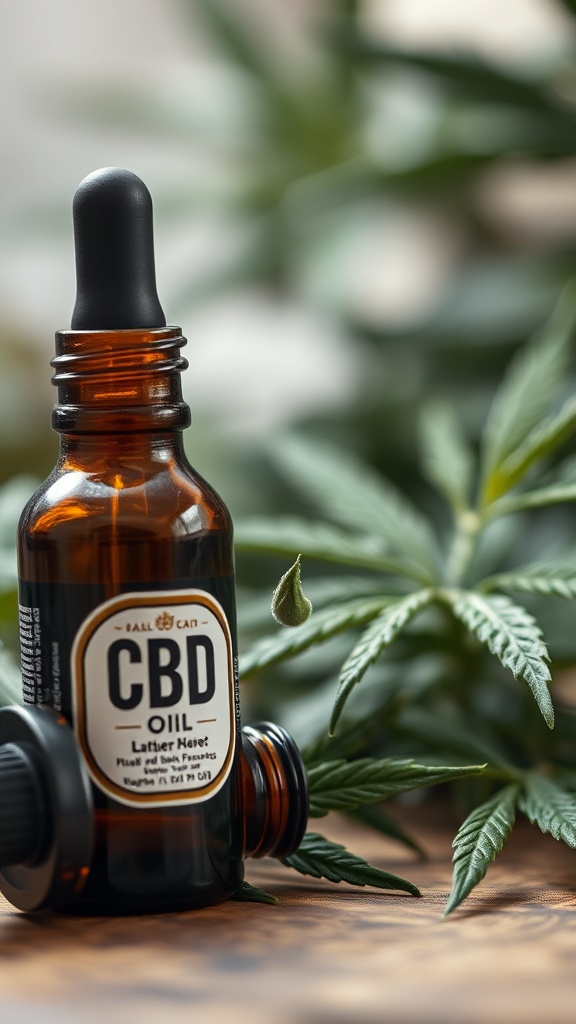
CBD (cannabidiol) is a non-intoxicating compound found in cannabis plants. Unlike THC, CBD doesn’t cause a “high.” CBD oil is made by extracting cannabidiol from hemp or cannabis and diluting it in a carrier oil such as MCT, hemp seed, or olive oil.
Products range from full-spectrum oils that include trace cannabinoids and terpenes to broad-spectrum and isolates that remove THC entirely.
How CBD works
CBD interacts with the endocannabinoid system, a network that helps regulate sleep, mood, appetite, immune response, and pain perception. CBD may modulate receptor activity and influence neurotransmitter release, which is why people report benefits across anxiety, sleep, pain, and inflammation. Scientific evidence varies by condition: evidence is strongest for certain seizure disorders where a prescription CBD medicine is authorized, while research into anxiety, chronic pain, and sleep is promising but still developing.
Potential benefits and limitations
– Anxiety and stress: Many users report reduced anxiety and improved stress management. Clinical studies show potential benefits, though results can be mixed depending on dose and formulation.
– Sleep: CBD may help some people fall asleep faster and experience better sleep quality, particularly when anxiety is a contributing factor.
– Pain and inflammation: Topical and oral CBD are commonly used for muscle and joint discomfort. Some studies suggest modest pain relief, but outcomes often depend on cause and dose.
– Neurological conditions: Prescription CBD has established efficacy for certain severe seizure disorders.
For other neurological conditions, evidence is emerging and under active investigation.
Safety, interactions, and dosing
CBD is generally well tolerated, but side effects can include drowsiness, dry mouth, gastrointestinal upset, and changes in appetite. CBD can interact with medications processed by liver enzymes (CYP450 family), potentially altering blood levels of drugs such as blood thinners, certain anti-seizure medications, and others. Always consult a healthcare professional before starting CBD, especially if taking prescription medications.
Start low, go slow is a useful approach: begin with a low dose and increase gradually until you find an effective level.
Dosing can vary widely by product potency, delivery method, and individual factors like body weight and metabolism.
Choosing a quality product
Quality varies dramatically across the market.
Use these buying checks:
– Third-party lab reports (COAs): Verify cannabinoid potency and ensure products are free from pesticides, heavy metals, solvents, and microbial contaminants.
– Extraction method: CO2 extraction is considered clean and efficient; solvent-based extraction should be clearly disclosed.
– Ingredient transparency: Look for full ingredient lists and carrier oil information.
– Product type: Decide between full-spectrum, broad-spectrum, or isolate depending on THC tolerance and legal considerations.
– Reputable brand practices: Brands that provide traceability, batch numbers, and customer service are more trustworthy.
Legality and regulation
Legal status and regulatory guidance vary by jurisdiction. Some regulators are actively reviewing how CBD is allowed in foods, supplements, and cosmetics, and enforcement actions can occur. Local laws should be checked before purchasing, and consumers should be cautious about unverified health claims.
Storage and usage tips
Store CBD oil in a cool, dark place and keep the bottle tightly sealed. For sublingual use, hold oil under the tongue for 30–60 seconds for better absorption. Topicals are best applied after gently cleaning the site.
CBD oil offers promising options for wellness, but careful product selection, realistic expectations, and professional guidance help ensure safe and effective use.