CBD oil remains one of the most talked-about natural supplements, with people exploring it for stress support, sleep, skin care, and everyday wellness.
Understanding what it is, how it works, and how to choose a high-quality product helps you get predictable results and avoid common pitfalls.
What is CBD oil?
CBD (cannabidiol) is a non-intoxicating compound found in hemp plants. When combined with a carrier oil (like MCT or hemp seed oil), it becomes “CBD oil” suitable for oral or topical use. Unlike THC, CBD does not produce a “high.” Many users report subtle mood and comfort benefits, and scientific research points to CBD’s interaction with the body’s endocannabinoid system, which helps regulate sleep, appetite, pain signaling, and mood.
Types of CBD products
– Full-spectrum: Contains CBD plus other cannabinoids, terpenes, and trace amounts of THC.
The combined components may produce an “entourage effect” that enhances overall efficacy.
– Broad-spectrum: Contains CBD and other hemp compounds but is typically THC-free.
– Isolate: Pure CBD with no other cannabinoids or terpenes.
Extraction and quality
CO2 extraction is widely regarded as the cleanest method, preserving cannabinoids and terpenes without residual solvents. Solvent-based extracts may be cheaper but can carry extraction residues if not thoroughly purified.
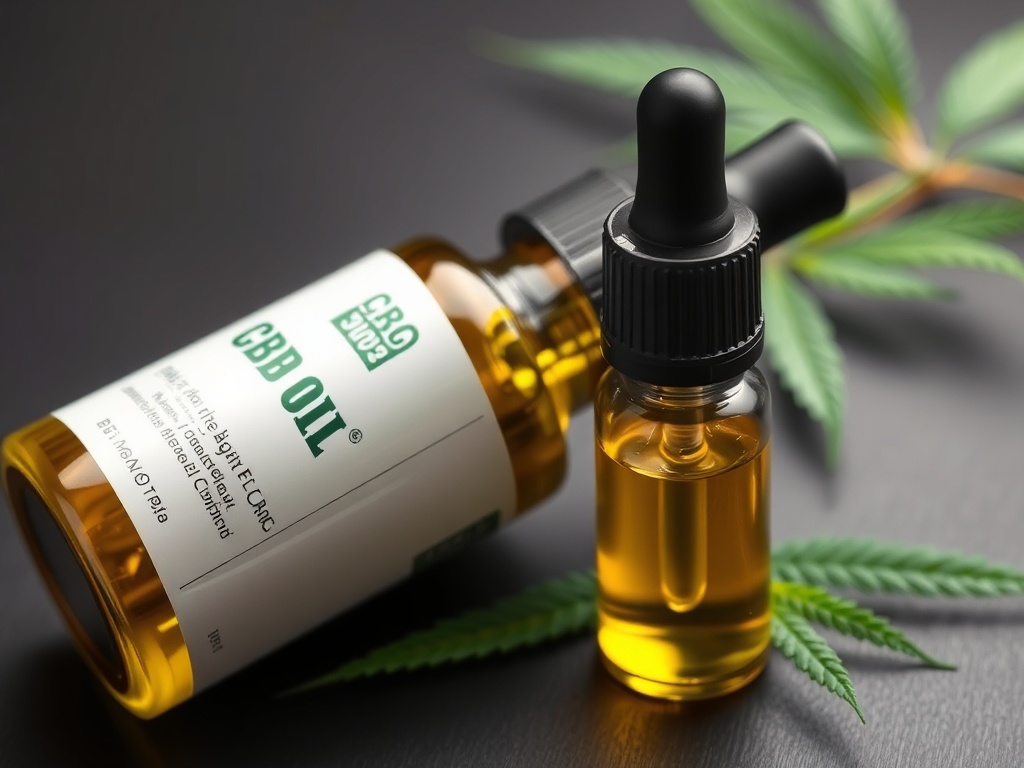
Always look for brands that publish third-party Certificates of Analysis (COAs) showing cannabinoid potency and contaminant testing for pesticides, heavy metals, and residual solvents.
How to choose CBD oil
– Check the COA: Confirm the CBD amount per serving and that tests were run by an independent lab.
– Know the potency: CBD is listed in milligrams (mg) per bottle and per serving.
Choose a potency that matches your usage goals—daily low-dose use differs from targeted higher-dose approaches.
– Consider carrier oil: MCT oil provides a neutral taste and may improve absorption; hemp seed oil retains natural flavor and nutrients.
– Transparency: Prefer brands that list extraction method, ingredient sourcing, and manufacturing practices.
How to use CBD oil
– Sublingual tinctures: Place under the tongue for faster absorption than swallowing; hold for 30–60 seconds before swallowing.
– Capsules and edibles: Convenient and discreet, but onset is slower due to digestion.
– Vaping: Offers rapid effect but carries respiratory considerations; choose high-quality vape products and use cautiously.
– Topicals: Lotions, balms, and serums target localized skin or muscle areas without systemic effects.
Dosage and expectations
Start low and go slow. Many people begin with a low daily dose and increase gradually until they find the right balance. Effects can be subtle and may require consistent use over several days to notice changes. Keep a simple log of dose, timing, and effects to fine-tune your routine.
Safety and interactions
CBD is generally well tolerated but can cause side effects such as dry mouth, drowsiness, changes in appetite, or digestive upset. CBD can interact with certain medications—especially those metabolized by liver enzymes such as cytochrome P450 (including some blood thinners and anticonvulsants).
Talk with a healthcare professional before starting CBD if you take prescription medications, are pregnant, breastfeeding, or have a serious medical condition.
Smart shopping tips
– Verify third-party lab tests for each product lot.
– Prefer full or broad-spectrum oils if you want more than isolated CBD.
– Avoid extravagant claims—no reputable brand will promise cures.
– Keep products in a cool, dark place to preserve potency.
CBD oil can be a useful addition to a wellness toolkit when chosen thoughtfully and used responsibly. Prioritize quality, transparency, and professional guidance to make the most of what CBD has to offer.