Cannabis: Practical Guidance for Safer Use, Better Results
Cannabis remains a widely discussed plant for both recreational and therapeutic use. Whether you’re curious about medical benefits, exploring consumption methods, or simply trying to use cannabis more safely, a clear, practical approach helps you get the most from the plant while minimizing risks.
Understanding the basics: THC vs CBD
Two cannabinoids dominate most conversations: THC (tetrahydrocannabinol) and CBD (cannabidiol).
THC is psychoactive and produces the high associated with cannabis. CBD is non-intoxicating and is commonly used for calming effects, inflammation, or sleep support. Most products combine both to varying degrees, and different ratios produce different experiences. Terpenes — aromatic compounds such as myrcene, limonene, and pinene — also influence effects and flavor.
Consumption methods and what to expect
– Smoking and vaping: Inhalation offers the fastest onset and easiest dose control. Smoking is traditional, while modern vaporizers heat plant material or concentrates to release cannabinoids with fewer combustion byproducts. Choose high-quality devices and avoid illicit or unregulated cartridges.
– Edibles: Effects are slower to begin and longer lasting because cannabinoids are metabolized by the liver.
Start with a low dose and wait sufficiently long before taking more to avoid an uncomfortable experience.
– Tinctures and sublinguals: Placed under the tongue, these can offer faster onset than edibles with more precise dosing.
– Topicals: Creams and balms deliver localized relief without psychoactive effects, making them popular for muscle or joint discomfort.
Dosing and safety: start low, go slow
Individual tolerance varies widely. Factors like body weight, metabolism, previous experience, and concurrent medications all matter. For inhalation, take small, measured puffs and wait to assess effects. For edibles, begin with a small dose and allow plenty of time before increasing. Avoid mixing cannabis with alcohol or sedatives, and never drive or operate heavy machinery while impaired.
Medical uses and evidence
Cannabis is used for symptom relief across many conditions, including chronic pain, nausea related to medical treatment, certain seizure disorders, and some sleep or anxiety issues. Research continues to evolve, and not every claim is backed by high-quality evidence.
Work with a healthcare professional to weigh potential benefits against risks and to integrate cannabis safely with other treatments.
Choosing quality products
Look for products with a certificate of analysis (COA) from an independent lab showing cannabinoid potency and contaminant testing (pesticides, heavy metals, solvents, molds). Clear labeling of cannabinoid content and batch information is a sign of a reputable producer. Avoid products with vague ingredient lists or no lab results.
Legal and responsible use
Laws and regulations vary widely. Check local rules around possession, purchase, and use. Respect public-use restrictions and workplace policies. For parents and pet owners, secure cannabis products out of reach and properly labeled to prevent accidental ingestion.
Storage and preservation
Store flower in an airtight container in a cool, dark place to preserve potency and terpene profile. Avoid excessive heat, light, and humidity. For edibles, follow package storage instructions to maintain freshness and safety.
Ongoing learning
Research and regulation are developing continually.
Stay informed through reputable sources, consult healthcare providers for medical questions, and choose products and practices that reflect safety, quality, and personal goals.
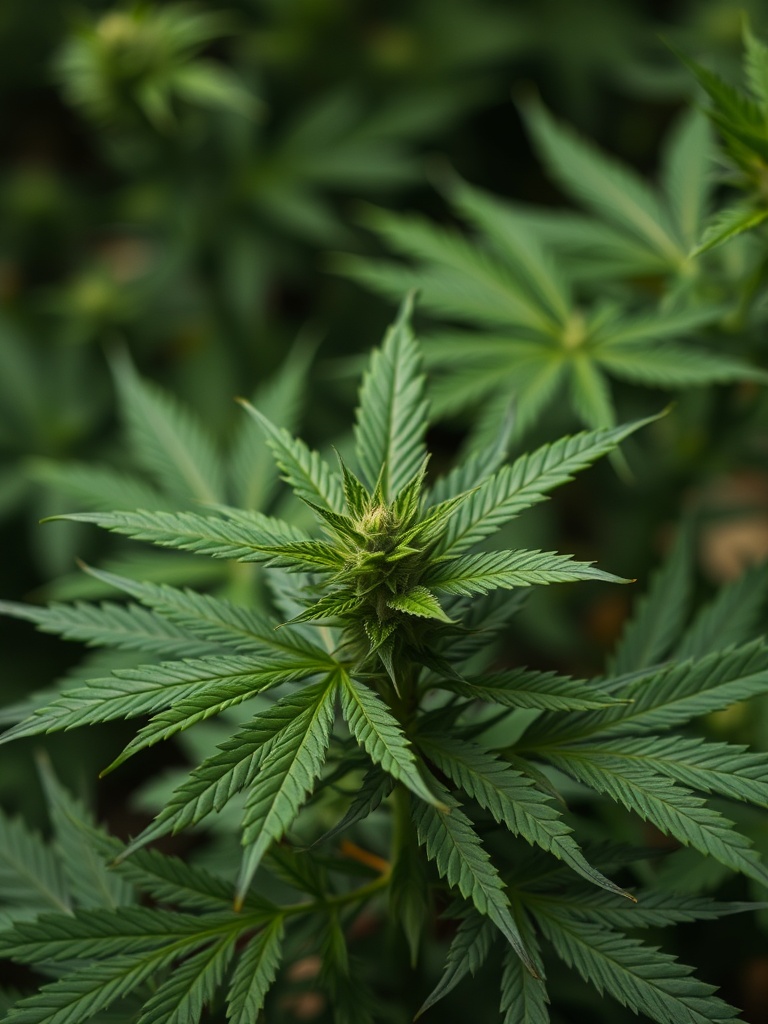
Thoughtful use improves outcomes and reduces the chance of unwanted effects.