CBD vs THC: What Every Consumer Should Know About Marijuana Products
Marijuana products continue to evolve, with more people exploring cannabis for relaxation, pain relief, and overall wellness. Two compounds dominate the conversation: THC and CBD. Understanding their differences, potential benefits, and safety considerations helps consumers make smarter choices.
What are THC and CBD?
– THC (tetrahydrocannabinol) is the psychoactive compound that produces the “high” commonly associated with marijuana.
– CBD (cannabidiol) does not produce a high and is often used for its calming and anti-inflammatory properties.
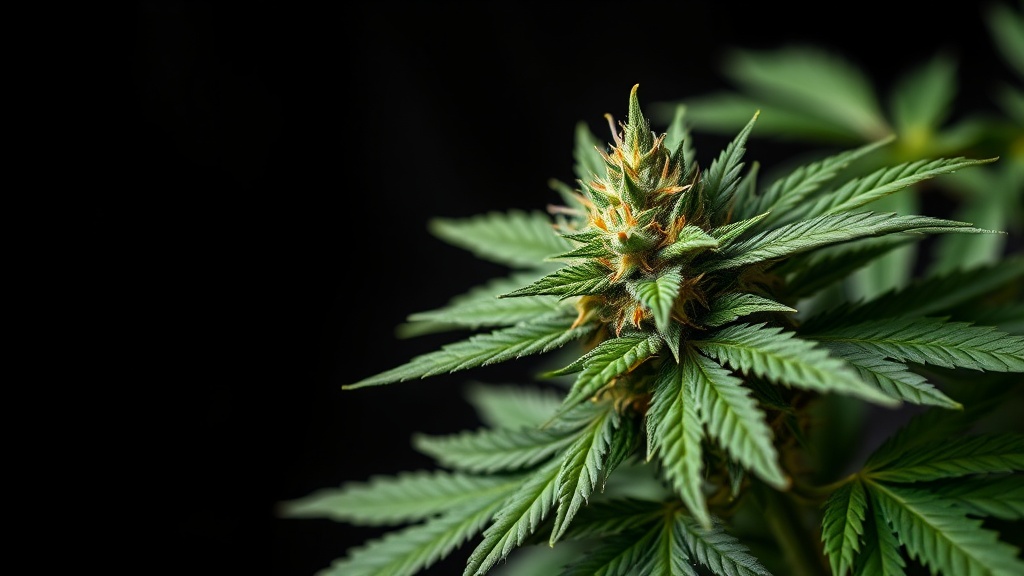
Both are cannabinoids that interact with the body’s endocannabinoid system, but they bind differently to receptors, creating distinct effects.
Common uses and benefits
– THC: often used for appetite stimulation, pain relief, sleep support, and certain medical conditions where psychoactive effects can be therapeutic.
– CBD: frequently chosen for anxiety reduction, mild pain relief, sleep improvement, and as a complement to other therapies without intoxicating effects.
Some people combine THC and CBD to enhance therapeutic outcomes; this is sometimes called the “entourage effect,” where multiple cannabis compounds work together.
Product types and how they differ
– Flower: smoked or vaporized; provides rapid onset and easy dose control for experienced users.
– Edibles: tasty and discreet, but slower onset and longer duration. Start low and go slow to avoid uncomfortable effects.
– Tinctures and oils: sublingual use allows for moderate onset and controlled dosing.
– Topicals: applied to skin for localized relief without systemic intoxication.
– Concentrates and vapes: potent and fast-acting; carry higher risk of overconsumption if inexperienced.
Safety and dosing tips
– Start low and titrate: especially with edibles and strong concentrates.
Beginners should consider low-milligram CBD products or minimal THC doses, then increase slowly.
– Understand onset and duration: inhalation acts within minutes and lasts a few hours, while edibles can take an hour or more to onset and last several hours.
– Avoid mixing with alcohol or sedatives: combining substances can amplify impairment and increase risks.
– Don’t drive or operate heavy machinery while impaired: impairment laws vary by location, and impairment can be dangerous even if legal.
Quality matters
– Look for third-party lab testing: Certificates of Analysis (COAs) confirm cannabinoid potency and screen for contaminants like pesticides, heavy metals, and residual solvents.
– Check labeling: clear cannabinoid content and dosing instructions reduce the chance of accidental overuse.
– Prefer reputable brands: transparent sourcing, clear product information, and customer reviews help identify trustworthy products.
Health considerations and interactions
– Cannabis can interact with prescriptions metabolized by certain liver enzymes (CYP450). Consult healthcare providers before combining cannabis with other medications.
– Individuals with a family history of psychosis, serious cardiovascular conditions, or pregnant/breastfeeding people should exercise caution and seek medical advice.
Legal and workplace considerations
Laws and workplace policies vary widely. Even where cannabis is legal, employers may enforce drug-free workplace rules or test for THC.
Know local regulations and company policies before using cannabis products.
A pragmatic approach
Whether exploring marijuana for wellness or recreation, prioritize informed choices: understand the differences between THC and CBD, choose tested products, start with low doses, and consult medical professionals when needed. This approach helps reduce risks while maximizing potential benefits.