Cannabis is evolving from a niche counterculture product into a mainstream wellness and recreational category.
Whether you’re curious about medicinal benefits, shopping for the right product, or exploring home cultivation, understanding how cannabis works and how to use it safely will help you get better results.
How cannabis works: cannabinoids and terpenes
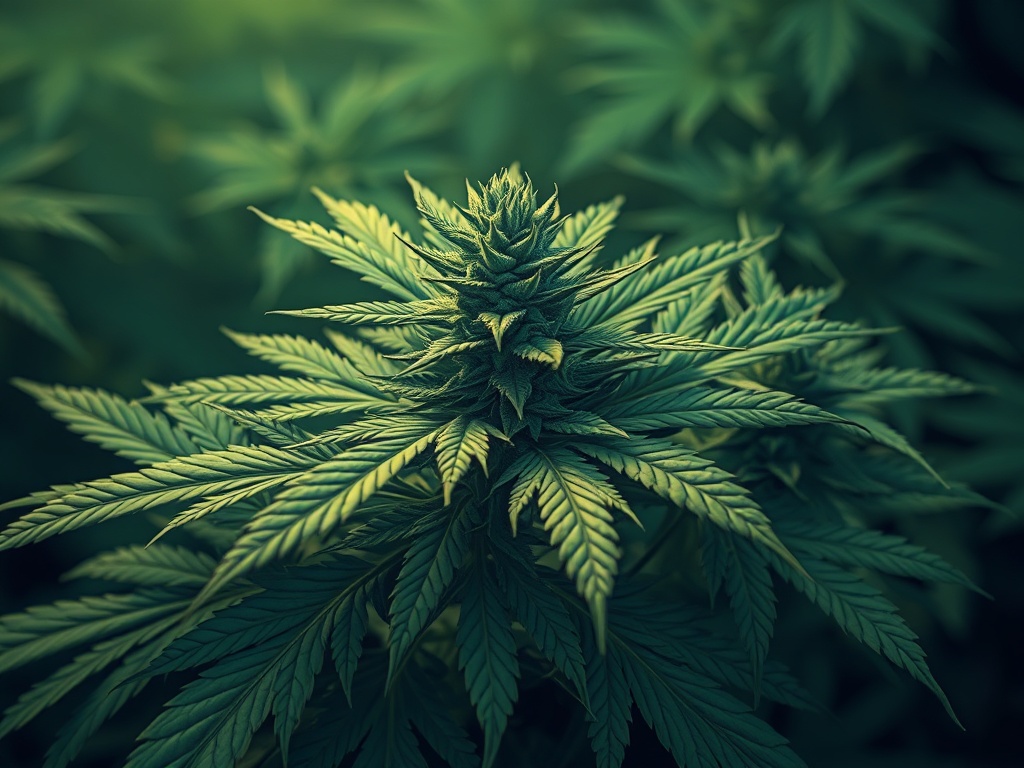
Cannabis contains hundreds of compounds, with cannabinoids like THC and CBD being the most discussed. THC is psychoactive and produces the familiar “high,” while CBD is non-intoxicating and sought for calming and anti-inflammatory effects. Terpenes — aromatic molecules found in the plant — influence flavor and may shape effects through the entourage effect, where cannabinoids and terpenes work together to modulate outcomes.
Choosing the right product
Start with a clear goal: symptom relief, relaxation, creativity, or social use.
For medical purposes or first-time users, CBD-dominant products or low-dose THC options are sensible. For recreational consumers, consider strains and product types:
– Flower (smokable): fast onset, easy to dose by starting small.
– Vapes: quick effects with less combustion byproducts, but choose tested cartridges.
– Edibles: long-lasting and stronger effects; begin with a low dose and wait at least two hours before redosing.
– Tinctures: sublingual or ingestible options offering moderate onset and precise dosing.
– Topicals: localized relief without systemic intoxication.
Dosing and microdosing
Microdosing — taking very small amounts to gain therapeutic benefits without noticeable intoxication — is increasingly popular. For edibles and tinctures, measure doses in milligrams of THC or CBD.
New users should start low and go slow: a small dose, then wait for the full effect before increasing. Keep a consumption log to track which doses and strains deliver the best results.
Safety and interactions
Cannabis can interact with prescription medications, especially those processed by liver enzymes. Discuss cannabis use with a healthcare provider if you’re on medications or have medical conditions.
Avoid driving or operating machinery while impaired. Store products securely and out of reach of children and pets — edibles are particularly attractive to animals.
Quality and testing
Buy from licensed retailers when possible. Look for third-party lab results (COAs) that confirm potency and screen for contaminants like pesticides, heavy metals, mold, and residual solvents.
Transparent labeling should include cannabinoid content, terpene profiles, and batch numbers.
Sustainable consumption and cultivation
Many consumers prioritize sustainably grown cannabis. Seek products labeled organic, pesticide-free, or grown using integrated pest management. For home growers, low-energy LED lights, proper ventilation, and soil health practices reduce environmental impact while improving plant quality.
Trends shaping the market
Product innovation continues to expand choices: precise-dose formats, hybrid cannabinoid products, and formulations designed for targeted effects. Consumers are also more savvy about terpene profiles and extraction methods, favoring full-spectrum extracts that retain a broader compound profile.
Practical tips for new users
– Start with a trusted retailer and ask for guidance.
– Choose clear, tested products with dosage info.
– Use a small dose and wait to evaluate effects, especially with edibles.
– Keep consumption private and store safely.
– Track effects and adjust choices based on experience.
Cannabis offers a broad range of experiences and benefits when used thoughtfully. Prioritizing quality, responsible dosing, and safety will help you make the most of what the plant has to offer.