Cannabis continues to shape conversations about medicine, culture, and commerce. Whether you’re curious about therapeutic benefits, navigating legal options, or exploring consumption methods, understanding the basics helps you make safer, smarter choices.
What cannabis is and how it works
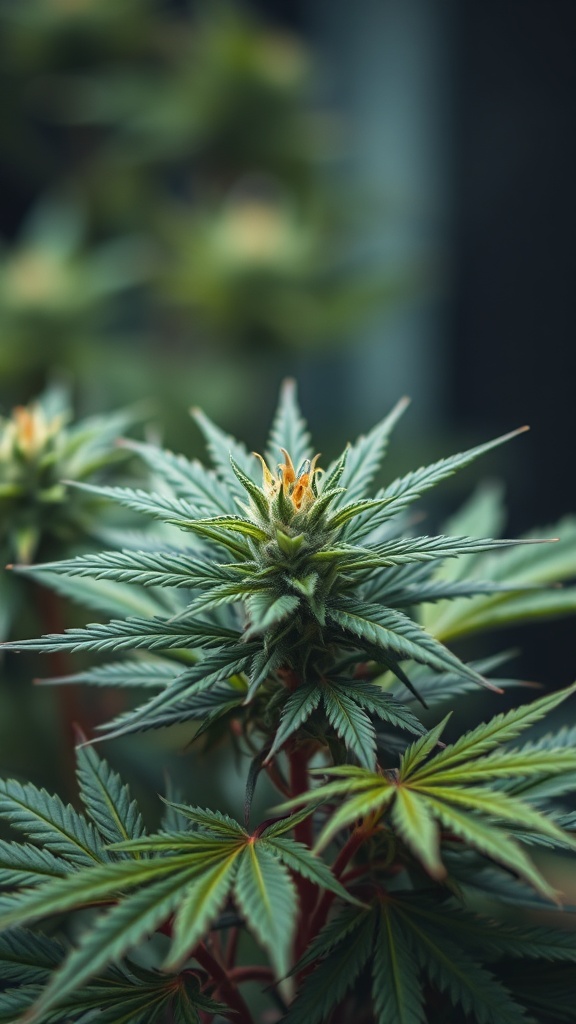
Cannabis is a plant family that produces dozens of active compounds called cannabinoids. The most talked-about are THC, responsible for psychoactive effects, and CBD, prized for potential therapeutic benefits without intoxication. Cannabinoids interact with the body’s endocannabinoid system, a network that helps regulate pain, mood, appetite, sleep, and immune responses.
Therapeutic uses and what the evidence says
Research shows promise for multiple conditions, though evidence strength varies. CBD has documented effectiveness for certain seizure disorders and is being studied for anxiety, chronic pain, and sleep. THC can relieve nausea, stimulate appetite, and reduce some types of pain, and it’s often used in combination with CBD for symptom relief. High-quality clinical trials remain limited, and outcomes can differ widely by dose, formulation, and individual biology.
Forms of consumption and practical differences
– Inhalation (smoking, vaping): Fast onset—effects are felt within minutes—making dosing easier to titrate. Risks include respiratory irritation and, with poor-quality vaping products, contamination.
– Edibles: Delayed onset and longer duration. Start with a low dose and wait at least two hours before taking more to avoid overconsumption.
– Tinctures and oils (sublingual): Quicker than edibles and easier to dose precisely. Often used for steady symptom control.
– Topicals: Applied to the skin for localized relief of pain or inflammation without systemic intoxication.
– Capsules and isolates: Provide predictable dosing, useful for consistent daily use.
Safety tips and common pitfalls
Start low and go slow: Especially important for THC-containing products. Microdosing can help reduce unwanted side effects like paranoia or drowsiness.
Know interactions: Cannabis compounds can interact with medications—especially blood thinners, sedatives, and certain antidepressants. Consult a healthcare provider before combining treatments.
Avoid driving or operating machinery while impaired.
Effects can last longer than expected, particularly with edibles.
Protect vulnerable groups: Avoid use during pregnancy or adolescence unless under strict medical guidance.
Source matters: Purchase from reputable suppliers that provide third-party lab results to confirm cannabinoid content and screen for contaminants like pesticides, solvents, or heavy metals.
Legal and marketplace realities
Legal status and regulation vary widely by location. Some areas allow medical and recreational use under regulated markets; others restrict cannabis to medical settings or maintain prohibition.
Hemp-derived products are often treated differently under the law, but regulations and quality standards can still vary. Always check local rules before buying, possessing, or traveling with cannabis products.
Staying informed and making choices
If you’re considering cannabis for health reasons, discuss it with a clinician who understands both pharmacology and local regulations. Keep records of strains, doses, and timing to track what works.
Pay attention to product labels, lab certificates, and manufacturing practices to minimize risk.
Cannabis offers potential benefits for many people, but it’s not one-size-fits-all.
With careful sourcing, responsible dosing, and professional guidance, you can explore options that align with your health goals and lifestyle.