Understanding Cannabis: Uses, Safety, and Smart Choices
Cannabis continues to draw interest for its therapeutic potential, diverse consumption options, and evolving legal status.
Whether you’re exploring cannabis for symptom relief, recreational enjoyment, or creative curiosity, a clear grasp of science, safety, and product selection helps ensure better outcomes.
How cannabis works
Cannabis compounds interact with the endocannabinoid system, a widespread network of receptors that help regulate mood, sleep, appetite, pain, and immune response.
THC is the primary psychoactive compound responsible for intoxication, while CBD is non-intoxicating and studied for anti-inflammatory and calming effects. Beyond these, a complex array of minor cannabinoids and terpenes influence effects through what’s often called the entourage effect.
Choosing the right product
Start by defining your goal: pain relief, sleep support, anxiety reduction, or social recreation. For symptom management, lab-tested medical or adult-use products from reputable suppliers provide predictable potency and contaminant screening. New users often benefit from high-CBD or balanced CBD:THC formulations to reduce unwanted intoxication. Experienced users may prefer strains or concentrates with targeted terpene profiles—myrcene for relaxation, limonene for uplift, pinene for focus, and linalool for calm—though individual responses vary.
Consumption methods and considerations
– Inhalation (smoking or vaporizing): Fast onset and easy dose titration make inhalation common for acute symptom relief. Vaporizing at appropriate temperatures preserves terpenes and minimizes combustion byproducts. Avoid unregulated cartridges and counterfeit hardware.
– Edibles and tinctures: These offer longer-lasting effects but slower onset, so practice patience and start with low doses.
Edibles require careful dosing because liver metabolism can intensify THC effects.
– Sublingual and topical: Tinctures under the tongue deliver relatively fast systemic absorption, while topicals target localized relief without psychoactive effects for most users.
– Concentrates: High-potency products demand careful dosing and experience; they can produce intense, long-lasting effects.
Dosing and microdosing
A cautious approach is essential: “start low, go slow.” Microdosing—using very small amounts of THC to achieve subtle benefits without intoxication—has grown popular among those seeking productivity or symptom relief without impairment. Keep dosing journals to track product, amount, onset, and effects. For edibles, wait sufficiently long before taking more to avoid accidental overconsumption.
Safety and interactions
Quality control matters. Choose products with third-party lab results that confirm cannabinoid content and screen for pesticides, heavy metals, and residual solvents. If you take prescription medications, consult a healthcare professional—CBD and some cannabinoids can interact with liver enzymes that alter drug metabolism. Avoid operating machinery or driving while impaired. Store products securely away from children and pets; accidental ingestion can be serious.
Storage and shelf life
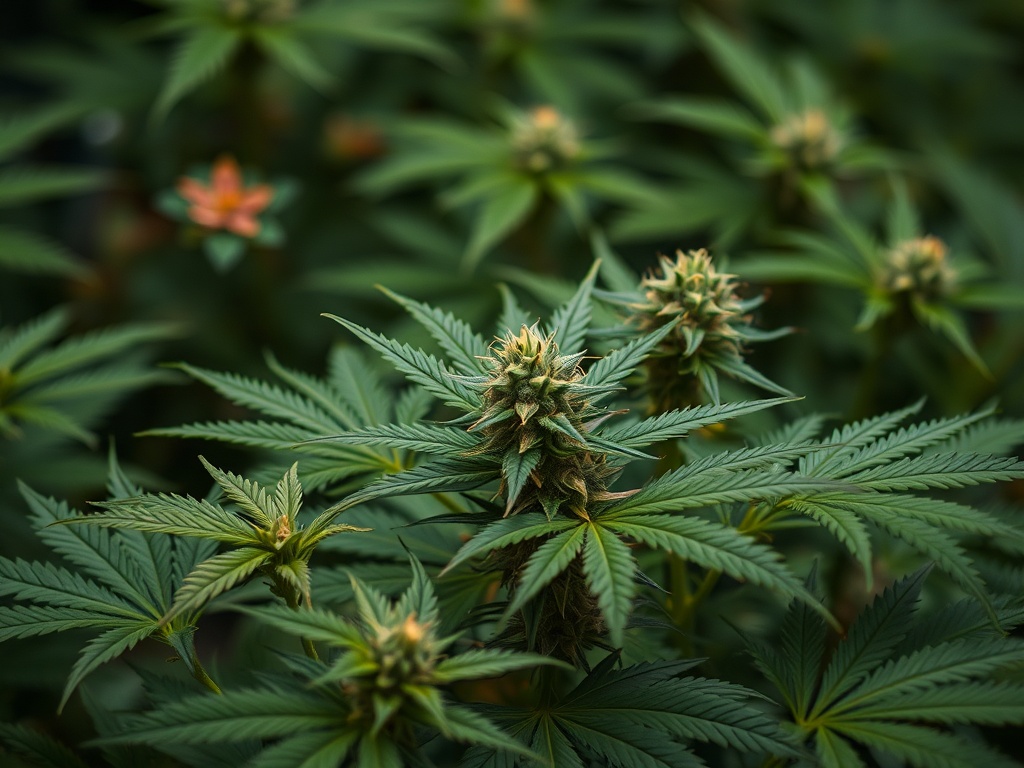
Keep cannabis in a cool, dark, dry place in airtight containers to preserve potency and flavor.
Light, heat, and oxygen degrade cannabinoids and terpenes over time. For long-term storage, refrigeration helps but avoid moisture that could encourage mold.
Navigating the legal landscape
Regulatory frameworks vary by location and continue to evolve. Stay informed about local rules governing possession, purchase, and consumption. When in doubt, follow local guidance and stick to regulated sources.
Final thoughts
Cannabis offers a wide spectrum of experiences and potential benefits, but thoughtful selection, responsible dosing, and attention to safety are essential. For medical concerns or when combining cannabis with other treatments, seek guidance from an informed healthcare provider. With careful choices, many people find that cannabis can be a useful, manageable part of their wellness toolkit.