Cannabis: Uses, Safety, and How to Make Informed Choices
Cannabis is rapidly evolving from a niche interest into a mainstream part of wellness, medicine, and lifestyle.
Whether you’re curious about therapeutic benefits, recreational options, or responsible use, understanding cannabinoids, consumption methods, and safety best practices will help you make informed choices.
What cannabis does and how it works
Cannabis contains dozens of cannabinoids; the most familiar are THC (psychoactive) and CBD (non-intoxicating). These compounds interact with the body’s endocannabinoid system, which helps regulate mood, appetite, sleep, inflammation, and pain. Different cannabinoid profiles and terpene combinations produce distinct effects, so two strains or products can feel very different even at the same potency.
Medical vs recreational use
Medical cannabis is often used for chronic pain, nausea related to treatment, certain neurological conditions, and anxiety. Recreational use focuses on the psychoactive effects of THC and the social or creative experiences it can provide. Many people combine both motivations by choosing products with balanced THC:CBD ratios to reduce intoxication while retaining therapeutic effects.
Consumption methods and what to expect
– Smoking/flower: Fast onset and easy dose titration; lung health considerations apply.
– Vaping: Rapid onset with lower smoke exposure when using quality devices; cartridge sourcing and device maintenance are important.
– Edibles: Delayed onset and longer-lasting effects; dosing unpredictability is a common issue. Start with a low dose and wait several hours before redosing.
– Tinctures/sublinguals: Faster onset than edibles, easier to measure, discrete.
– Topicals: Localized relief for pain and inflammation without systemic intoxication.
Dosing guidelines and safety
A practical rule is “start low and go slow.” Microdosing (very low doses of THC) can deliver therapeutic benefits while minimizing impairment. Keep in mind individual factors—body chemistry, tolerance, medications, and mental health—greatly influence response. If combining cannabis with other substances, be cautious and consult healthcare providers when possible. Never mix cannabis with alcohol or sedatives if you need to remain alert.
Quality, testing, and labeling
Reliable lab testing reduces risks related to potency mislabeling, pesticides, heavy metals, and residual solvents. Look for products with clear cannabinoid content, third-party lab results, and transparent sourcing notes.
Avoid unregulated products from unknown suppliers—especially if using vaping cartridges or concentrates.
Legal and workplace considerations
Cannabis laws and workplace policies vary by location and employer. Possession, purchase, and permissible use may differ depending on local regulations. Employment drug policies can include zero-tolerance testing or restrictions on off-duty use. Know the rules that apply to where you live and work before purchasing or consuming.
Responsible use and storage
Store cannabis securely and out of reach of children and pets.
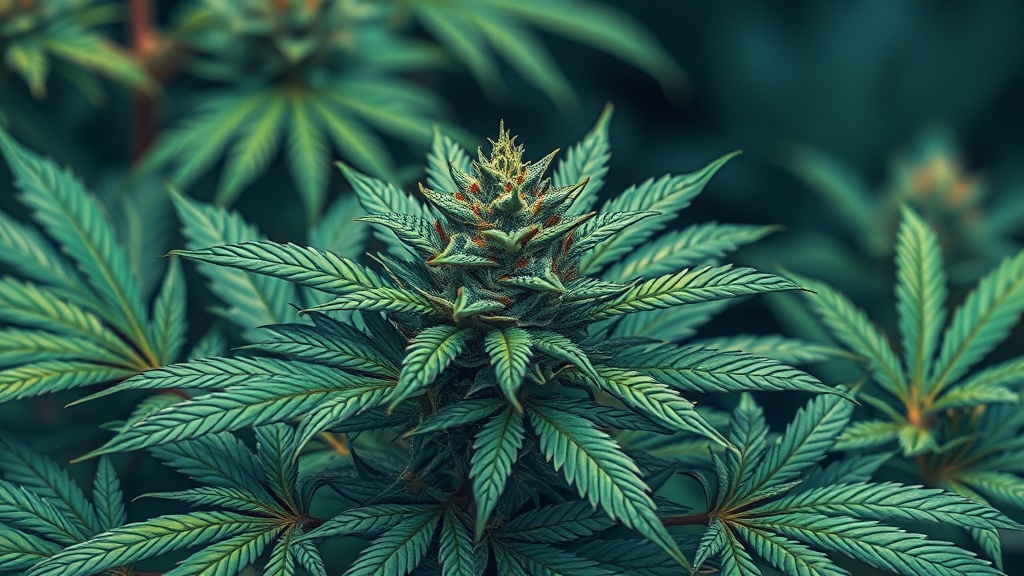
Keep products in their original packaging with dosing information. If using for medical reasons, track effects and side effects so you can adjust strains or dosages with guidance from a clinician.
Key takeaways
– Know the differences between THC and CBD and choose products aligned with your goals.
– Use reputable, lab-tested products and stick to clear dosing practices.
– Prioritize safety: don’t drive under the influence, avoid mixing substances, and store securely.
Being informed helps you enjoy benefits while minimizing risks. Seek guidance from healthcare professionals for medical conditions and stay aware of local legal considerations.