CBD oil has moved from niche wellness circles into mainstream conversation as people look for natural ways to support sleep, stress management, and chronic discomfort. Understanding what CBD oil is, how it works, and how to choose a quality product helps separate hype from helpful options.
What CBD oil is and how it works
CBD (cannabidiol) is a non-intoxicating compound found in cannabis plants. Unlike THC, CBD does not cause a “high.” It interacts with the body’s endocannabinoid system, which helps regulate mood, pain, immune response, and sleep. Research shows CBD can influence receptors and enzymes involved in these processes, which may explain why users report benefits for anxiety, sleep, pain, and inflammation. Evidence is strongest for certain medical uses, and research is ongoing for broader applications.
Types of CBD oil
– Full-spectrum: Contains CBD plus other cannabinoids, terpenes, and trace amounts of THC (often capped at low levels in many jurisdictions). Users often prefer full-spectrum for the “entourage effect,” where compounds may work synergistically.
– Broad-spectrum: Similar to full-spectrum but with THC removed.
– Isolate: Pure CBD with no other cannabinoids or terpenes. Good for those who want CBD only.
Extraction and quality
Look for CO2-extracted products or high-quality ethanol extracts; these methods preserve cannabinoids and reduce solvent residues. Key indicators of a reputable product:
– Third-party lab results (Certificate of Analysis) that confirm potency and screen for pesticides, heavy metals, and solvents.
– Clear labeling with CBD content per serving and total product volume.
– Transparent sourcing—hemp grown under regulated agricultural standards is preferable.
How to use CBD oil
Delivery method affects speed and duration:
– Sublingual tinctures: Placed under the tongue for faster absorption than swallowing, useful for anxiety and sleep support.
– Capsules and edibles: Convenient and consistent dosing but slower onset.
– Topicals: Creams and balms for localized muscle or joint discomfort; they typically don’t enter systemic circulation.
– Vaping: Rapid onset but carries respiratory risks; consider carefully.
Dosing and safety
Start low and go slow—begin with a small dose and increase gradually while monitoring effects. Typical starting ranges are modest; effective doses vary widely based on individual factors like body weight, metabolism, and the condition being addressed. Watch for side effects such as drowsiness, dry mouth, gastrointestinal upset, or changes in appetite. CBD can interact with medications metabolized by liver enzymes (notably those in the cytochrome P450 family), so check with a healthcare provider before combining CBD with prescription drugs. Avoid use during pregnancy or breastfeeding unless advised by a clinician.
Legal and regulatory landscape
Legal status varies by country and region. Many places regulate hemp-derived CBD differently from cannabis-derived CBD with higher THC content. Product regulation is still evolving, so consumer due diligence—checking COAs, brand reputation, and local laws—is important.
Choosing the right product
– Verify third-party testing and read the COA.
– Prefer full ingredient lists and clear dosing instructions.
– Choose reputable brands that disclose hemp source and extraction method.
– Consider formulations with supporting cannabinoids and terpenes if seeking broader effects.
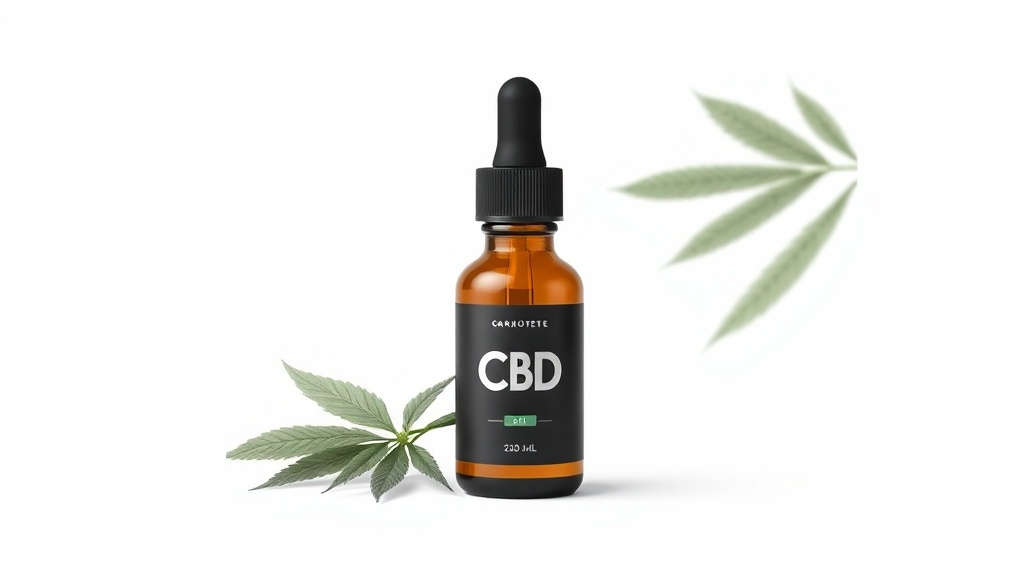
CBD oil can be a practical option for some people seeking to support sleep, stress, or mild pain. Careful product selection, conservative dosing, and consultation with a healthcare provider when taking other medications will help maximize benefits while minimizing risks.