CBD oil has become a mainstream wellness product, but separating marketing hype from useful information is essential when choosing and using it.
Here’s a practical, evidence-aware guide to what CBD oil does, how to pick a quality product, and how to use it safely.
What CBD oil is
CBD (cannabidiol) is a non-intoxicating compound found in hemp. Unlike THC, CBD does not produce a “high.” CBD oil typically combines a hemp extract rich in CBD with a carrier oil such as MCT oil or hemp seed oil.
Products vary widely in concentration, extraction method, and formulation.
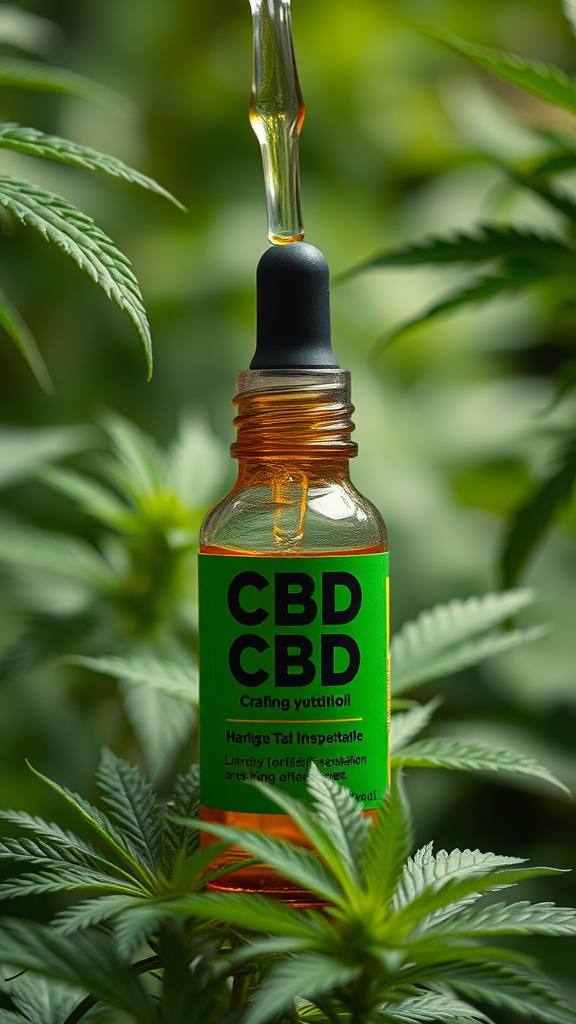
Types of CBD products
– Full-spectrum: Contains CBD plus other naturally occurring hemp compounds, including trace amounts of THC (usually up to the legal limit of 0.3% in many jurisdictions). Some users report an “entourage effect” when multiple cannabinoids and terpenes are present.
– Broad-spectrum: Contains multiple cannabinoids and terpenes but is processed to remove THC.
– CBD isolate: Pure CBD with no other cannabinoids or terpenes.
How quality is determined
Not all CBD is created equal. Key quality indicators:
– Third-party lab testing: Look for a Certificate of Analysis (COA) that verifies CBD potency and tests for contaminants (pesticides, heavy metals, residual solvents, microbial contamination).
– Extraction method: Supercritical CO2 extraction is widely regarded as clean and efficient. Ethanol extraction can be high-quality when performed properly.
Avoid products that do not disclose extraction methods.
– Hemp source: Reputable brands disclose where their hemp is grown and whether it’s grown to organic standards. Hemp can bioaccumulate toxins, so source matters.
– Transparent labeling: Milligrams of CBD per serving and per bottle should be clearly stated. Batch numbers and expiration dates are signs of a trustworthy product.
Potential benefits and evidence
Research suggests CBD may help with certain symptoms such as stress-related tension, sleep disruption, and some pain conditions. There is also a prescription CBD-based medication approved by regulatory authorities for specific seizure disorders, showing CBD’s therapeutic potential under medical supervision. Evidence varies by condition and formulation; many claims remain under investigation. Avoid products that promise to cure serious diseases.
Safety and interactions
CBD is generally well tolerated, but side effects can include drowsiness, digestive upset, and changes in appetite or mood. CBD can interact with medications metabolized by liver enzymes (CYP450). This is particularly relevant for blood thinners, certain antidepressants, and other prescription drugs. Consult a healthcare professional before combining CBD with other medications and before use during pregnancy or breastfeeding.
How to use CBD oil
– Start low, go slow: Begin with a small dose and increase gradually while monitoring effects. Exact dosing is individual and depends on product potency and personal factors.
– Administration methods: Sublingual drops, capsules, edibles, topical creams, and inhalation each have different onset times and durations. Sublingual use typically offers faster absorption than edibles.
– Storage: Keep CBD oil in a cool, dark place to preserve potency; refrigerate some formulations if recommended by the manufacturer.
Buying checklist
– Verify a recent COA from an independent lab.
– Confirm CBD concentration and serving size.
– Check hemp source and extraction method.
– Avoid products with outrageous health claims or unclear ingredient lists.
When chosen and used thoughtfully, CBD oil can be a useful part of a wellness routine. Talk with a healthcare provider to determine whether it’s appropriate for your situation and to develop a safe approach.