CBD oil continues to attract attention for its potential wellness uses, but separating hype from helpful information matters when choosing a product and incorporating it into your routine. Here’s a practical, up-to-date guide to what CBD oil is, how it’s used, and how to pick a high-quality product.
What CBD oil is
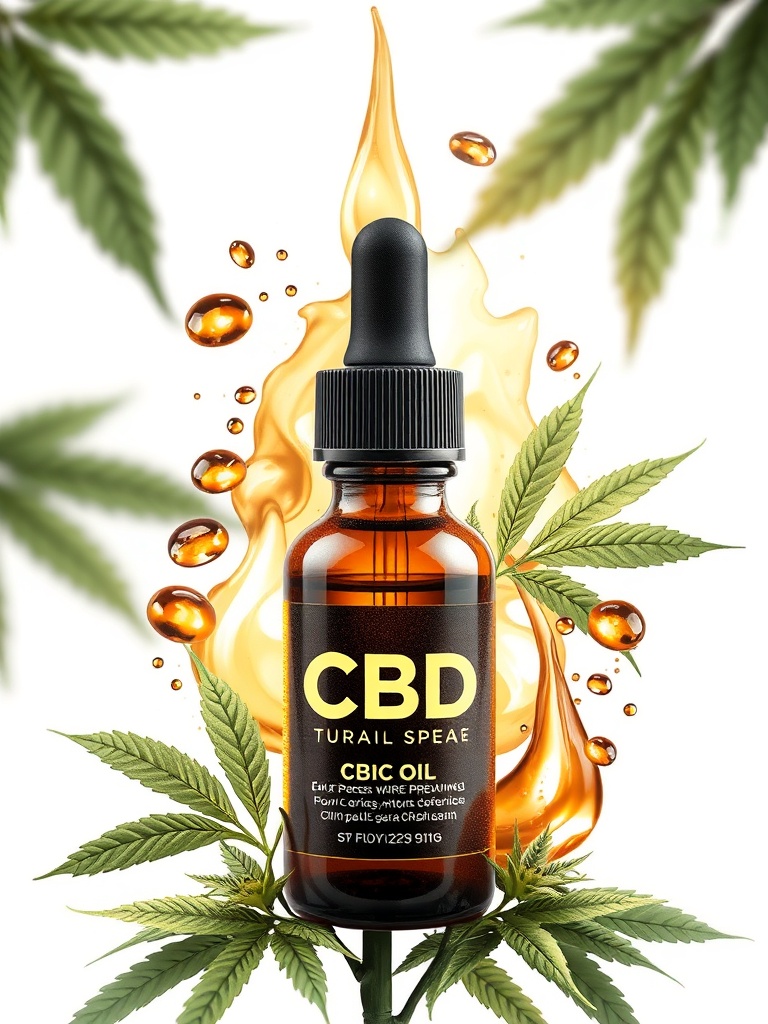
CBD (cannabidiol) is a non-intoxicating compound found in hemp plants. CBD oil typically combines a hemp extract with a carrier oil such as MCT (coconut) or hemp seed oil. Unlike THC, CBD does not produce a “high,” and many people use it for symptoms like stress, sleeplessness, or minor pain—though scientific support varies by condition.
Types of CBD products
– Full-spectrum: contains CBD plus other plant compounds, including trace THC and terpenes, which can produce an “entourage effect.”
– Broad-spectrum: includes multiple cannabinoids and terpenes but is processed to remove THC.
– Isolate: pure CBD with no other cannabinoids or terpenes.
How to use CBD
Effects and timing depend on the product form:
– Sublingual tinctures: placed under the tongue for faster absorption, usually felt within minutes to an hour.
– Capsules and edibles: slower onset but longer-lasting effects.
– Vaping/inhalation: rapid onset with short duration; not suitable for everyone.
– Topicals: creams and balms applied to the skin for localized relief, without systemic effects.
Dosing basics
Start low and go slow.
Begin with a small dose—often just a few milligrams—and gradually increase until you notice the desired effect. Keep a simple journal of dose, timing, and outcomes to find the sweet spot. Because responses vary by body weight, metabolism, and product potency, individualized adjustments are common.
Safety, side effects, and interactions
CBD is generally well tolerated, but possible side effects include drowsiness, dry mouth, digestive upset, and occasional dizziness.
CBD can interact with medications that rely on certain liver enzymes for metabolism (the same pathway affected by grapefruit). Consult a healthcare professional before combining CBD with prescription drugs, especially blood thinners, seizure medications, or some antidepressants.
Quality matters
Because the market is still maturing, product quality varies widely. Look for:
– Third-party lab reports (Certificates of Analysis) that confirm cannabinoid content and screen for contaminants like pesticides, heavy metals, and residual solvents.
– Clear labeling about CBD concentration per serving and recommended dosing.
– Extraction method: CO2 extraction is preferred for purity; avoid products that list harsh solvent extraction without testing.
– Transparent sourcing: hemp grown under good agricultural practices is less likely to contain contaminants.
Regulatory and marketing notes
Regulatory frameworks differ by region, so legality and permissible claims vary. Be skeptical of products promising miracle cures or making overt medical claims—reputable brands will be cautious and provide evidence-backed information without overpromising.
Storage and shelf life
Store CBD oil in a cool, dark place in a tightly sealed container to preserve potency.
Avoid prolonged exposure to heat, light, and air.
Choosing a brand
Prioritize transparency: clear COAs, straightforward ingredient lists, and responsive customer service. Reviews and retailer reputation help, but lab reports are the strongest indicator of product reliability.
CBD can be a useful tool for some people when chosen and used thoughtfully.
For personalized guidance—especially if you take other medications—seek advice from a healthcare professional familiar with cannabinoid therapies.