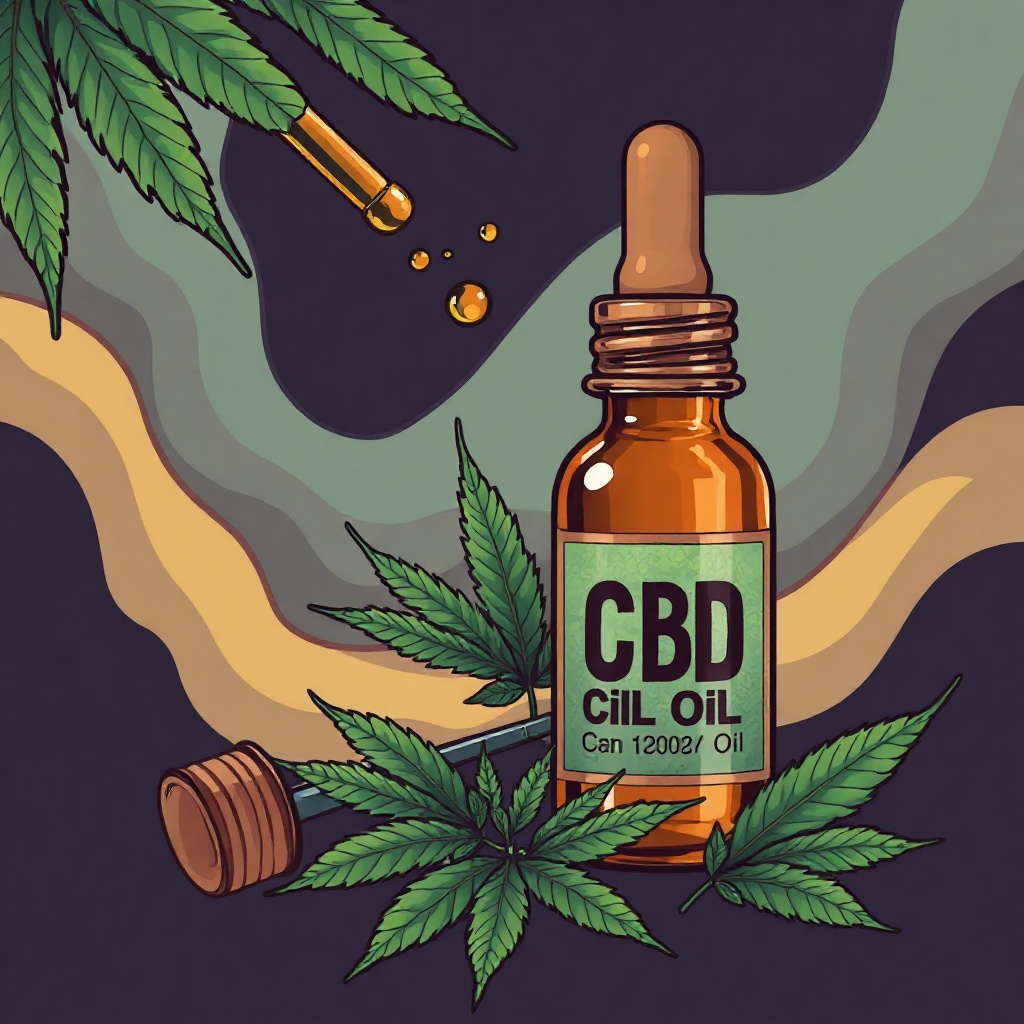
CBD oil has moved from niche supplement to mainstream wellness product, but separating hype from helpful information is essential for safe, effective use. Understanding what CBD oil is, how it works, and how to choose a quality product helps you make smarter decisions for sleep, stress, pain, or daily balance.
What is CBD oil?
CBD (cannabidiol) is a non-intoxicating compound found in hemp plants. CBD oil typically combines a hemp extract with a carrier oil such as MCT (fractionated coconut) oil or hemp seed oil. Products vary by cannabinoid profile: full-spectrum contains CBD plus small amounts of other cannabinoids and trace THC, broad-spectrum contains multiple cannabinoids but no detectable THC, and CBD isolate is pure CBD.
How it may work
CBD interacts with the endocannabinoid system, a network involved in regulating mood, sleep, pain, and immune response. Research and user reports suggest benefits for anxiety, sleep quality, and mild chronic pain, though responses vary and high-quality clinical evidence is still evolving. One FDA-approved prescription CBD product exists for specific seizure disorders, which underscores both therapeutic potential and the importance of medical oversight for serious conditions.
Choosing a quality product
Not all CBD oils are equal. Look for:
– Third-party lab testing (Certificates of Analysis or COAs) confirming cannabinoid content and absence of contaminants like pesticides, heavy metals, and residual solvents.
– Clear labeling of CBD amount per serving and bottle size so you can calculate dosage.
– Named extraction method: CO2 extraction is widely regarded as producing cleaner, fuller-spectrum extracts compared with solvent-based methods.
– Ingredient transparency: avoid products with unnecessary additives, artificial flavors, or undisclosed proprietary blends.
– Type of product: decide between full-spectrum (possible entourage benefits but trace THC), broad-spectrum (no THC but multiple cannabinoids), or isolate (no other cannabinoids).
Forms and bioavailability
– Tinctures/sublingual drops: placing oil under the tongue allows faster absorption than swallowing and offers flexible dosing.
– Capsules and edibles: convenient and discreet but have lower bioavailability and slower onset due to digestion.
– Vapes: fast-acting with high bioavailability but carry respiratory risks; avoid if you have lung conditions.
– Topicals: applied directly to skin for localized relief of soreness or inflammation; systemic absorption is limited.
– Nanoemulsified or water-soluble formulas claim faster absorption; research on real-world benefits is growing but mixed.
Dosing and safety
Start low and go slow.
Begin with a small dose and gradually increase until you notice desired effects. Keep a dosing log to track effects and side effects. Common mild side effects include drowsiness, dry mouth, and changes in appetite. CBD can interact with medications metabolized by liver enzymes (CYP450), including certain blood thinners, so consult a healthcare provider before combining CBD with prescription drugs.
Avoid use during pregnancy or breastfeeding and keep products out of reach of children and pets.
Storage and shelf life
Store CBD oil in a cool, dark place to preserve potency. Tinctures in dark glass bottles last longer when kept away from heat and sunlight.
Final guidance
When used thoughtfully, CBD oil can be a useful tool in a wellness toolkit.
Prioritize reputable brands, verify lab results, monitor effects carefully, and discuss use with a medical professional when you have underlying health conditions or take other medications.
This approach helps maximize benefits while minimizing risks.