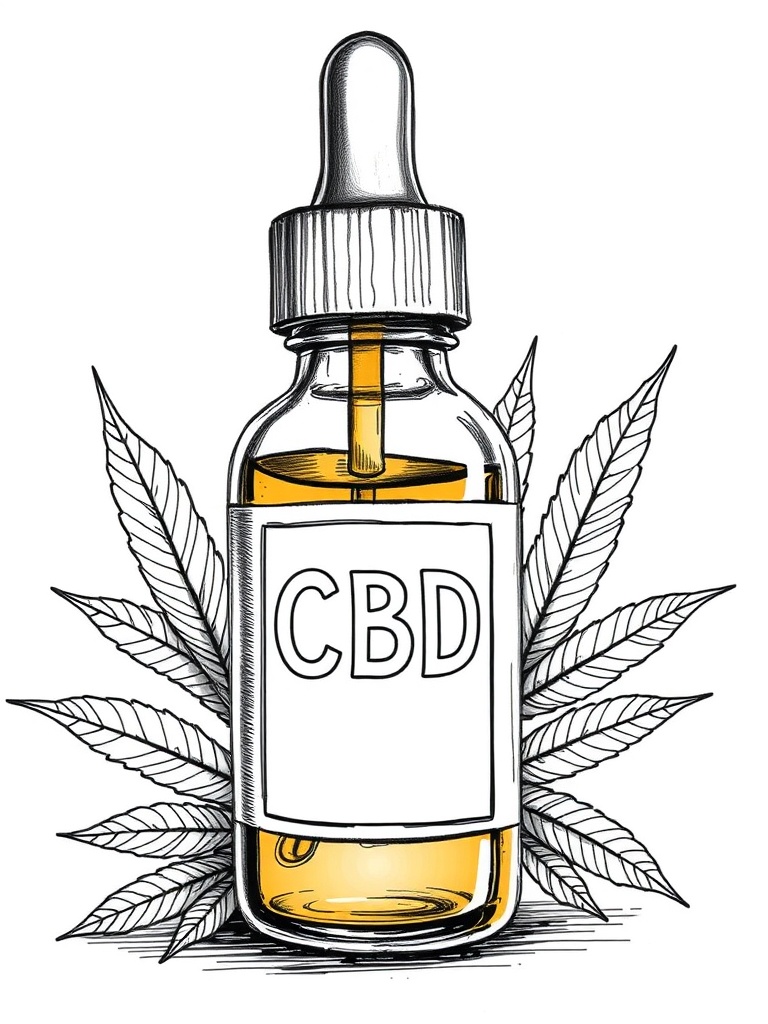
CBD oil has become a mainstream wellness product, sold at health stores, pharmacies, and online. With growing consumer interest, understanding what CBD oil actually does, how to choose a quality product, and how to use it safely is essential.
What CBD oil is and how it works
CBD (cannabidiol) is a non-intoxicating compound found in hemp and cannabis plants. It interacts with the body’s endocannabinoid system, which helps regulate sleep, mood, pain, and immune response. Unlike THC, CBD does not produce a “high” at typical doses. The science supports certain medical uses: a prescription CBD medication is approved by regulators for specific, treatment-resistant seizure disorders. Evidence for other uses—anxiety, chronic pain, sleep difficulties, and inflammation—is promising but still developing, with mixed results across studies.
Choosing the right product
Quality varies widely across brands. Look for these markers when shopping:
– Full-spectrum vs broad-spectrum vs isolate: Full-spectrum products contain trace amounts of other cannabinoids and terpenes, which may enhance effects through the “entourage effect.” Broad-spectrum removes THC while retaining other compounds.
Isolates are pure CBD.
– Third-party lab testing: Certificates of Analysis (COAs) should confirm CBD potency and test for pesticides, heavy metals, solvents, and residual THC. Reputable brands publish COAs or provide them on request.
– Extraction method: Supercritical CO2 extraction is the gold standard because it yields clean, contaminant-free oil. Avoid products that use unknown solvent processes.
– Ingredients and carrier oil: Common carriers are MCT oil, hemp seed oil, or olive oil. Check for unnecessary additives, artificial flavors, or excessive sweeteners.
How to take CBD
Delivery method affects onset and bioavailability:
– Sublingual tinctures: Placed under the tongue, they absorb relatively quickly and allow for flexible dosing.
– Capsules and edibles: Convenient and discreet, but slower to take effect due to digestion.
– Vaping: Provides rapid absorption but carries respiratory risks; quality and safety of vape products vary.
– Topicals: Lotions, balms, and transdermal patches target localized discomfort and skin conditions without producing systemic effects.
Dosing: start low, go slow
Because individual response varies, begin with a low dose and increase gradually while tracking effects. Many users start with a small dose once or twice daily and adjust based on symptom relief and tolerance.
Discuss specific dosing with a healthcare provider, especially for children, pregnant or breastfeeding people, or anyone with serious medical conditions.
Safety and interactions
CBD is generally well tolerated but can cause side effects such as drowsiness, dry mouth, gastrointestinal upset, and changes in appetite. Importantly, CBD can interact with several prescription medications by affecting liver enzymes (CYP450 system). This interaction can alter blood levels of drugs like blood thinners and certain antidepressants. Always tell a healthcare professional about CBD use before starting or stopping any medications.
Legal considerations
Legal status varies by country and region, often hinging on THC content and whether the CBD is derived from hemp or marijuana.
Local regulations also govern product labeling and marketing claims.
Verify the rules where you live before buying or gifting CBD products.
Final tips
Prioritize quality over price, inspect COAs, choose the delivery method that matches desired effects, and discuss use with a healthcare provider when taking other medications. With careful selection and responsible use, CBD oil can be a valuable part of a holistic wellness routine.