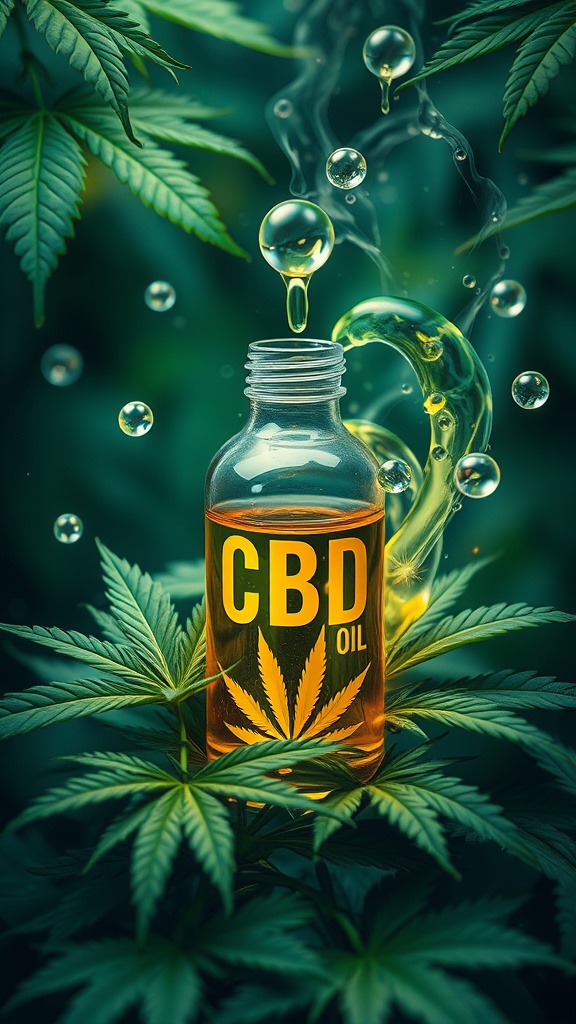
What is CBD oil?
CBD oil is a plant-derived extract made from hemp.
Unlike THC, the compound that produces a psychoactive high, CBD does not cause intoxication at typical doses. Consumers use CBD oil for a range of reasons—from managing occasional stress and improving sleep quality to targeting localized discomfort and supporting overall wellness.
Types of CBD oil
– Full-spectrum: Contains CBD plus minor cannabinoids, terpenes, and trace THC.
The “entourage effect” theory suggests these compounds may work together to enhance benefits.
– Broad-spectrum: Includes multiple cannabinoids and terpenes but has been processed to remove THC.
– Isolate: Pure cannabidiol with no other cannabinoids or terpenes.
Extraction and formulation
CO2 extraction is widely regarded as a clean, efficient method that preserves cannabinoids and terpenes. Solvent-based extraction can be effective but requires strict quality controls to ensure no residual solvents remain. Formulations vary: tinctures for sublingual use, capsules for consistent dosing, and topicals for targeted application.
Potential benefits and what evidence shows
Research into CBD is active and growing. Clinical evidence is strongest for certain seizure disorders, where a prescription CBD medication is available.
For other uses—such as sleep support, stress reduction, and easing occasional muscle soreness—many users report positive effects, though high-quality clinical trials are still emerging. Expect responsible vendors to avoid grand medical claims; solid products highlight research and encourage consultation with healthcare professionals.
How to use CBD oil and dosing tips
– Start low and go slow: Begin with a small dose and increase gradually while monitoring effects.
– Choose administration by goal: Sublingual tinctures deliver faster effects than capsules, while topicals act locally on aches and sore spots without entering systemic circulation.
– Be consistent: Regular use over days to weeks often provides clearer feedback on effectiveness than one-off trials.
Safety, side effects, and interactions
Common side effects include drowsiness, dry mouth, mild digestive upset, and changes in appetite. CBD can interact with medications metabolized by liver enzymes (CYP450), including certain blood thinners, antidepressants, and anticonvulsants.
People who are pregnant, breastfeeding, or have significant liver disease should avoid CBD unless supervised by a healthcare provider. Always discuss CBD use with a clinician if you take prescription medications.
How to pick a quality product
– Third-party lab testing: Look for a Certificate of Analysis (COA) that confirms cannabinoid potency and screens for pesticides, heavy metals, and residual solvents.
– Transparent labeling: Clear information about total CBD per bottle and per serving, extraction method, and ingredient list matters.
– Source material: Hemp grown under regulated conditions and traceable supply chains tends to produce cleaner extracts.
– Dose options and serving sizes: Products should clearly state milligrams of CBD per serving to help with dosing.
Storage and shelf life
Store CBD oil in a cool, dark place away from heat and direct sunlight. Properly stored, oil-based CBD products maintain potency for several months; always follow the manufacturer’s storage recommendations and check the COA if available.
Final considerations
CBD oil offers a versatile set of options for people exploring plant-based wellness. Because the market includes wide variability in product quality and claims, prioritize reputable brands, demand lab testing, and consult a healthcare professional when combining CBD with other medications or when managing a chronic condition. Thoughtful selection and measured use can help maximize potential benefits while minimizing risks.